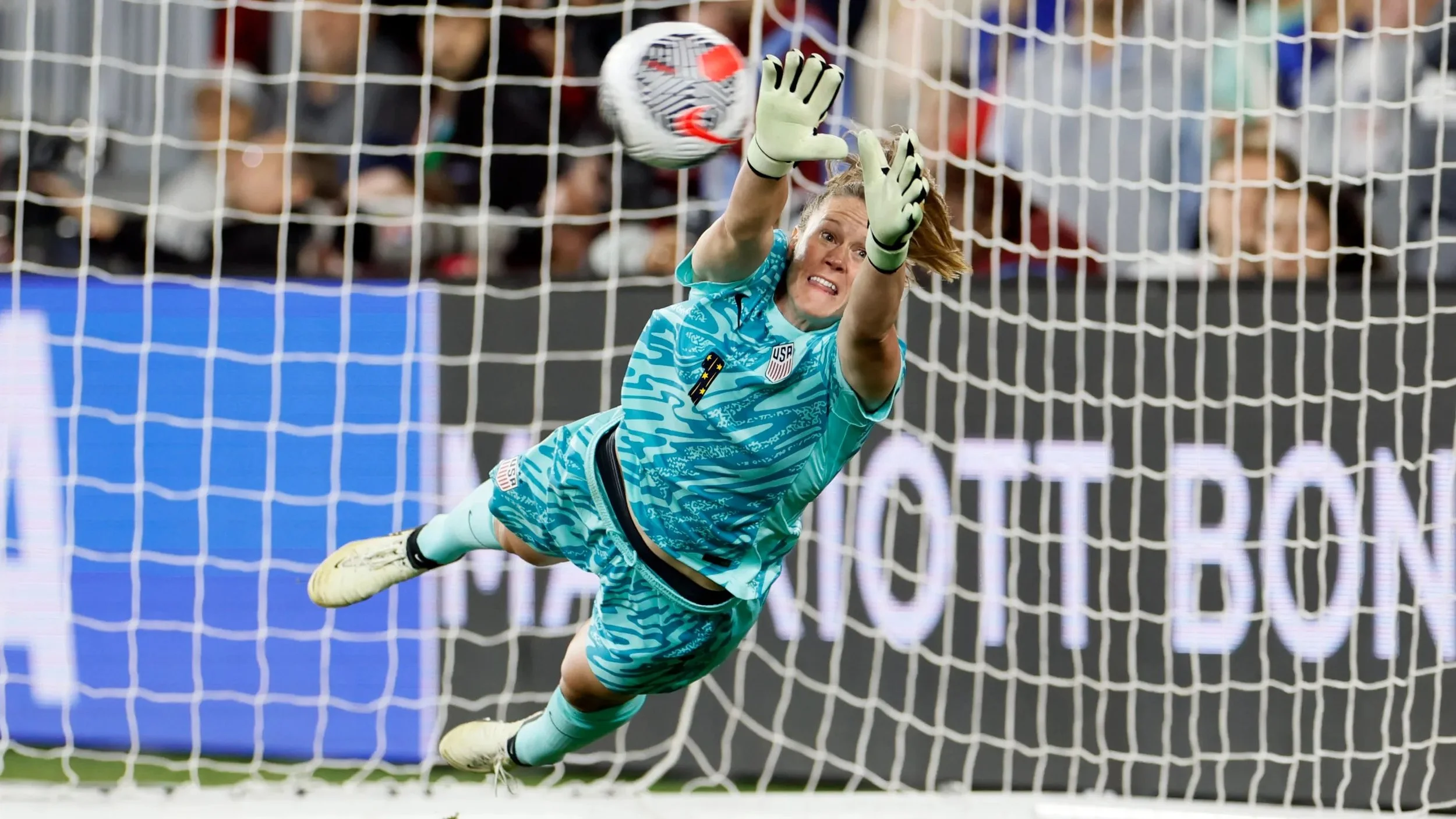
Top 100 American Goalkeepers (USMNT Depth Chart)

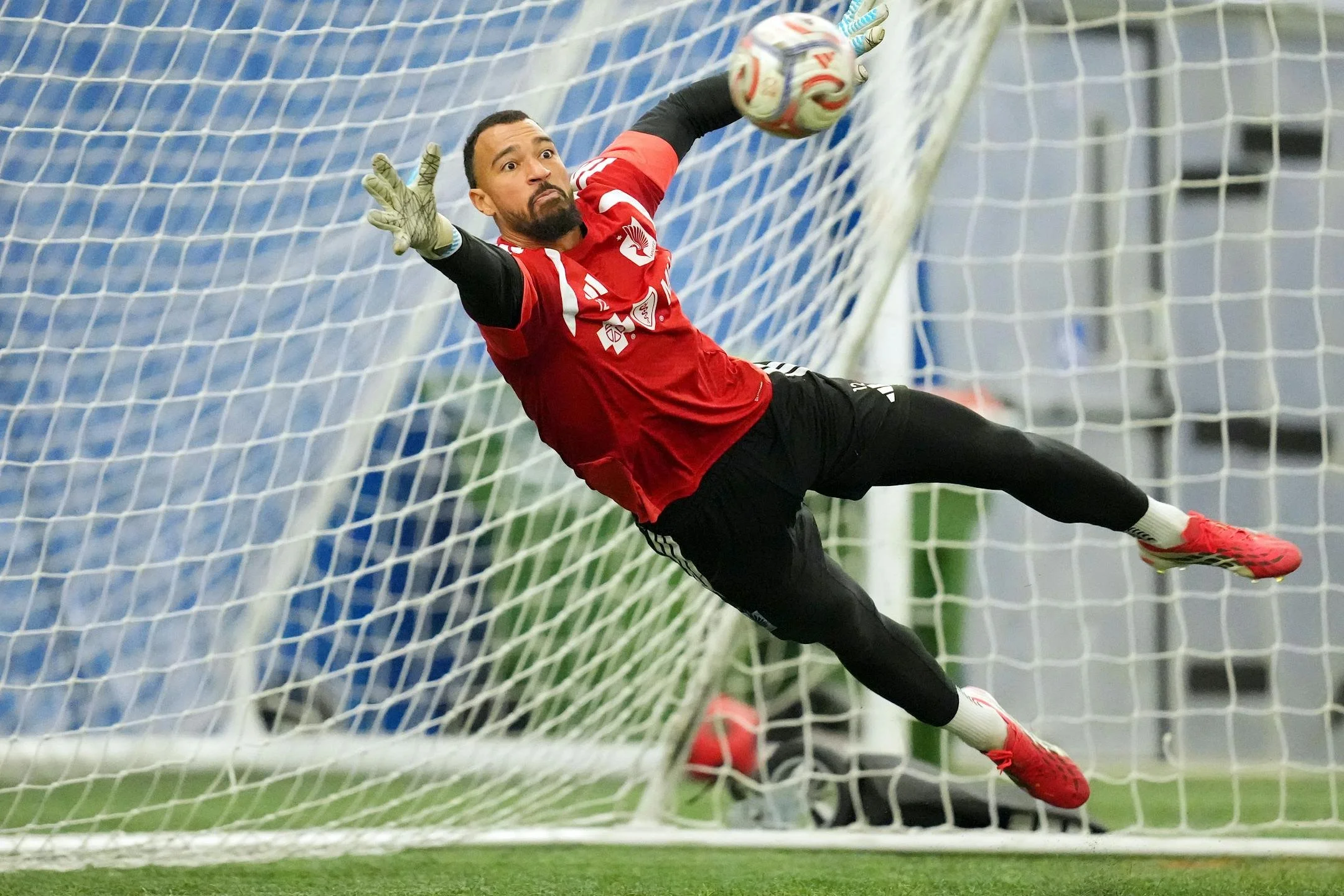
Cover photo Maor Alexelsi.

After over a decade of updates, the top 100 returns once again with this spring’s lineup. Each goalkeeper is ranked by a number of factors: historical individual results, current individual level of play, and projected on-field performance. The Everybody Soccer top 100 removes exterior noise from various media outlets, past accolades, and team statistics to isolate the goalkeeper’s current level of play in ranking the goalkeepers in order of who would give the US the best chance to win a hypothetical knockout game tomorrow. To see how the top 100 rankings have evolved since July 2013, click here.

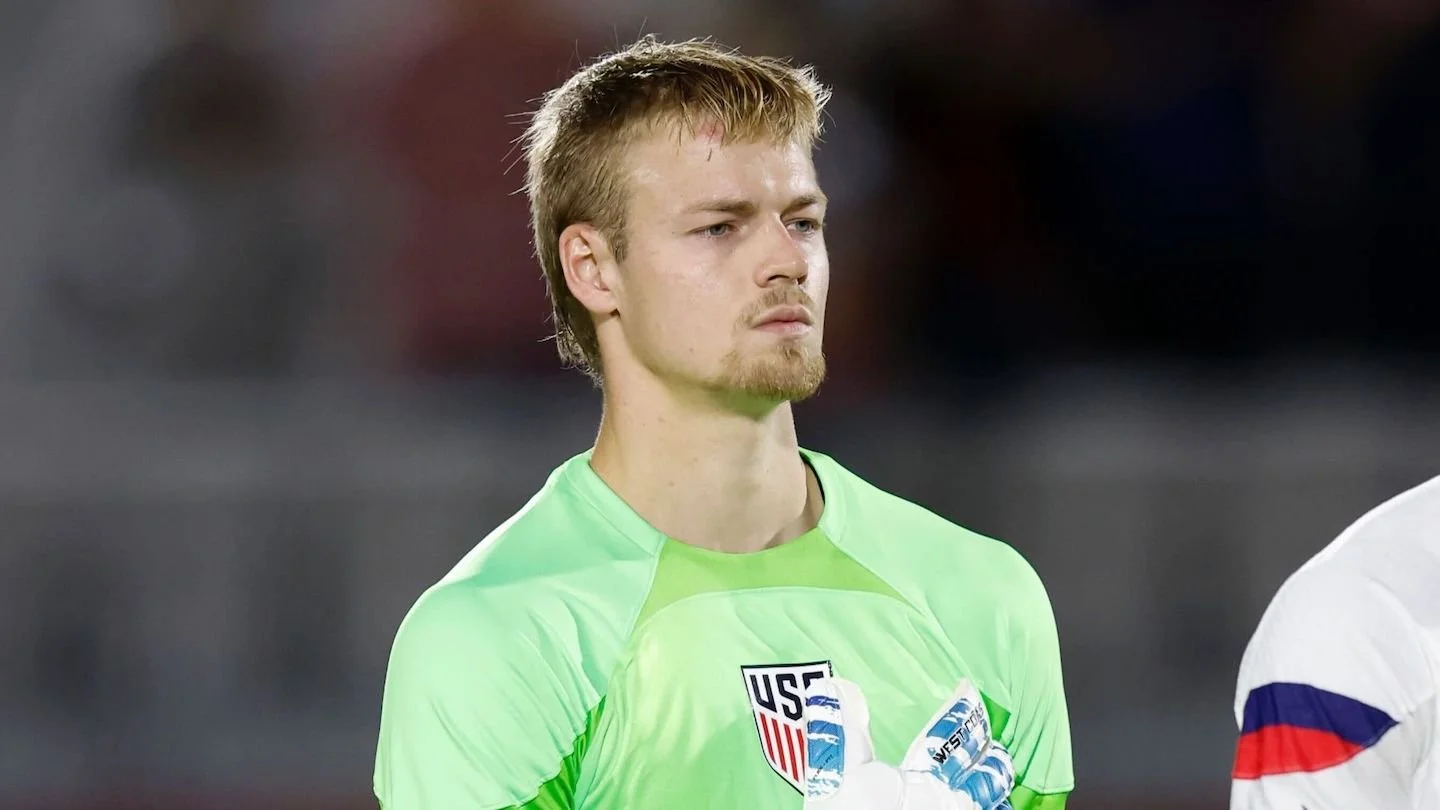
1. Chris Brady

Admittedly, it’s hard to put any goalkeeper at the number one slot for the US at the moment as the goalkeeping department has dipped to its lowest point since the 1980’s. Brady is awarded top billing largely for a combination of his big-time save ability and, unfortunately, every other goalkeeper continuing to have nervy moments or struggle to simply keep the ball out of the net. Considering that the US will be the underdog to any top soccer nation, they need a reliable goalkeeper to limit mistakes while making the big-time save in the knockout rounds that past American goalkeepers are known for. Simply having a goalkeeper that’s good in possession won’t be enough to beat the Belgians of the world (see 2014).

Long after being in Slonina’s shadow, Brady’s decision to carve his pathway in MLS is paying off as 2025 saw Brady surpass Slonina in career shutouts and games played. Chicago Fire’s goalkeeper coach, Zach Thornton, seemingly has given Brady a massive green light to play how he wants, not instilling hard guidelines on how he has to play every situation. The upside allows Brady to lean on his intuition and showcase his ability to make saves that few Americans can pull off. The downside is that some odd approaches can arise in Brady’s game, as shown in the 2026 opener for the Fire with an odd rebound and awkward attempt on the second save.

Understandably Brady’s window to prove himself as the number one will likely be after this World Cup, leaving fans to likely grind their teeth and tense their shoulders through the summer tournament, hoping whoever the number one for the USMNT can simply limit mistakes and not cost the team the game.

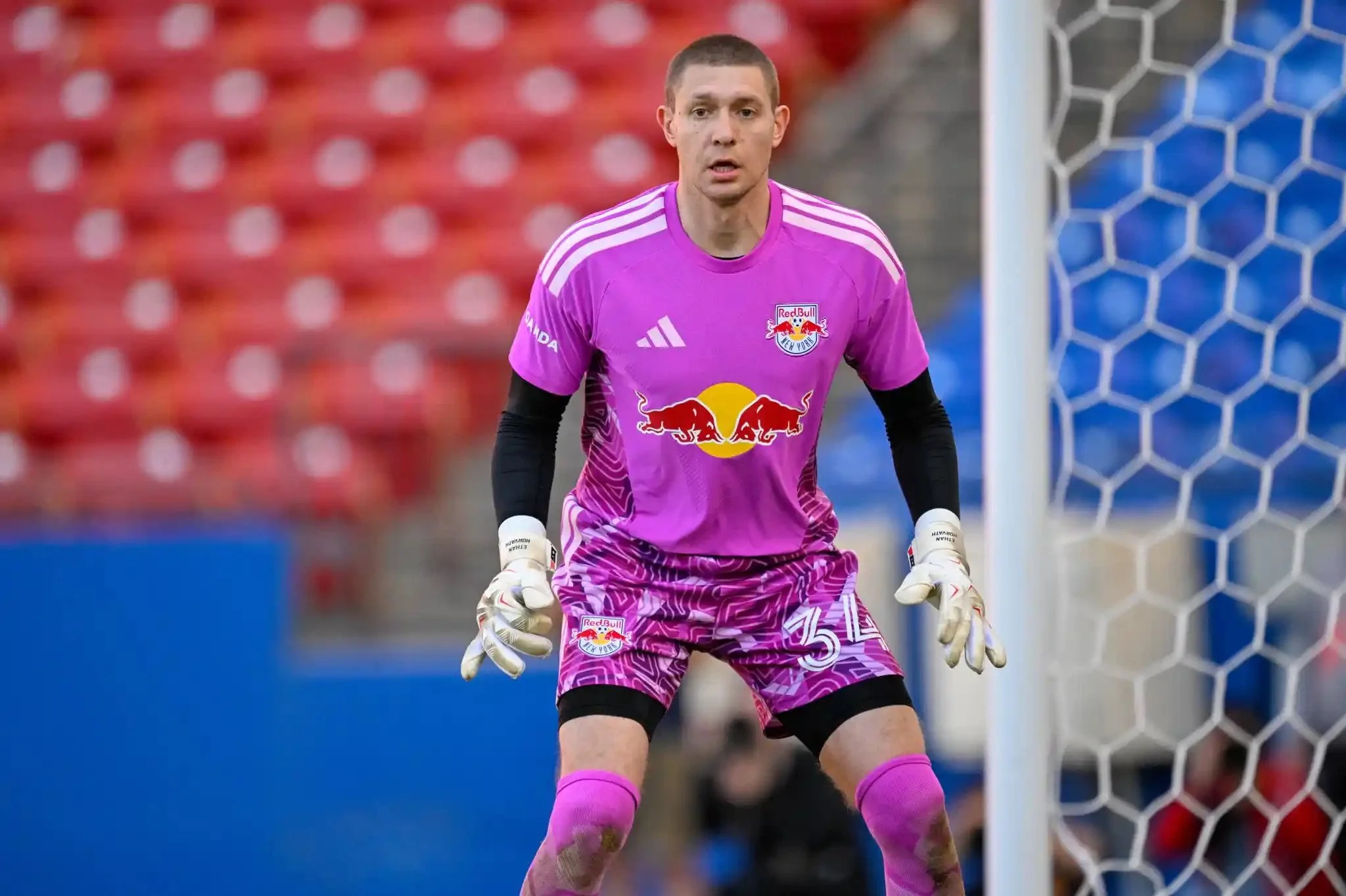
2. Ethan Horvath

Prior to joining the Red Bulls, minutes have been hard to come by for Horvath as English clubs’ hyper-competitive environment makes every goalkeeper earn their spot week-in, week-out. However, Horvath has proven himself to be a fair replica of 90’s goaltenders: good shot stoppers who can control the 18. Although he isn’t the goalkeeper to ping around 40 passes on a dime, his ability to cover the box and goal frame is hard to come by, especially in the USMNT goalkeeping pool.

After ten caps already under his belt, it’s not unheard of to see Horvath back in net for the USMNT and his strong start to the MLS season gives weight behind his name. However, Horvath isn’t known for flawless play himself, as the inconsistent minutes led to inconsistent play overseas over the past couple years. If he can keep the Red Bulls atop the standings and they can keep their starting goalkeeper confident, look to see Horvath make a strong run at the number one position for the US.

3. Gabriel Slonina

Following on the heels of Steffen’s move to Manchester City and Turner’s move to Arsenal, Slonina transferred to Chelsea in 2022. Fast forward almost four years and Slonina is averaging about one match per month since penning the transfer. Slonina was once expected to be the can’t miss prospect but similar to Steffen and Turner, he’s found himself in Premier League purgatory and the expectations to become the Blues’ future starter have hit an all-time low. A move back to MLS would be a disappointing backward step for the young goalkeeper, still just 21 years old, but his move forward seems difficult to chart out. He played good, but not great, on his loan to Eupen for the 2023-24 season, the former Belgian Premier League team that Slonina was present for in the failed relegation battle.

Prestige aside, if Slonina can finally gain some traction overseas, whether it be in Italy or France or Belgium, he could make a run at the national team. The window to start at the 2026 World Cup seemingly has closed for the former Chicago Fire product but that’s not to say his future with the national team is closed as well. The eventual move out of Chelsea can bring good fortune to Slonina, as long as he’s not kicked around to another English club whose efforts will amount to just a random EPL2 game here and there.

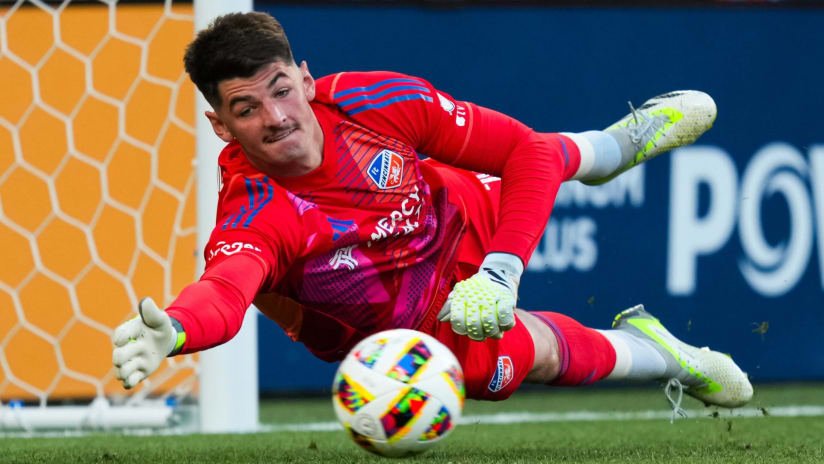
4. Roman Celentano

With Brady’s free-flowing approach to goalkeeping, Celentano’s meticulous approach is the complete opposite side of the coin. The midwesterner approaches goalkeeping with a clear black-and-white, right-and-wrong mindset for what works inside his game. There are very few moments we see Celentano look out of sorts, although his ultra-passive mindset helps sort out most of his decision-making.

Despite an impressive career 1.82 PPG in MLS league play, Celentano and Cincinnati have struggled to connect the pieces in the playoffs, compiling a meager 7-6 record in postseason play. Although it’d be nice to see Celentano stick around until Cincinnati can finally lift the Cup, there are several cases of young goalkeepers who stayed in MLS too long and the efforts to push the boulder up the hill only amounted to it rolling down the side. If Celentano wants to continue his upward trajectory, leaving MLS needs to happen sooner than later and challenge himself in a league where he must take more responsibility on the field, lest he become one of the many goalkeepers who stayed comfortable in MLS as a 10 year starter and plateaued in their mid 20’s

5. Zack Steffen

There aren’t many goalkeepers whose career has been more of a rollercoaster ride than Zack Steffen’s. Steffen’s journey to Manchester City back in 2019 seemed like a resurgence of the olden days for American goalkeeping, one that couldn’t possibly go wrong. However, the back 20’s prove to be a crucial time to maintain momentum for aspiring goalkeepers and Steffen is a great example of how a clear number one for the national team - one who’s amassed 30 caps - can easily tumble down the pecking order, only receiving one game with the USMNT since the spring of 2022.

Steffen’s game can best be summed up as erratic. One moment, he’s making the big-time save we all grew to expect, while the next moment, a bad rebound makes Steffen look like a goalkeeper playing above his level. xG proponents will point to Steffen’s low numbers but in spite of xG being far from a repeatable stat, there’s a reason why Tim Howard and Landon Donovan touted the journeyman. If Steffen can limit the bad goals and return to form, the goalkeeper with the seventh most wins of all-time for the USMNT can finally start a World Cup match.

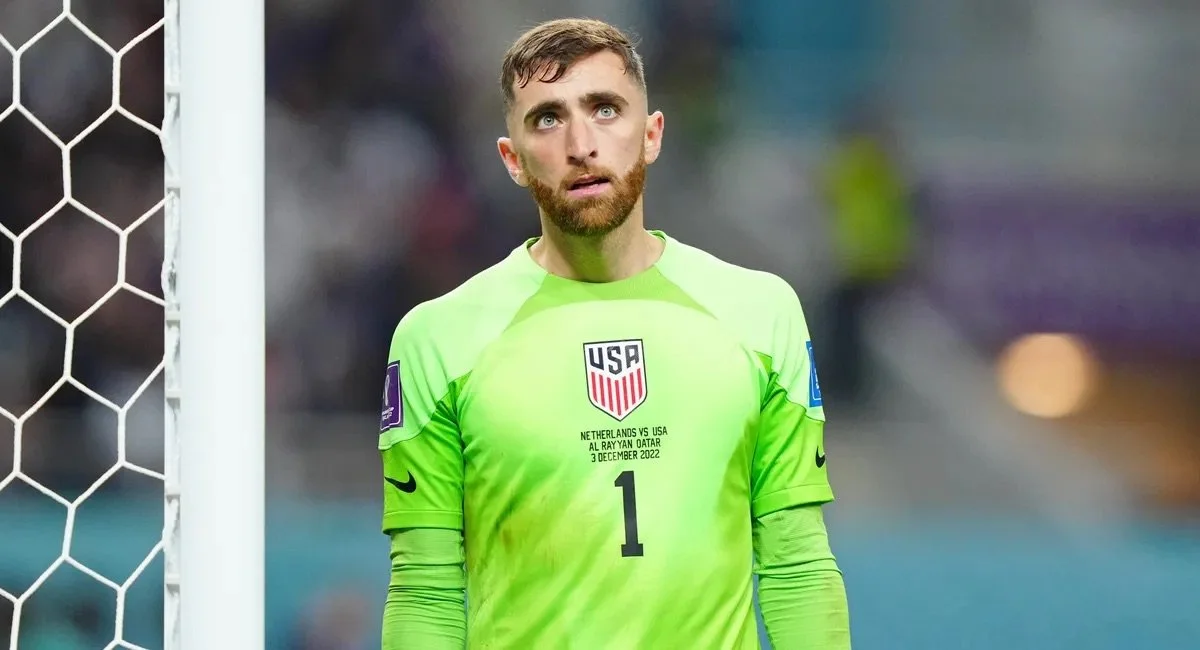
6. Matt Turner

Advanced stat darling Matt Turner bounced out of MLS in 2022 to the English Premier League after the once undrafted goalkeeper produced a +.38 prevented goals per 96 minutes from 2019-2021, a stat that was twice that of second place Steve Clark and essentially lapped every other starter in the league. Unfortunately, Turner finding the cheat code that an ultimate line sitter in MLS can do well in the xG column didn’t translate overseas and the tumultuous time bouncing around Europe - including a situation that saw Nottingham Forrest and Lyon fight to not have him on their roster - seems to have taken a hit to Turner’s confidence and run of form. Opening weekend back with the Revs saw a 4-1 loss for Turner, clearly trying to regain the 2021 form he had before leaving for Arsenal. Turner isn’t terribly off the mark but still not looking like the goalkeeper with 50+ caps to his name. At 31, it’d be a shame to see Turner start declining so early but Turner’s supporters don’t have many successes to point to in warrant a return to the USMNT starting spot. If Turner can turn around the Revs winless season, he might be able to make a case for a spot on the 2026 roster.

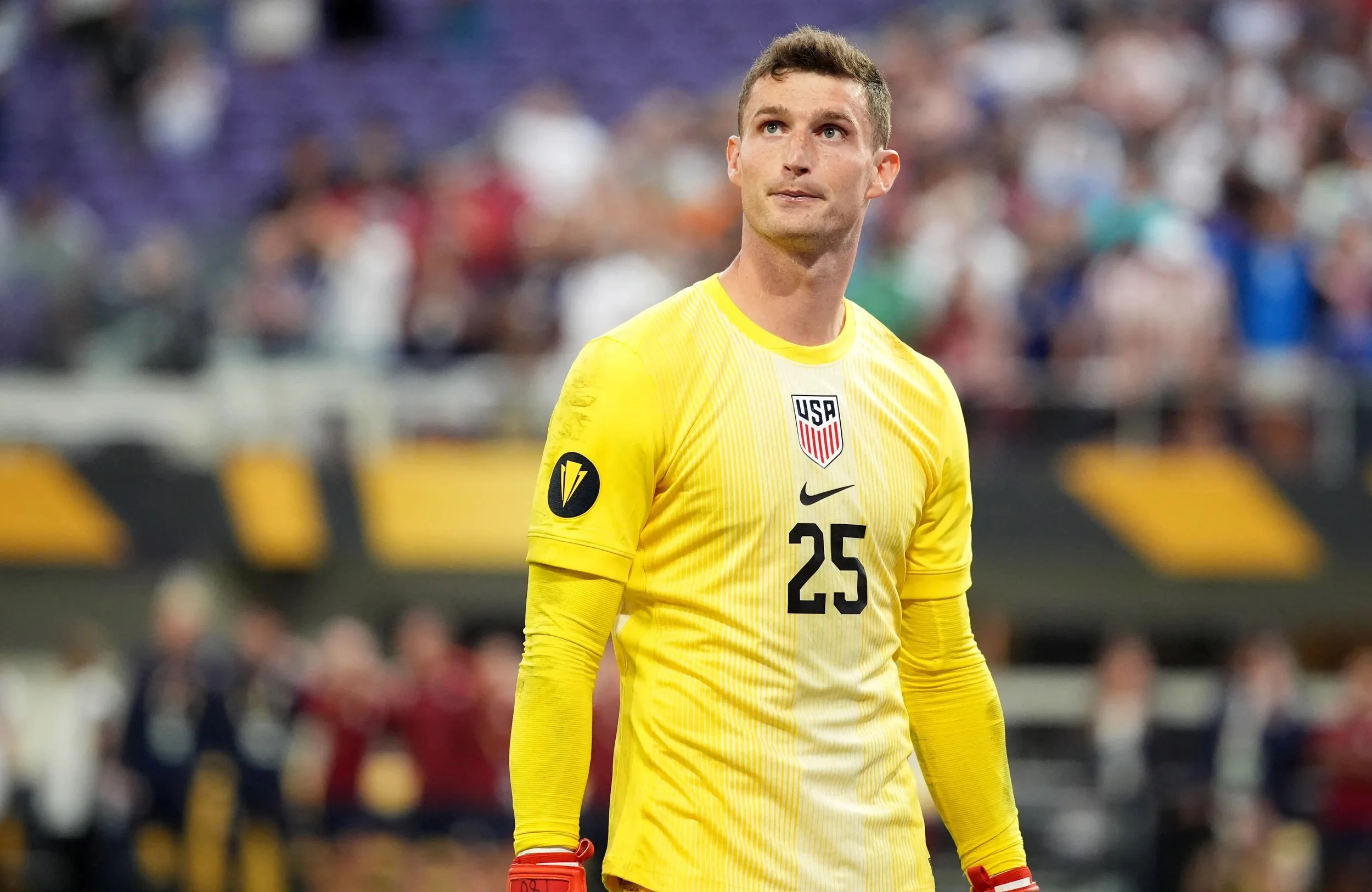
7. Matt Freese

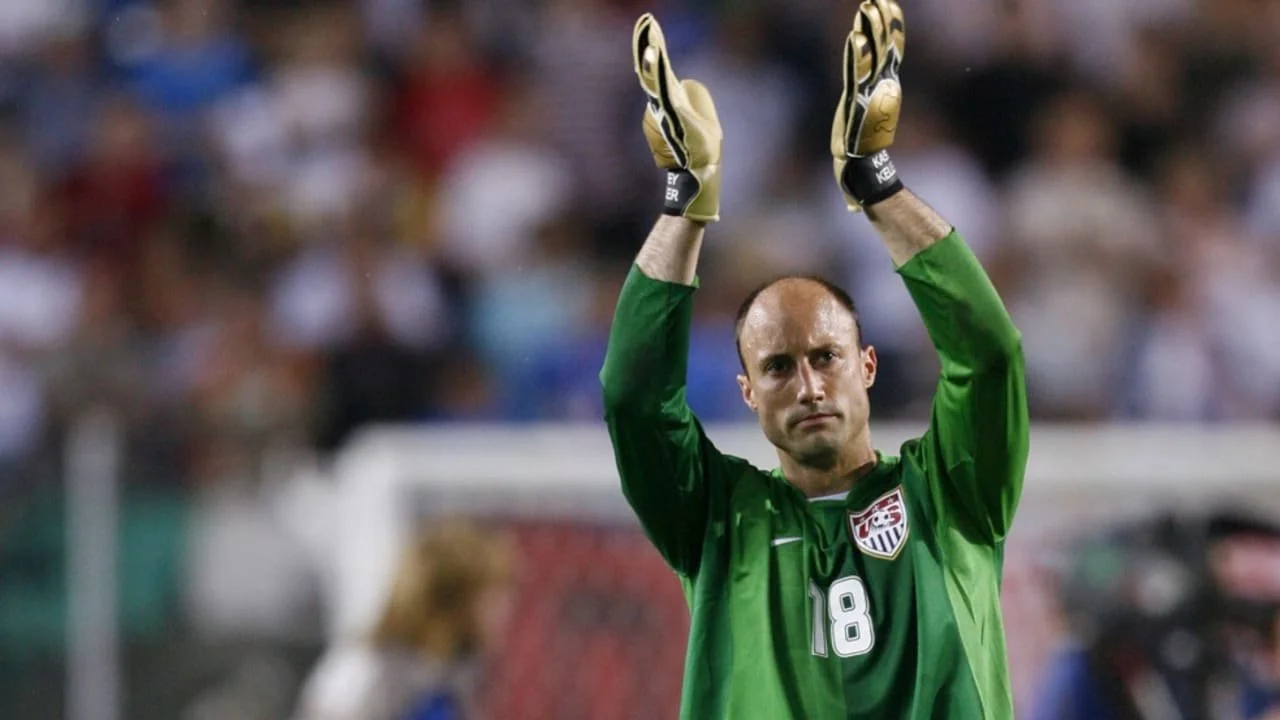
After turning down Manchester United to start his degree at Harvard University, Freese eventually made a name for himself as a “steady Eddy” type of goalkeeper. Freese would rarely concede poor goals in MLS play and always gave his team, New York City, a chance to stay in the match. Freese did this so well that when Matt Turner’s form plummeted while navigating England’s lower divisions, Freese was given a chance last summer as the number one for the US. Since June of 2025, Freese amassed 13 caps but it’s a different beast at the international level. Shortcomings like misplaying a through ball, retreating to his line on a collectable slotted ball, sitting too deep on his line, struggling to handle a backpass on his weak foot, spilling rebounds in front of goal, and simply not diving on shots - ones you’d see the likes of Tim Howard or Kasey Keller sprawl out for with every inch of their body - have led to Freese struggling to maintain shutouts when his prodecessors did.

Although there have been positives in Freese’s past twelve months, most recently his performance against his former MLS team, USMNT fans expect to see game-saving saves from the starter, not just reliable play in covering the middle third shots on the goal. If the former Crimson goalkeeper can continue to play at his peak, expect him to maintain the number one jersey through the summer. Otherwise, look for the USMNT number one to continually get passed around.

8. Jonathan Klinsmann

If you haven’t tracked Klinsmann’s career over the past few years, well no one can blame you for not following his move to Serie C with enthusiasm. After a completely unremarkable 2023 season with the Galaxy, Klinsmann wisely opted for Italy instead of spinning his wheels in mud in England. Klinsmann watched Cesena promote to Serie B from the bench and then, seemingly out of nowhere, Klinsmann found a form we’d never seen from Berkley Bear. In the fall of 2024, Klinsmann took over the starting spot and conceded just 30 goals in 27 matches, narrowly missing out on back-to-back promotions. This season Klinsmann and Cesena once again sit in the promotion playoffs and eye a jump to Serie A.

Klinsmann’s game has cleaned up mightily since starting for the U20s. He’s more mobile, which allows him to tap into his power more easily, and his game sense has skyrocketed. The awkward plays that break down in front of net no longer leave him looking unsure. That’s not to say he’s unbeatable, but we’re seeing fewer moments where he’s struggling to find solutions to implement. In true American fashion, he is simply “betting on himself” and playing without hesitation, which is wonderful to see. Jumping to Serie A would certainly get Klinsmann back on people’s radars and raise the question of what his ceiling actually is.

9. CJ dos Santos

2026 hasn’t gotten off to quite the start that the Benfica product was hoping for. Not only is dos Santos still waiting to fully recover from his fractured cheekbone that he sustained in November of 2025, but his backup is now catching headlines as the next big thing. This stings all the more as dos Santos had finally found his footing after a tumultuous time in Miami and 2026 should have been his big break out year. The clock hasn’t ticked down all the way yet so there’s still plenty of time but it’s a rough start to the season nonetheless.

As for chances with the USMNT, it’ll be interesting to see if dos Santos’ style would match what the national team is looking for. Dos Santos loves playing off his line and wants the ball at his feet but American sides (both MLS and the USMNT) are reluctant to embrace the pitfalls of true liberos. Because of this, we’ve seen a bit of a hybrid come out in dos Santos’ play. It can be tough trying to marry the two styles but some goalkeepers have found success in the past - Dan Kennedy being a standout here - although most suffer from indecision and hesitation with two drastically different styles being smooshed into one. So far, getting out of Miami seems to have rejuvenated dos Santos a good bit, allowing him to play with confidence, but American sides are typically going to err on the side of pragmaticness instead of an artistic philosophy. As to how much confidence dos Santos can play with moving forward with higher and higher stakes, it has yet to be seen.

10. Drake Callender

It’s never a good look to bounce from team to team so quickly but greener and snowier pastures seem to be working out for the former Inter Miami starter. With Messi’s arrival in Miami, American starters quickly became a thing of the past and it didn’t take long for Callender to be relocated out of Miami completely. Callender thrives on being allowed to play with his gut and embrace chaos. Harnessing his inner Steve Clark, Callender doesn’t shy away from the gritty plays, but his success in those moments can waver severely. In 2023, Callender was rewarded with a national team call-up, while in the following seasons he looked like someone who might put his gloves on the wrong hands, playing beyond poorly and not shocking fans when he finally was told to pack his things. It’s a high ceiling, low floor situation with Callender but so far 2026 has gotten off to a good start for the California native. Here’s hoping Callender can continue to advocate for himself with strong “do whatever it takes to keep the ball out of the net” play for the rest of the season.

Outside Looking In

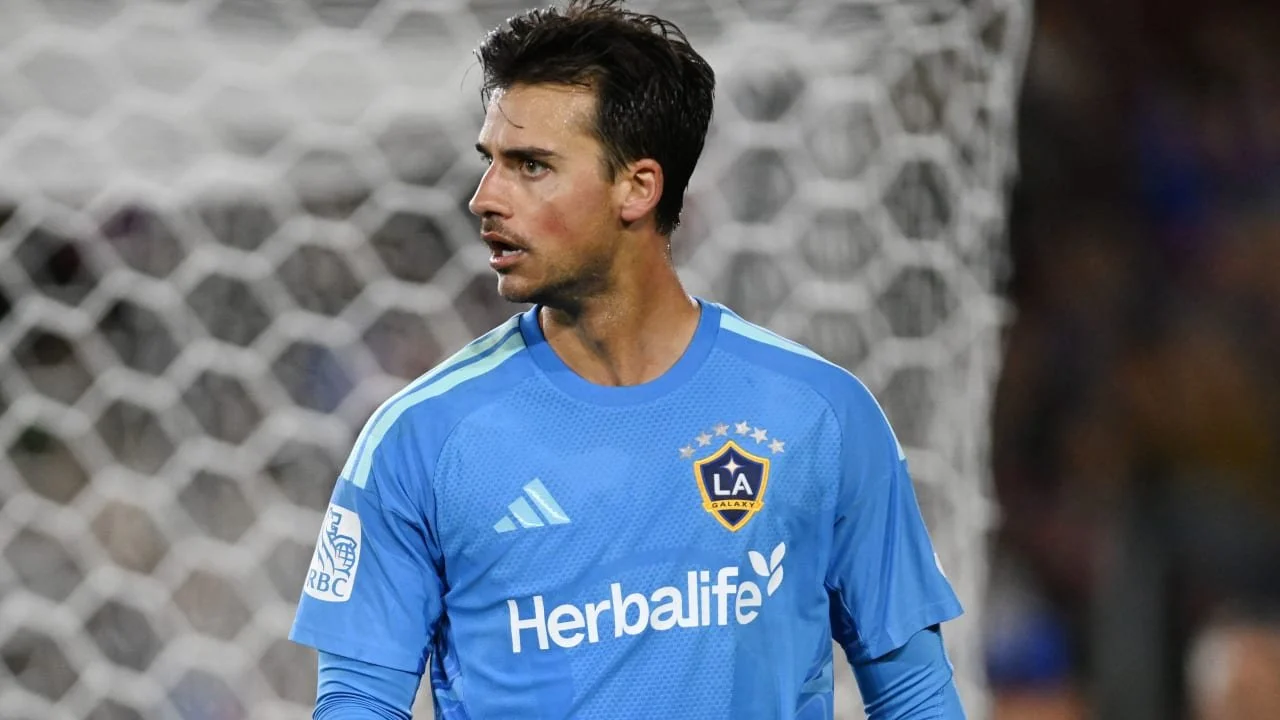
11. Gavin Beavers, 20 - Brondby (Denmark.1)
12. Andrew Thomas, 27 - Seattle Sounders
13. JT Marcinkowski, 28 - Los Angeles Galaxy
14. Joe Willis, 37 - Nashville SC
15. Brad Stuver, 34 - Austin FC
16. John McCarthy, 33 - New York Red Bulls
17. Josh Cohen, 33 - Chicago Fire
18. Tyler Miller, 33 - Charlotte FC
19. Patrick Schulte, 25 - Columbus Crew
20. John Pulskamp, 24 - Sporting Kansas City

Bill says: Gavin Beavers. Beavers is finally starting to see some minutes from Brondby - two starts in February - but the Danish SuperLiga table is incredibly tight at the moment so distributing minutes to a 20 year old isn’t likely high on the manager’s priorities. In his two starts, Beavers displayed a real sense of urgency to not let his chance to shine go by. (For MLS fans, think Tim Melia when he finally got a chance at SKC.) 2026 is likely to still be pretty quiet for the young RSL product but so far he’s checking the right boxes. Brondby’s willingness to give him any minutes at all is encouraging but if there’s one thing to take away from Americans’ past attempts at making it abroad, it’s that one shouldn’t stick around if the club doesn’t want you. Hopefully Brondby will give Beavers a longer and longer leash as time goes on, otherwise he needs to get out of dodge quick and find a side that will.

Best of the Rest

21. Stefan Cleveland, 31 - Sporting Kansas City
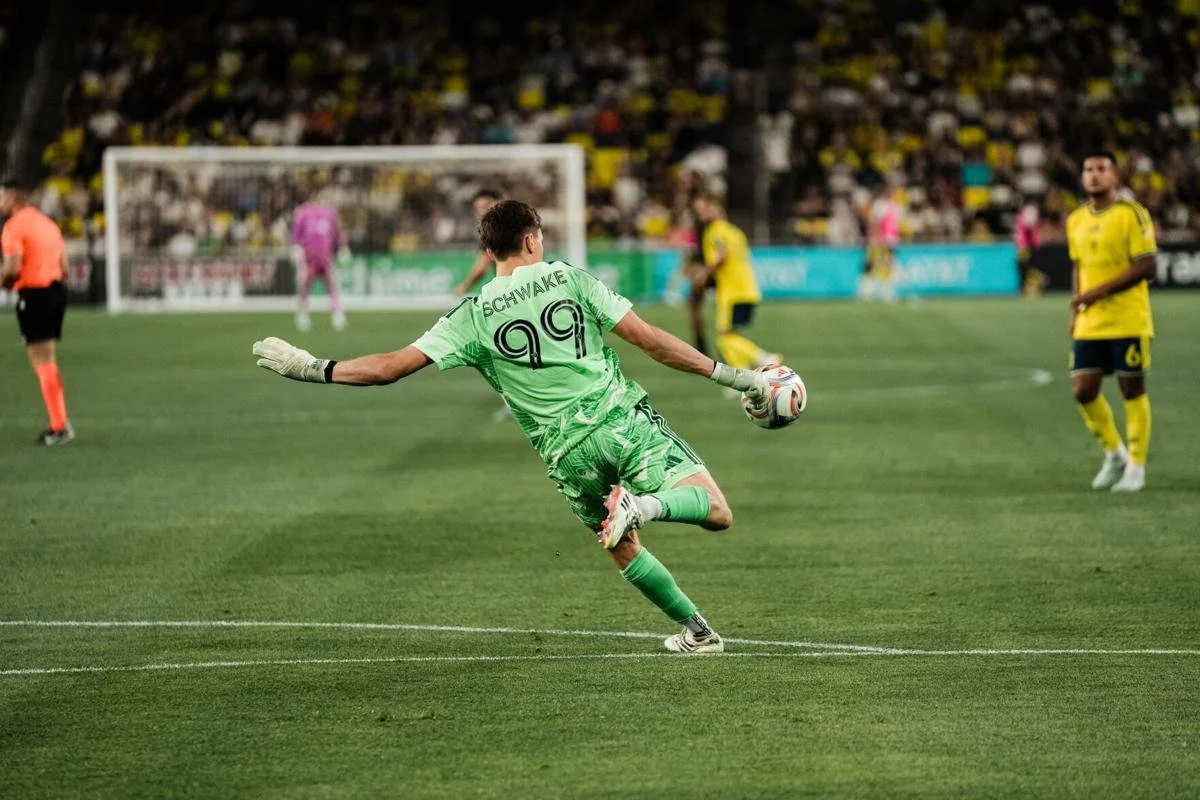
22. Brian Schwake, 24 - Nashville SC
23. Earl Edwards, 34 - San Jose Earthquakes
24. Luis Barraza, 29 - Inter Miami
25. Antonio Carrera, 22 - Tigres UANL (Mexico.1)
26. Stefan Frei, 39 - Seattle Sounders
27. Pablo Sisniega, 30 - San Diego FC
28. Evan Louro, 30 - FC Cincinnati
29. Julian Eyestone, 19 - Brentford B (England.1)
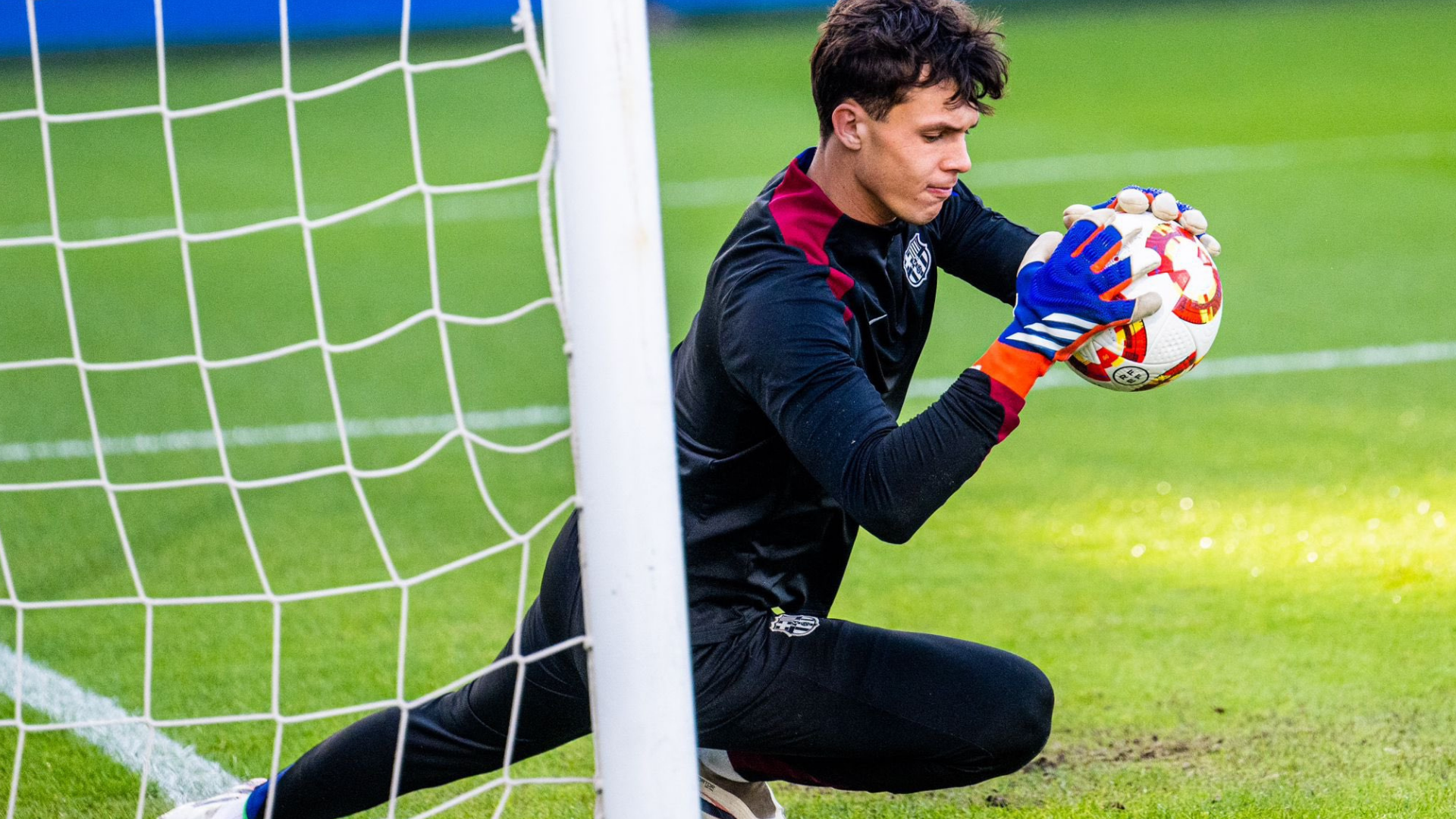
30. Diego Kochen, 20 - Barcelona (Spain.1)

31. Danny Vitiello, 30 - Sacramento Republic
32. Bill Hamid, 35 - Free Agent
33. Logan Ketterer, 32 - Lexington SC
34. Mike Lansing, 31 - Kristiansund (Norway.1)
35. Alex Bono, 31 - DC United
36. George Marks, 26 - Philadelphia Union
37. Sean Johnson, 36 - DC United
38. Kendall McIntosh, 32 - Oakland Roots
39. Mason Stajduhar, 28 - Real Salt Lake
40. David Bingham, 36 - Free Agent

41. Vicente Reyes, 22 - Norwich (England.2)
42. William Yarbrough, 37 - Toronto FC
43. Sean Lewis, 33 - Tormenta FC
44. Eric Dick, 31 - Indy Eleven
45. Edward Delgado, 28 - FC Naples
46. Jimmy Maurer, 37 - Houston Dynamo
47. Hunter Sulte, 23 - Portland Timbers
48. Jeff Gal, 32 - Chicago Fire
49. Rashid Nuhu, 30 - Union Omaha
50. Luke Dennison, 29 - Drogheda United (Ireland.1)

51. Danny Rogers, 32 - St. Patrick's Athletic (Ireland.1)
52. Nicolas Hansen, 24 - Colorado Rapids
53. Colin Shutler, 27 - Colorado Springs Switchbacks
54. Paul Walters, 21 - FC Cincinnati
55. Jordan Farr, 31 - DC United
56. Antony Siaha, 27 - Hartford Athletic
57. Luis Zamudio, 27 - Charleston Battery
58. Carlos Saldaña, 29 - Detroit City
59. Rocco Rios Novo, 23 - Inter Miami
60. Michael Collodi, 24 - FC Dallas

61. Andrew Rick, 20 - Philadelphia Union
62. Jake McGuire, 31 - Sporting JAX
63. Adam Beaudry, 19 - Colorado Rapids
64. Jacob Jackson, 25 - Free Agent
65. Carlos Merancio, 27 - Spokane Velocity
66. Ethan Bandre, 27 - Loudon United
67. Johan Penaranda, 26 - Lexington SC
68. Seth Torman, 27 - Greenville Triumph
69. Duran Ferree, 19 - San Diego FC
70. Adrian Zendejas, 30 - Vancouver Whitecaps

71. George Tasouris, 30 - Charlotte Independence
72. Abraham Romero, 28 - El Paso Locomotive
73. Alec Smir, 26 - Minnesota United FC
74. Chituru Odunze, 23 - Charlotte FC
75. Max Weinstein, 21 - New England Revolution II
76. Alex Borto, 22 - Fulham U21s (England.1R)
77. Andrew Pannenberg, 27 - Carolina Core
78. Brady Scott, 26 - Los Angeles Galaxy
79. Hunter Morse, 27 - Hearts of Pine
80. Jacob Castro, 26 - Rhode Island FC

81. Jared Mazzola, 27 - Las Vegas Lights FC
82. John Berner, 35 - Charleston Battery
83. Richard Sanchez, 31 - San Antonio FC
84. Carlos Herrera, 28 - Detroit City
85. James Sneddon, 20 - Richmond Kickers
86. Trey Muse, 26 - Portland Timbers
87. Benjamin Machini, 29 - Hapoel Haifa (Israel.1)
88. Jonathan Burke, 28 - Knoxville
89. Benny Diaz, 27 - FC Juarez (Mexico.1)
90. Michael Stone, 27 - Akademisk BK (Denmark.3)

91. Sebastian Mora-Mora, 27 - El Paso Locomotive
92. Ryan Troutman, 25 - Louisville City FC
93. Santiago Perez, 21 - Monterrey U21 (Mexico.1Y)
94. Brooks Thompson, 23 - Lexington SC %
95. William Popp, 31 - Shonan Bellmare (Belgium.2) #
96. Aidan Stokes, 18 - New York Red Bulls
97. Kris Shakes, 24 - New Mexico United
98. Derrek Chan, 27 - New York Cosmos
99. Cabral Carter, 21 - LAFC
100. Nicholas Holliday, 20 - Charlotte FC

Is the USWNT Avoiding the USMNT's Goalkeeping Problems?

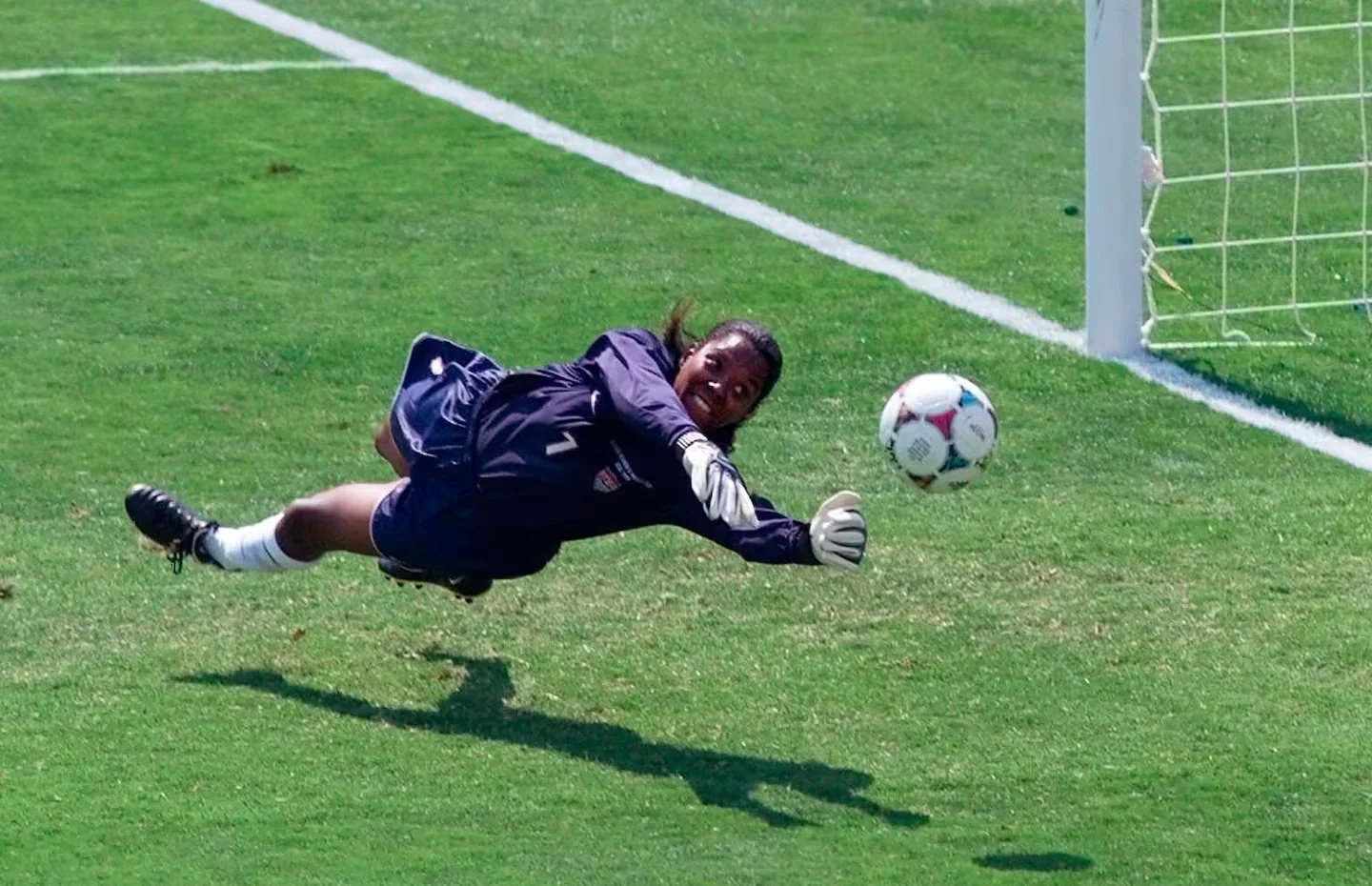
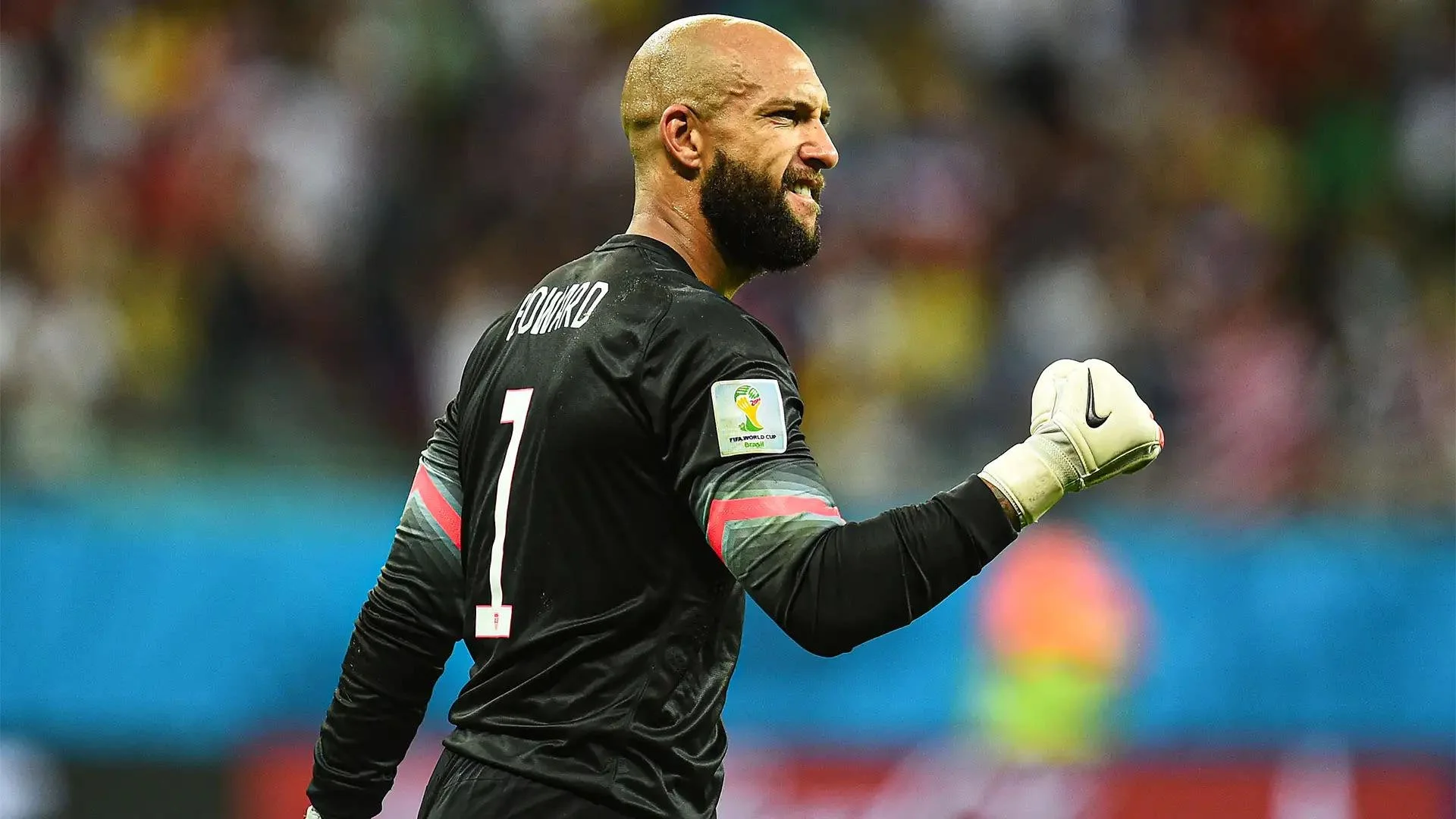
For several decades, the starting goalkeeper for the US national team possessed a supernatural aura that convinced fans the US would always have a chance at a result, no matter how difficult the opponent was. From Borghi to Scurry to Howard, each goalkeeper provided iconic moments that now live on as some of the greatest performances by an American goalkeeper. However, the two national teams’ goalkeeping pools have diverged significantly in recent years. Whereas the USMNT’s goalkeepers have clearly failed to uphold their reputation as English Premier League-level talent, there’s some debate on whether the USWNT’s goalkeepers are still in the conversation for best in the world. So has the USWNT managed to avoid the USMNT’s woes? Or has the USWNT learned nothing from the USMNT’s problems?

How the USMNT Got Here

There are many factors that go into a country’s goalkeeping pipeline and the USMNT has unfortunately struggled to continue to execute on most of them in the 21st century. After the USSF decided to not replace Peter Mellor as the federation’s goalkeeping director in 2005 and continue on without anyone overseeing the goalkeeping department, the federation’s goalkeeping education decayed so badly that in 2015, they pulled it off the shelf. Although the USC would continue with its grassroots goalkeeping courses during this time, the federation would also pull back any serious goalkeeping focus on the common letter licenses (A, B, C, etc.) for aspiring head coaches.

On top of the removal of goalkeeping education, the distilling of traditional pathways like ODP in favor of MLS academies ended up outsourcing the position’s development to a handful of turbulent places, instead of being led by a clear governing body. MLS’s goalkeeper coaches arrived and left every 3-5 years, continually bringing new ideas and discarding old philosophies, making the American goalkeeping pipeline akin to a truck spinning its wheels in mud.

In an attempt to bolster the newly minted league, MLS Next started pulling in more clubs with the promise that the non-MLS-affiliated sides would receive solidarity payments, but only if they joined MLS Next. These efforts put young, talented goalkeepers in a bind, leaving them with essentially the choice of finding an MLS Next team in order to receive any investment from the federation or being left out in the cold. Fast-forward to 2025 and this half-baked effort led to a league that rarely produces American goalkeeping talent and plays more foreign than domestic goalkeepers, while the country faces a unique problem of a goalkeeping logjam where goalkeepers’ professional pathways get choked out, stifling their development at a crucial stage.

In 2025, MLS featured more foreign goalkeepers than American for the first time in the league’s history.

But what’s to say about the women’s setup? Four former professional goalkeepers from the women’s game weighed in on the current USMNT/USWNT goalkeeping situation: Saskia Webber (Rutgers, USWNT), Jill Loyden (Villanova, USWNT), Michele Dalton (Wisconsin, Chicago Red Stars), and Emily Armstrong (UConn, IBV).

Are the USWNT Avoiding the USMNT’s Potholes?

For most of its existence, the women have largely been forced to carve their own path as the federation would not treat the two national teams equally. As former NT goalkeeper Janine Szpara explained it, “US Soccer has a pattern of not supporting and giving the women what they need or what they deserve.” Even in more recent years, we’ve still seen an imbalance in investment. In 2018, when the USSF tried to kickstart a new goalkeeping license, it was MLS coaches, not NWSL coaches, who were invited to the pilot course.

So left adrift from the federation, the main saving grace for the women’s goalkeeping pipeline was that the US had the elite youth system in the entire world for the last 50 years, and, whenever afloat, a top professional league as well. The US enjoyed an early advantage in goalkeeping due to these investments. Emily Armstrong, who finished her career with UConn in 2016, spoke on her difficulty in going from the US to Europe when it came to what she expected to receive.

“While training with the Thorns and the Spirit, I had access to goalkeeper training on a daily basis, and even had opportunities for additional training outside of the daily practices. This was not the case overseas. In some situations, there was no goalkeeper-specific training offered, and I had to advocate for myself. At the time I was a little frustrated by this fact, but looking back on my experience, I am thankful that I was put into situations where I had to speak up, and find ways to improve my game without the routine goalkeeper training I was used to at UConn and in the NWSL. In Norway, I would train with the men’s keepers, because the women’s team did not have a goalkeeper coach of their own.”

But as the US gained a significant and early lead, with early stalwarts of Brianna Scurry and Hope Solo shining brightly on the world stage, these advantages started to erode. What Armstrong faced just ten years ago is now largely referred to as “back then” or a time that’s not really relevant to top European clubs. The US, in turn, didn’t do much.

“We haven’t put resources into education,” states Loyden. “Our goalkeeper coaches thought, ‘Oh, it’s a technical position.’ Coaches became overly technical and killed athleticism. Then the game evolved for goalkeepers to use their feet and we were even further behind.”

Exiting 2025, the NWSL’s top goalkeeper has now come from outside the US three out of the last four years and they’re starting to see a similar trend line that MLS faced just five years ago: games for Americans are going down while games for international goalkeepers are at an all-time high.

So while the US was once reaping the rewards of having the top league in the world filled with American goalkeepers, NWSL coaches are looking more and more overseas to find goalkeepers who are well-rounded out, having less trust in the underdeveloped American goalkeepers. Webber and Dalton express concern about the next steps for the USWNT when trying to replace Naeher.
“I don’t know if I would say [the USWNT] are having an easier time [than the men],” writes Webber, “None of the goalkeepers in the [USWNT] pool right now have enough experience or have proven themselves in a major tournament to grab the number one spot.”

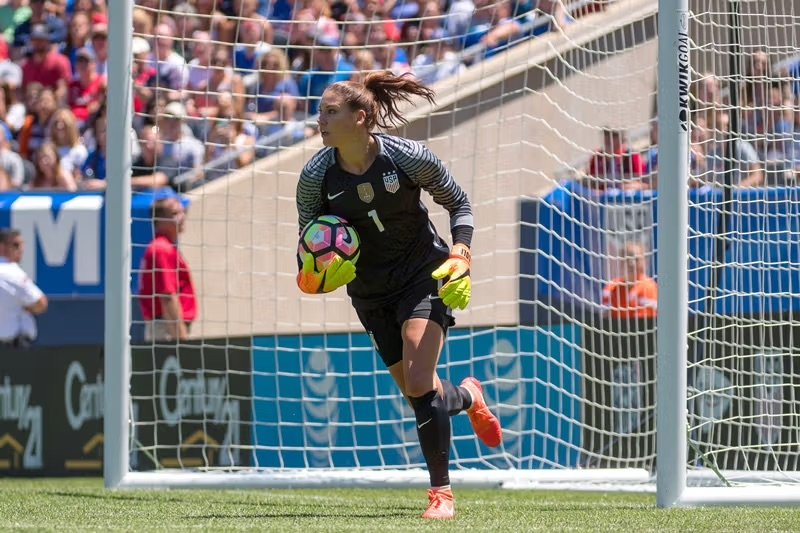
“I actually don’t think the USWNT is having an easy time replacing Naeher,” echoes Dalton. “I do think Naeher replaced Solo pretty seamlessly. The men seem to always be behind the rest of the world, and instead of closing that gap, we continue to further ourselves. On the women’s side, more resources are becoming available to women internationally, so other countries have been able to close the gap.”

Substance Over Style

Continuing to invest in American goalkeeping poses a difficult question. “What exactly is American goalkeeping? What does it look like? How does one define it?” These questions are difficult to answer largely because it’s hard to find a consistent thread from the top. From Friedel to Howard to Freese, the USMNT has started three very different goalkeepers in a relatively short time. From Scurry to Solo to Naeher, again, three very different goalkeepers wore the number one shirt for the national team. And while the lack of a specific identity may not be met with a consensus, all four retired goalkeepers speak about the importance of a clear blueprint to uplift American goalkeeping, even if it is just a detailed approach for one specific individual.

“What is our identity?” asks Loyden. “I don’t know what that is. But I don’t think that’s necessarily a bad thing. We teach the ABCs at The Keeper Institute. Adaptable, brave, and consistent problem solvers. But consistent problem solvers can do that in a variety of ways.”

Loyden’s modern approach works well for goalkeeper coaches, as one team may have three vastly different skillsets that the coach must now work with collectively. And for the goalkeepers themselves, the intangible focus of the ABCs is a breath of fresh air, allowing the individual to figure out what works best for them, as opposed to shoehorning a calloused approach.

“I had goalkeeper coaches who worked with my style of play and made adaptations as needed,” said Armstrong. “I also had goalkeeper coaches who tried to change my style to fit theirs. I believe there is always room for growth, but I also think it’s important to meet the goalkeeper where they are, and progress from there. Every keeper has their own style, and there really is no ‘correct’ approach to the position. The goalkeeper coaches I appreciated most were those who would break down film and give me pointers, plus also listen to my perspective. I had the most growth with goalkeeper coaches who I could discuss both positive and negative plays in the game.”

Both Armstrong and Dalton now work with the next generation of goalkeepers and they haven’t forgotten what did and didn’t work for them in their playing careers. The intangible lessons learn are a signficiant compass in how their now coaching young, aspiring goalkeepers.

“An individual’s ability to take in new information while staying true to themselves is pretty paramount in being successful. I’m a big believer that instilling confidence and belief in a goalkeeper has to come above style. Maintaining consistent principles is key when styles vary,” says Dalton.

Tracking all the way back through playing in WUSA, Japan, and at Rutgers, Webber recognizes the problem young goalkeepers today face when they’re pulled in too many different directions. “The funny thing is all my coaches [across my career] had the same basic philosophies around the position and training. Possibly because they had all worked together. The problem today is that doesn’t happen as much, so young goalkeepers can be all over the place when they move from team to team or coach to coach.”

Optimistic Future

As we enter the next quarter of the century, our retired goalkeepers are still making positive impacts on the game, whether it is by becoming a goalkeeper coach themselves or offering insightful goalkeeping-specific commentary on nationally televised broadcasts. These efforts go a long way but the need for a federation-coordinated effort is still paramount. In Fall 2024, Jack Robinson was hired as Head of Goalkeeping after a nearly two-decade run through the highest ranks in England. Recently, Robinson talked about his efforts with the federation to help goalkeeping in our country, highlighting an expansion in goalkeeping education, more talent identification across the country, and the benefit of national team managers who want to utilize their goalkeepers as something more than a line sitter. These are encouraging signs, but for the last twenty years, American fans have been waiting on the federation to fulfill its promise that goalkeeping investment was on the way.

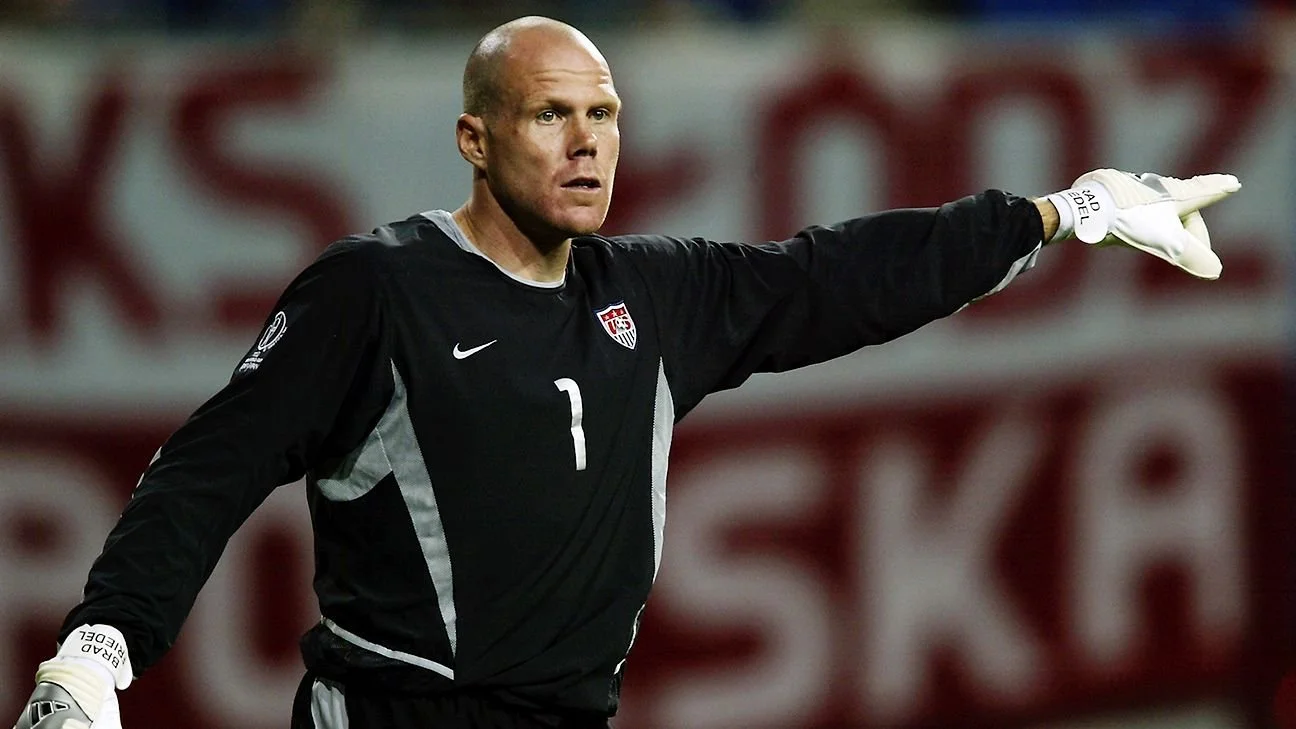
As of right now, the USWNT are still able to boast about having one of the top goalkeepers in the world between the posts. So things aren’t currently as dire for the women as they are for the men. However, when looking back to where the USMNT was with their 2002 and 2006 World Cup rosters - featuring Brad Friedel, Tim Howard, Kasey Keller, Tony Meola, and Marcus Hahnemann - Ernest Hemingway’s quote comes to mind. “How do you go bankrupt? Two ways, gradually. Then suddenly.”

Can the USWNT avoid the USMNT’s pitfalls? Time will tell. If we embrace the country’s strengths and continue ramping up investment into the position, the ceiling will skyrocket. On the other hand, unkept promises will only put the US further behind with its goalkeeping for not just the men, but the women as well.

“I don’t believe there’s one way to play the position,” Loyden says. “You can interpret it in so many ways. The more adaptable you are, the more solutions you have. If we’re not preparing goalkeepers for the demands of ten years from now, that’s a problem. We won’t know what they will look like [in ten years], but if we develop them to be adaptable goalkeepers, they’ll be able to play in that modern game.”

Women's Goalkeeper Hall of Fame

The Women’s Goalkeeper Hall of Fame honors the top goalkeepers in the history of women’s football. Starting in 1990, the Hall of Fame retroactively inducted the most qualified retired goalkeeper from each respective year and continued forward with an annual recipient. Eligible goalkeepers for the Hall of Fame are evaluated on their international and domestic accolades and the goalkeeper’s overall ability.

To help evaluate a goalkeeper’s playing career with proper context, Weighted Cap Total (WCT) is used as a guideline. WCT balances a player’s international appearances based on the number of available games during the player’s ages from 19-34 to show if the player’s cap count is inflated (due to an above-average amount of available games to play) or undervalued (due to a lack of available games). For example, if player A had the opportunity to play in 500 games during their career while player B only had 125 available matches, player A’s WCT would be cut in half while player B’s would be doubled, as the latter had fewer opportunities to receive caps.

Each goalkeeper is listed with their current cap total, their WCT, and highlights from their career. To learn more about each goalkeeper and why they’re considered one of the best goalkeepers of all time, click their name to read a short biography on their playing career.

Legend

* - estimates
RU = runner-up
SF = semifinal
WC = World Cup
Oly - Olympics
QF - Qualifying

Year Goalkeeper Country Caps WCT Major Accomplishments
1990 Annie Hastie England --- --- Dick, Kerr Ladies FC
1991 Wilma Seghetti Italy 35* 83* '70 WC RU, '79 Euro RU
1992 Birte Kjems Denmark 12* 48* 1971 WC Winner
1993 Marianne Riis Denmark 27 84 1979 Euro Winner
1994 Sue Buckett England 30 170 8x FA Cup Winner
1995 Theresa Wiseman England 60 167 1984 Euro RU
1996 Elisabeth Leidinge Sweden 112 239 '84 Euro Winner, '91 WC 3rd
1997 Marion Isbert Germany 58 85 '89/91 Euro Winner, '95 WC RU
1998 Manuela Goller Germany 45 47 '95 WC RU, '95 Euro Winner
1999 Eva Russo Italy 57 87 '84/86 Mundalito Winner
2000 Leslie King New Zealand 28 115 1991 WC Standout
2001 Margarete Pioresan Brazil 22* 212* 1996 Olympics 4th
2002 Daniela Sogliani Italy 27 71 1971 WC 3rd
2003 Giorgia Brenzan Italy 111 168 '93/97 Euro RU
2004 Gao Hong China 110* 114* '96 Olympics RU, '99 WC RU
2005 Pauline Cope England 60 114 '95 Euro SF, '95 WC 7th
2006 Svetlana Petko Russia 144 199 '99 WC 5th, '97/01 Euro
2007 Stefania Antonini Italy 32 44 '91 WC 6th, 5x Serie A Champ
2008 Marleen Wissink Netherlands 141 230 4x Euro QF, 6x Bundesliga Champ
2009 Silke Rottenberg Germany 125 124 '03 WC Winner, '00/04 Oly 3rd
2010 Bente Nordby Norway 172 159 '95 WC Winner, '00 Oly Winner
2011 Briana Scurry USA 175 125 '96/04 Oly Winner, '99 WC Winner
2012 Sandrine Roux France 70 127 6x French League Champ, '97 Euro 6th
2013 Caroline Jönsson Sweden 80 72 '01 Euro RU, '03 WC RU
2014 Carla Brunozzi Italy 55 66 3x Serie A, 2x Italian Cup
2015 Ursula Holl Germany 5 4 2x UEFA CL, 3x Bundesliga Champ
2016 Nadine Angerer Germany 146 134 '07 WC Winner, 2013 FIFA POTY
2017 Hope Solo USA 202 119 '15 WC Winner, '08/12 Oly Winner
2018 Emma Byrne Ireland 134 256 11x English League Champion
2019 Precious Dede Nigeria 99 182 '04 Oly 6th, 4x WC Starter
2020 Ingrid Hjelmseth Norway 138 125 2013 Euro RU, 2009 Euro SF
2021 Rachel Brown-Finnis England 82 98 '10 FA Cup, '07 WC 7th, '09 Euro 2nd
2022 Sari van Veenendaal Netherlands 91 94 '17 Euro, '19 WC RU, '19 World Best XI
2023 Karen Bardsley England 81 92 '15 WC 3rd, 8 trophies w/Man City
2024 Stephanie Labbé Canada 86 78 '16 Oly 3rd, '19 NWSL, '21 Oly Gold
2025 Hedvig Lindahl Sweden 189 169 '16/21 Oly + '03 WC RU, '11/19 WC 3rd

Top 100 USWNT Goalkeeper Pool

In conjunction with the USMNT depth chart, the we’re now expanding the USWNT Goalkeeper Pool posts to include 100 American goalkeepers! Each goalkeeper is slotted by a number of factors: historical individual results, current individual level of play, and projected on-field performance. The top 100 attempts to remove exterior noise and team statistics to isolate the goalkeeper’s true ability. The blocks of twenty names feature a brief paragraph on players to watch, giving a small bio about certain goalkeepers and what to look out for in the coming months. To see how the top 100 rankings have evolved since March 2015, click here.

Post updated July 1st, 2025.

1. Mandy McGlynn, 26 - Utah Royals
2. Angelina Anderson, 24 - Angel City FC
3. Aubrey Kingsbury, 33 - Washington Spirit
4. Jordan Silkowitz, 25 - Bay FC
5. Claudia Dickey, 25 - Seattle Reign
6. Phallon Tullis-Joyce, 28 - Manchester United (England.1)
7. Jane Campbell, 30 - Houston Dash
8. Bella Bixby, 29 - Portland Thorns FC
9. Alyssa Naeher, 37 - Chicago Stars
10. Casey Murphy, 29 - North Carolina Courage

11. Jordyn Bloomer, 27 - Racing Louisville
12. Hillary Beall, 26 - San Diego Wave
13. Laurel Ivory, 25 - Kansas City Current
14. Adrianna Franch, 34 - Birmingham City (England.2)
15. Cassie Miller, 30 - Seattle Reign
16. Katie Lund, 28 - Racing Louisville
17. Samantha Murphy, 28 - Carolina Ascent (USA.1U)
18. Shelby Hogan, 27 - Gotham FC
19. Jalen Tompkins, 28 - Brondby (Denmark.1)
20. Bridgette Skiba, 25 - Lexington SC (USA.1U)

Ones to watch: The race to replace Naeher is still on. Unfortunately, the USWNT has done a fantastic job of avoiding prepping for this moment for about ten years. Anderson, Dickey, and McGlynn, were recently called into the national team but none of them have locked down the position in a convincing fashion, speaking partly to the depth at the position. Bixby, Campbell, and Kinsbury, three of the more decorated veterans on the list, could theoretically work their way in but eyes are turning to younger goalkeepers, not to mention Jordan Silkowitz at Bay FC. The question for the number one going forward is centered around whoever can balance a consistent level of play, doesn’t default to sitting on their line, and won’t resort to booting the ball downfield on every touch. As of right now, Emma Hayes is still weighing her options.

21. Abby Smith, 31 - Houston Dash
22. Kelsey Daugherty, 28 - Celtic (Scotland.1)
23. Mackenzie Wood, 25 - Chicago Stars
24. Emily Dolan, 31 - Damaiense (Portugal.1)
25. Shae Yanez, 28 - Crystal Palace (England.1)
26. Jessica Berlin, 26 - Thor/KA (Iceland.1)
27. Katelin Talbert, 26 - Free Agent (None)
28. Ashley Orkus, 26 - Tampa Bay Sun FC (USA.1U)
29. Olivia Sekany, 26 - Racing Louisville
30. Monica Wilhelm, 25 - Eskilstuna United (Sweden.2)

31. Kaylie Collins, 27 - Washington Spirit
32. Kaylan Marckese, 27 - Tampa Bay Sun FC (USA.1U)
33. Cosette Morche, 28 - Fort Lauderdale FC (USA.1U)
34. Katherine Asman, 25 - Orlando Pride
35. Makenna Gottschalk, 26 - Fort Lauderdale FC (USA.1U)
36. Erin Seppi, 27 - Valadares Gaia (Portugal.1)
37. Lindsey Harris, 31 - Al-Qadisiah (Saudi Arabia.1)
38. Hannah Seabert, 30 - Angel City FC
39. Melissa Lowder, 28 - Bay FC
40. Marisa Jordan, 24 - North Carolina Courage

Ones to watch: As we enter the back half of the decade, we’re finally seeing a steady stream of American goalkeepers carving out a career overseas and not just returning after one or two seasons. Tullis-Joyce and Tompkins lead the list but Daughtery, Dolan, and others are following suit. The challenge these goalkeepers face is limited investment, largely leaving their development to their own hands. Although these goalkeepers don’t mind playing the underdog role, it’s quite common to see goalkeepers plateau in the development, especially in their tactical understanding of the game. Whether through limited minutes or a lack of a full-time goalkeeper coach, it’s difficult for goalkeepers to continue to understand the nuances of in-game moments. Hopefully, American sides, like Racing Louisville, will continue to lean into loan options while also valuing American goalkeepers who developed outside the US.

41. McKinley Crone, 26 - Orlando Pride
42. Macy Enneking, 24 - Free Agent (None)
43. Aubrei Corder, 27 - Bodø / Glimt (Norway.2)
44. Noa Schumacher, 25 - Hibernian (Scotland.1)
45. Meagan McClelland, 24 - Carolina Ascent (USA.1U)
46. Sarah Cox, 31 - Lexington SC (USA.1U)
47. Heather Hinz, 24 - Sydney FC (Australia.1)
48. Kenna Caldwell, 24 - Molde FK (Norway.2)
49. Halle Mackiewicz, 23 - Chicago Stars
50. Cat Sheppard, 24 - Durham (England.2)

51. Izzy Nino, 26 - Spokane Zephyr (USA.1U)
52. Taiana Tolleson, 27 - Lexington SC (USA.1U)
53. Claire Henninger, 24 - Torreense (Portugal.1)
54. Madison White, 24 - Racing Louisville
55. Megan Plaschko, 23 - Athlone Town AFC (Ireland.1)
56. Morgan Messner, 25 - Portland Thorns FC
57. Emmie Allen, 22 - Bay FC
58. Lauren Kozal, 25 - Grasshopper (Switzerland.1)
59. Hope Hisey, 24 - Zephyr FC (USA.1U)
60. Adelaide Gay, 35 - DC Power FC (USA.1U)

Ones to watch: While we continue to wait for promising goalkeepers like Marisa Jordan, Macey Enneking, or Marz Josephson to get a fair shake, their peers are vying to make a name for themselves elsewhere. Madison White has done well with Dallas Trinity while fellow Big 12-alum Megan Plaschko sits atop the Irish Premier Division with Athlone Town (as of early May). Both goalkeepers have shown big moments but still need to find the right balance of power and mobility, which can typically found in nuanced footwork. If they can keep detailing their approach to the game in a way that best suits them and not shoehorn someone else’s style, then they may have a chance at making it in the best league in the world.

61. Liz Harrington, 26 - Free Agent (None)
62. Caroline DeLisle, 25 - Norrkoping (Sweden.1)
63. Cayla White, 24 - Odense BK (Denmark.1)
64. Maddy Anderson, 23 - Racing Louisville
65. Erin McKinney, 25 - Fort Lauderdale FC (USA.1U)
66. Elaina LaMacchia, 25 - Fram Reykjavik (Iceland.1)
67. Lyza Jessee, 24 - Washington Spirit
68. Olivia Pratapas, 23 - NC State
69. Mollee Swift, 24 - Throttur (Iceland.1)
70. Ryan Campbell, 23 - Gotham FC

71. Christina Holguin, 29 - Juarez (Mexico.1)
72. Kate Devine, 23 - Breiðablik (Iceland.1)
73. Samantha Estrada, 25 - Dallas Trinity (USA.1U)
74. Hailey Coll, 24 - Zephyr FC (USA.1U)
75. Kayla Thompson, 26 - Toluca (Mexico.1)
76. Ashley Naylor, 23 - FCPS (Austria.2)
77. Mikki Easter, 24 - FCPS (Austria.2)
78. Elizabeth Beardsley, 22 - Houston Dash
79. Stephanie Sparkowski, 23 - Chicago Stars
80. Lauren Kellett, 23 - Tampa Bay Sun FC (USA.1U)

Ones to watch: After a combined 600 minutes between Kate Devine and Mikki Easter last fall, neither goalkeeper is letting the sluggish season be the final chapter in their playing career. Both goalkeepers are on the opposite end of the spectrum as the aforementioned White and Plaschko (above) as Devine and Easter rely more on their feet to solve attacks, whether in shot-stopping or shot-prevention. Iceland’s first division and, certainly, Austria’s second division can get scrappy at times but as long as the goalkeepers can focus on minimizing the chaos and not feeding into it, look for them to spring board to higher levels of play next season.

81. Mia Justus, 22 - Utah Royals
82. Maddie Prohaska, 22 - Seattle Reign
83. Genevieve Crenshaw, 22 - Tindastóll (Iceland.1)
84. Ally Zazzara, 22 - Tennessee
85. Tyler McCamey, 22 - Gotham FC
86. Neeku Purcell, 21 - Seattle Reign
87. Amber Lockwood, 23 - Clube de Albergaria (Portugal.1)
88. Ally Lynch, 22 - Purdue
89. Sally Rainey, 22 - Indiana
90. Teagan Wy, 21 - California

91. Haley Craig, 22 - Portland Thorns FC
92. Alexa Goldberg, 23 - Brooklyn FC (USA.1U)
93. Bella Grust, 22 - USC
94. Dmitri Fong, 27 - Vllaznia (Albania.1)
95. Bella Hollenbach, 22 - Milwaukee
96. Camryn Miller, 22 - Cincinnati
97. Belle Okoroafo, 22 - Michigan State
98. Jordan Brown, 21 - Georgia
99. Cassie Coster, 22 - Monmouth
100. Shea Vanderbosch, 21 - Syracuse

Ones to watch: Last but not least, this group of mostly young goalkeepers - some with college eligibility left and some without - will all have the tough task of continuing their development while not losing momentum. Although goalkeepers can certainly play into their late 30s, it’s hard to develop much once you’ve hit your mid-20s. Tactical decision-making, space optimization, and maximizing efficient response times pose significant challenges for college goalkeepers eyeing the pro scene. Ideally, a goalkeeper should look noticeably sharper from even 21 to 24 but it’s not uncommon to see a goalkeeper plateau in their development at those ages. Purcell, Brown, and Zazzara are good examples of goalkeepers who are still developing - as displayed with highs and lows this past season - and need an arena to keep that momentum going.