Cases For the Six Goalkeepers on the 2017 Soccer Hall of Fame Ballot

Last week the National Soccer Hall of Fame released their nominees for the 2017 class. The ballot contains six hopeful goalkeepers, most notably 1999 World Cup legend Briana Scurry, looking to join the ten goalkeepers already enshrined in the Hall.

The Hall has an odd history with goalkeepers. Originally they were quick to induct goalkeepers, seeing seven goalkeepers inducted over the first few decades. This created a nice representation of the top goalkeepers in a variety of generations. However after 1976, goalkeepers struggled to make the cut. In the last 43 years, only three goalkeepers have been inducted that would otherwise be largely forgotten. Although while goalkeepers were a hot commodity at one point, voters simply haven't known what to do with them since.

Part of the reason for low goalkeeper numbers is due to, somewhat ironically, the lack of organization throughout the Hall's history. The 1960s saw a grand total of five players make the Hall of Fame, for example. Another reason is the voting process has recently pushed away from valuing club performance and almost exclusively leaning on the number of caps a player gained. Clearly this makes it tough for goalkeepers, as caps are harder to come by for them, but also any non-American players struggle to have the right eye candy voters want.

The Hall did a wonderful job of including top goalkeepers from multiple generations but now it's resorted to more a checklist for the most capped players. If the Baseball Hall of Fame can enshrine a pitcher from every year of MLB, it seems reasonable that they can put one goalkeeper from each decade in the Soccer Hall of Fame.

Since there are a million different ways to set a standard for the Hall of Fame, let's move on to the six nominees looking to make the cut.


1. Briana Scurry
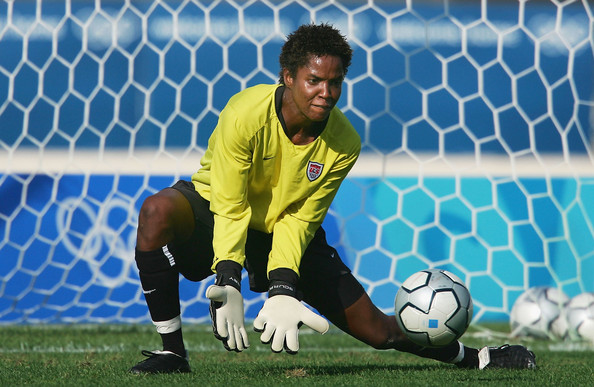
Does she belong?: Without question. She's the 1999 World Cup Champion with the iconic penalty save in the shootout final to set up the win. Plus, goalkeepers with 173 caps and two Olympic gold medals don't come along every day. If she's not good enough, no goalkeeper is. It's already inexcusable that one of - if not the - premier goalkeeper in the world has been passed on for three years.

Outlook: Hard to say. In 2015 she just missed the cutoff with a handful of votes but she's been a "shoo-in" since her first year. (I couldn't find 2016 voting numbers.) There's not a very clear reason for why she hasn't been inducted outside of a poor voting system.


2/3. Kevin Hartman and Joe Cannon
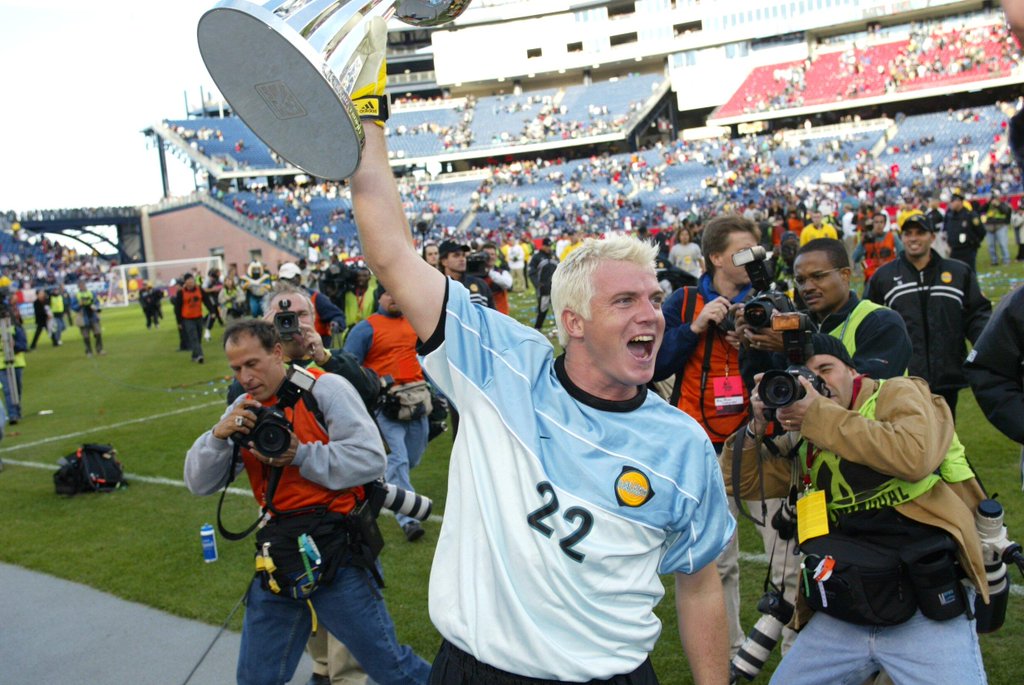
Do they belong? Let me first stay that I am aware they are two different goalkeepers with their own careers. Clearly one chewed gum while playing in goal and the other did not. That said, they're in the same boat. Regardless that they have a combined 758 games (over 22 full seasons) and three MLS Goalkeeper of the Year awards, voters love the USMNT. Hartman and Cannon only combined for seven caps so if international performance is the bar to clear, they simply don't meet the criteria.

However it's worth noting that their short international careers weren't due to poor performances but simply a crowded field. Legends like Meola, Friedel, Keller, and Howard managed to keep a number of MLS goalkeepers at bay. While they rarely were featured with the USMNT, Hartman and Cannon set a standard of consistency in MLS that has rarely been matched since their retirement.

Voters need to consider what it would have taken for Hartman and Cannon to become worthy of selection. If it's earning more caps in the career by unseating more than one of the top ten goalkeepers in the world, that seems like an unreasonable bar to set for players.

Outlook: It'll be at least five years if not closer to ten. Their best bet may actually be landing with the veteran committee, where they only need 50% approval of votes, not two-thirds.


4. Pat Onstad

Does he belong? Onstad returns for his third year but the goalkeeper is no stranger to sticking around past everyone's expectations. The Canadian legend was playing everywhere he could before MLS came around. While he only has 57 caps for the Canadian National Team, Onstad's Hall of Fame bid is solely based on his play in MLS. He's one of nine goalkeepers to earn 200 starts despite being 28 when MLS finally started up, playing all the way until age 43. For a goalkeeper who obviously couldn't impact the USMNT, he's one of the most influential Canadian soccer players on the American game.

Outlook? He didn't gain 15% of votes in 2015 and I think a mostly American-voting base isn't too fond of voting for Canadians over their own. My bet is he ends up on the veteran committee at some point and gets in then.


5. Mary Harvey
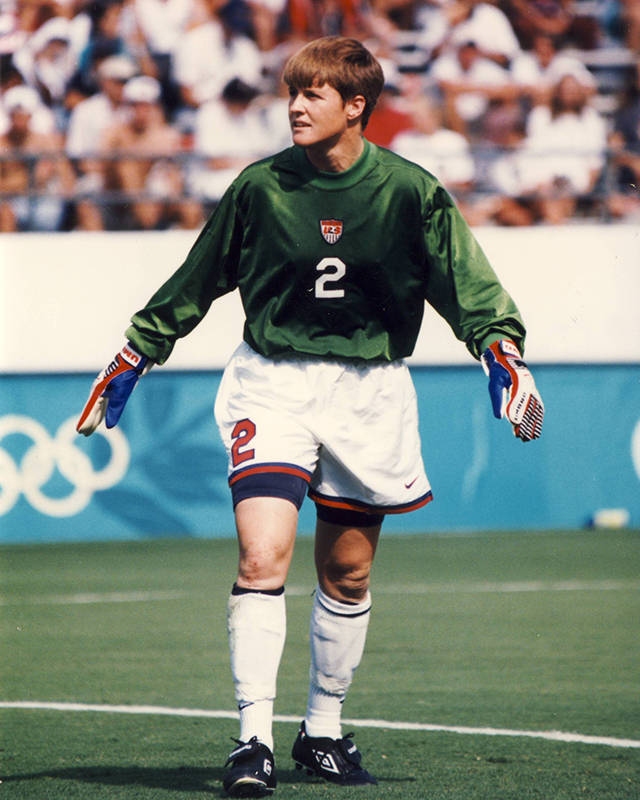
Does she belong? Out of all the American goalkeepers from the early 90s, she had as good as career as any of them. Unfortunately it seems that playing for the USWNT just isn't as respected as playing for the men's team. Harvey earned 27 caps, only eight behind Arnie Mausser (2003 inductee), placing her sixth all-time with the USWNT. She played overseas when playing domestically wasn't an option, something very few American players did at the time.

Harvey was the number one goalkeeper for the early 90s and started for the USWNT in their first World Cup win (1991). If a goalkeeper on the men's side earned on 27 caps but was the starting goalkeeper in their first World Cup win, I would imagine he'd have a strong chance of getting in.

Outlook? She only received 19% of votes in 2004 and wasn't in the top five for the veteran's vote in 2015. If Scurry can't make it, Harvey's chances are most likely close to zero.


6. Shep Messing

Does he belong? I don't think voters have a good answer for wondering what a Hall of Fame career would look like for a player in the middle of the NASL collapsing. For someone that did anything he could to continue playing until age 38, his career is easy to forget given the time.

Messing never earned a cap for the national team, which is fairly damning for nearly every Hall of Fame voter. But realistically Messing played in an era when the USMNT didn't mean anything. If the 1978 Cosmos team played the USMNT at the time, it'd likely be a toss up. So it's hard to criticize a player for not being a part of an organization when it didn't take itself seriously enough to warrant participation.

Messing is probably the most iconic NASL goalkeeper and it would be nice to have another goalkeeper from a forgotten era, which there is precedent for when looking at the first inducted goalkeepers.

Outlook? Similar to Harvey, he hasn't had the support in the past and there appear to be more favorable names for the veteran's committee than Messing. He did earn 39% in 2015 (needed 50% to get in) but it was still fifth overall and they only approve one per year with the veteran's vote. At this point, if he hasn't made it yet he most likely never will.


Goalkeepers in the National Soccer Hall of Fame
bios taken from USSoccer.com

Peter “Pete” Renzulli (1951) - Goalkeeper who played for a string of American Soccer League clubs in the 1920s and won three U.S. Open Cup titles. Renzulli played in the original ASL from 1922 to 1930, for Todd Shipyards, Paterson, Indiana Flooring, New York Nationals and New York Giants. He won Open Cup titles with Robins Dry Dock in 1921, Paterson in 1923 and New York Nationals in 1928.

George Tintle (1952) - Goalkeeper who was the first famous goalie in American soccer history, making Scandinavian tours with the U.S. National Team in 1916, Bethlehem Steel in 1919 and a St. Louis all-star team in 1920. Tintle played for a string of different teams during his career, including Harrison AA in the first two seasons of the original American Soccer League. 

Jimmy Douglas (1953) - Goalkeeper who played for the United States in both the 1924 Olympic Games and the 1930 World Cup. Douglas also played nine seasons in the original American Soccer League, for eight different teams. He played nine full internationals for the United States between 1924 and 1930, including both of the U.S. games at the 1924 Olympics in Paris and all three of the U.S. games at the 1930 World Cup in Uruguay.

Stanley Chesney (1966) - Goalkeeper who played 17 seasons in the American Soccer League for the New York Americans. He won an ASL championship with the Americans in 1936 and the U.S. Open Cup in 1937. Although he never played for the full U.S. National Team, he gained the nickname “The International Man” for his frequent appearance for ASL selections against foreign teams, including three games against the touring Scottish all-stars in 1935 and 1939.

Gene Olaff (1971) - Goalkeeper who played for the Brooklyn Hispano team that won the American Soccer League-U.S. Open Cup double in 1943 and took the Open Cup again a year later. Olaff, who played for Hispano from 1941 to 1953, was the premier American goalkeeper of the 1940s but played only one game for the U.S. Men’s National Team, which went 10 years without a game because of World War II.

Frank Borghi (1976) -  Goalkeeper who is often considered the top contributor to the United States’ 1-0 upset of England in the 1950 World Cup. That game was one of nine full internationals he played for the United States between 1949 and 1954, games that included three in the World Cup and five more in World Cup qualifying. Borghi won numerous honors with several club teams in St. Louis, including winning U.S. Open Cup titles in 1948 and 1950 with Simpkins.

Gino Gard (1976) - Goalkeeper who was a member of the United States squad at the 1950 World Cup in Brazil. Gard, who was born in Italy and whose name was Gardassanich before he moved to the United States, played from 1949 to 1959 for Slovak of the National Soccer League of Chicago. He reached the National Amateur Cup final in 1953 with Slovak.

Arnie Mausser (2003) - Goalkeeper who played 10 seasons in the North American Soccer League and was the first-choice ’keeper for the U.S. Men’s National Team through most of the NASL era. Mausser played 35 full internationals for the United States between 1975 and 1985, including 11 World Cup qualifiers. He played for seven different NASL teams and was the only American chosen as a first-team NASL all-star in that league’s last nine seasons.

Tony Meola (2012) - Goalkeeper who was captain of the United States team in the 1994 World Cup. Meola played 100 full internationals for the United States between 1988 and 2000, including seven games at the 1990 and 1994 World Cups and five World Cup qualifiers in 1989 and 2000. Meola played 11 seasons in MLS, winning both a league title and the MLS most valuable player award with the Kansas City Wizards in 2000.

Kasey Keller (2015) - Goalkeeper who started for the 1989 U20 World Cup team that earned a US-best ever 4th place finish. He would go on to earn 102 caps with the senior team from 1990 to 2007 and appear on four USMNT World Cup rosters. Keller was one of the first American players to have a successful and lengthy career abroad, playing for Millwall, Leicester City, Rayo Vallecano, Tottenham, and Borussia Mönchengladbach before returning to the Seattle Sounders for his final years, earning the 2011 MLS Goalkeeper of the Year award.


A full list of the Hall of Fame's members can be found here.
Is Jonathan Klinsmann the Right Goalkeeper for the U20s?

Early Monday morning, the U20s kicked off their World Cup run with a dramatic 3-3 tie, leaning heavily on a 94th minute volley from Luca de la Torre. Despite the late game heroics, many pointed to Jonathan Klinsmann as the weak link of the team after conceding three goals. (Read BigSoccer's game day thread to hear fans go from awe to disgust in a matter of seconds.) There are many fans calling for Klinsmann's benching, while some seem to have been harboring their displeasure with the goalkeeper for some time.

Let's take a closer look at his performance before we dive into who should be the starting goalkeeper.


First Goal

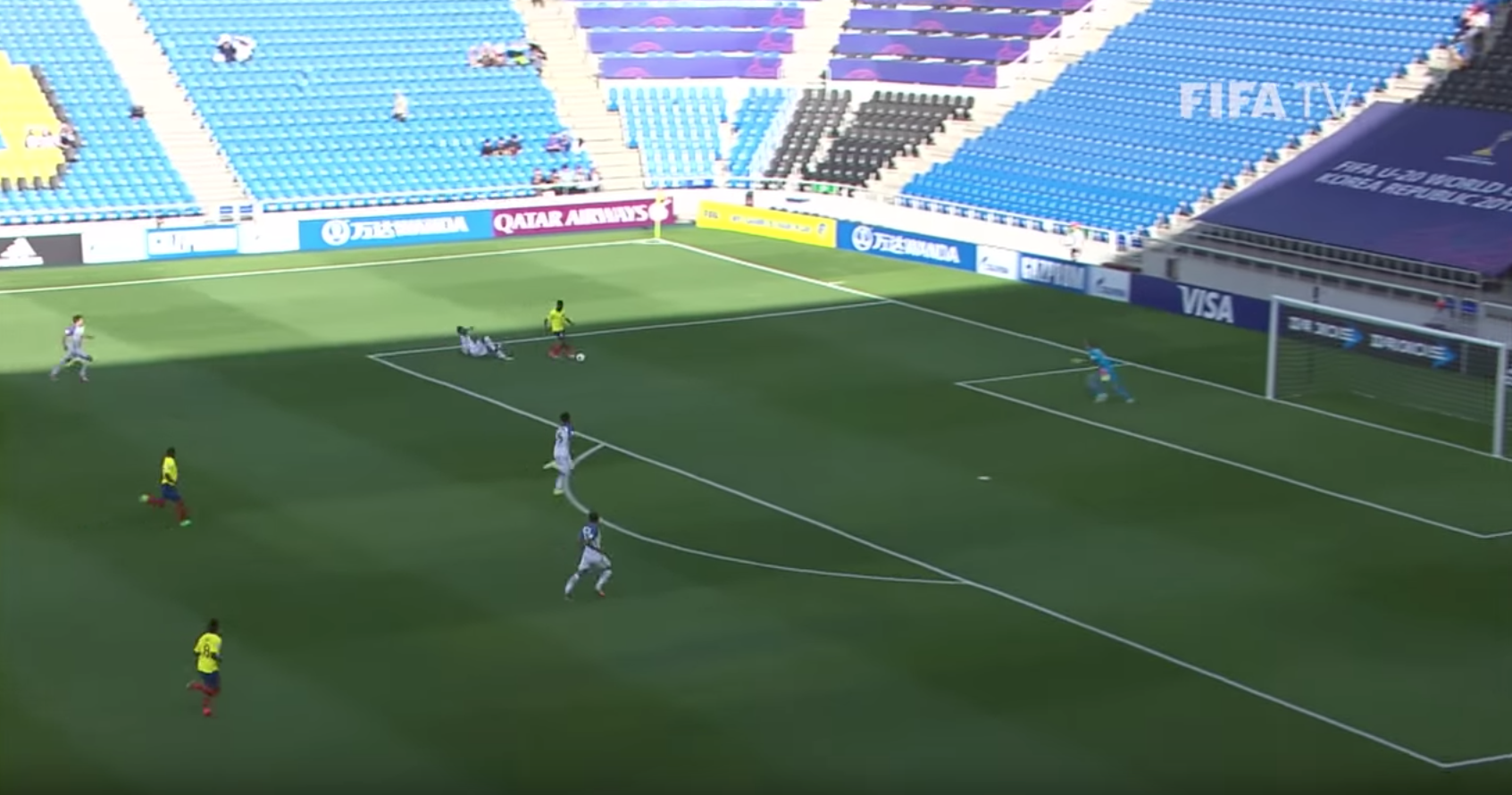
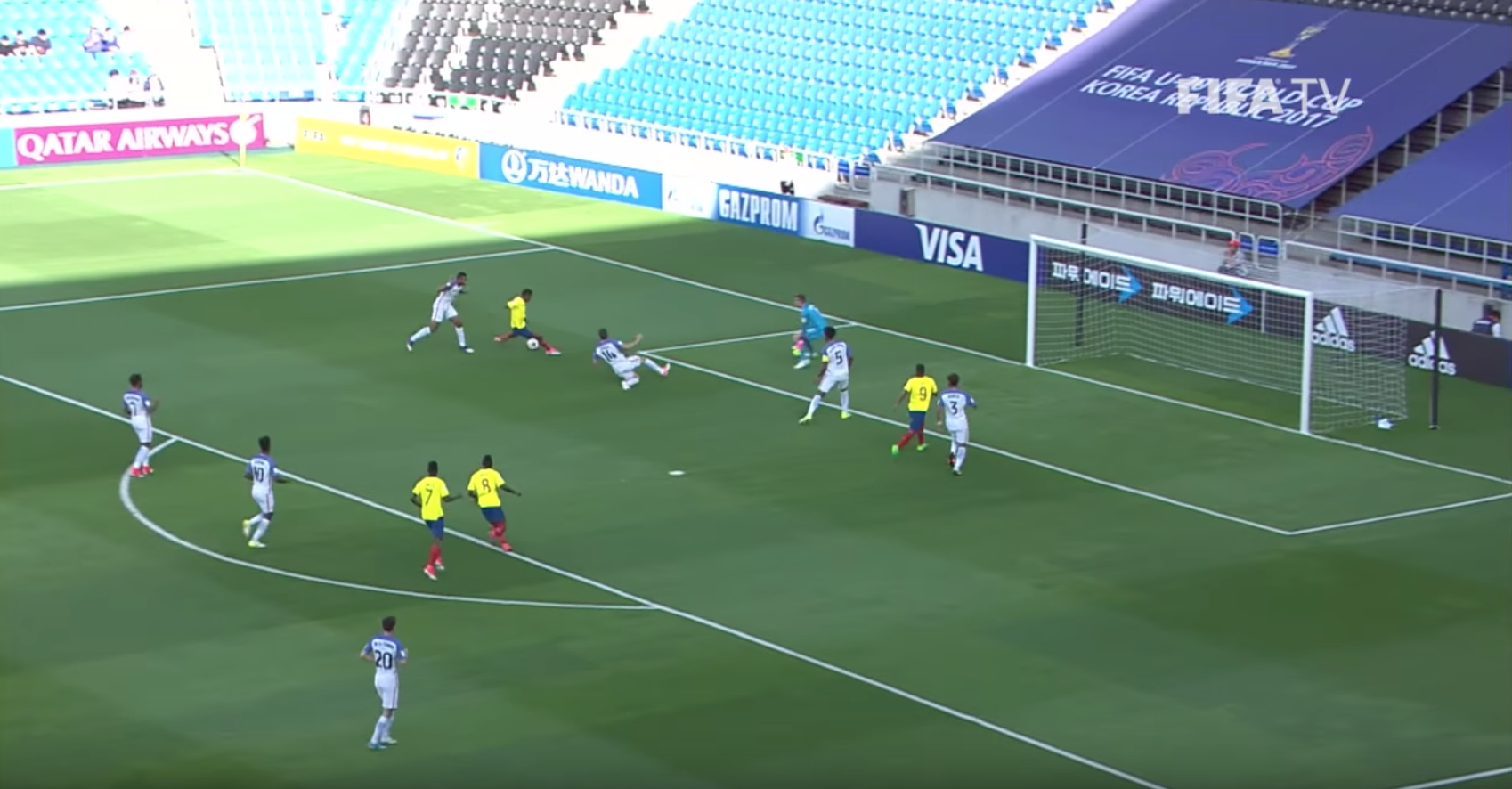
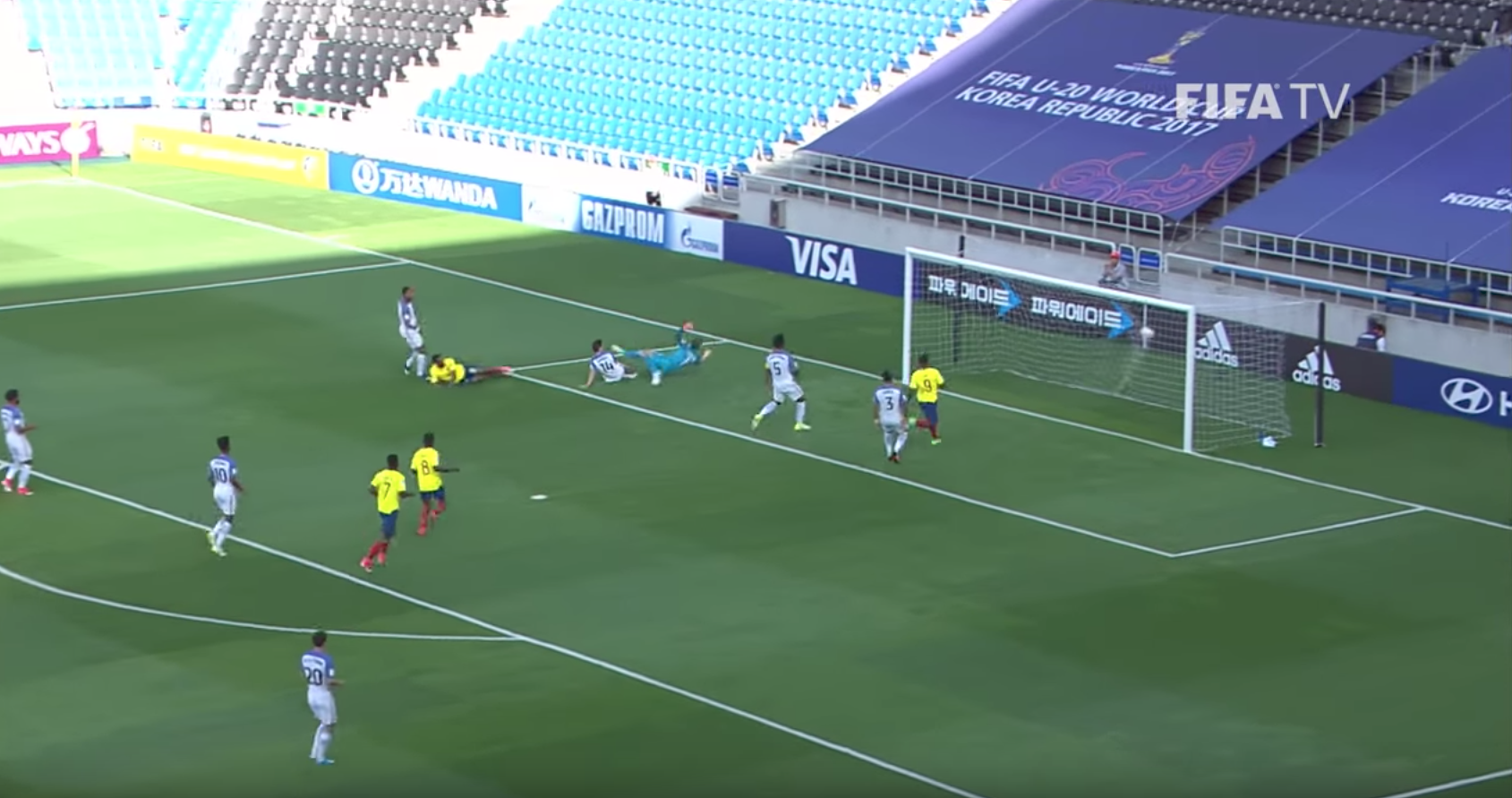
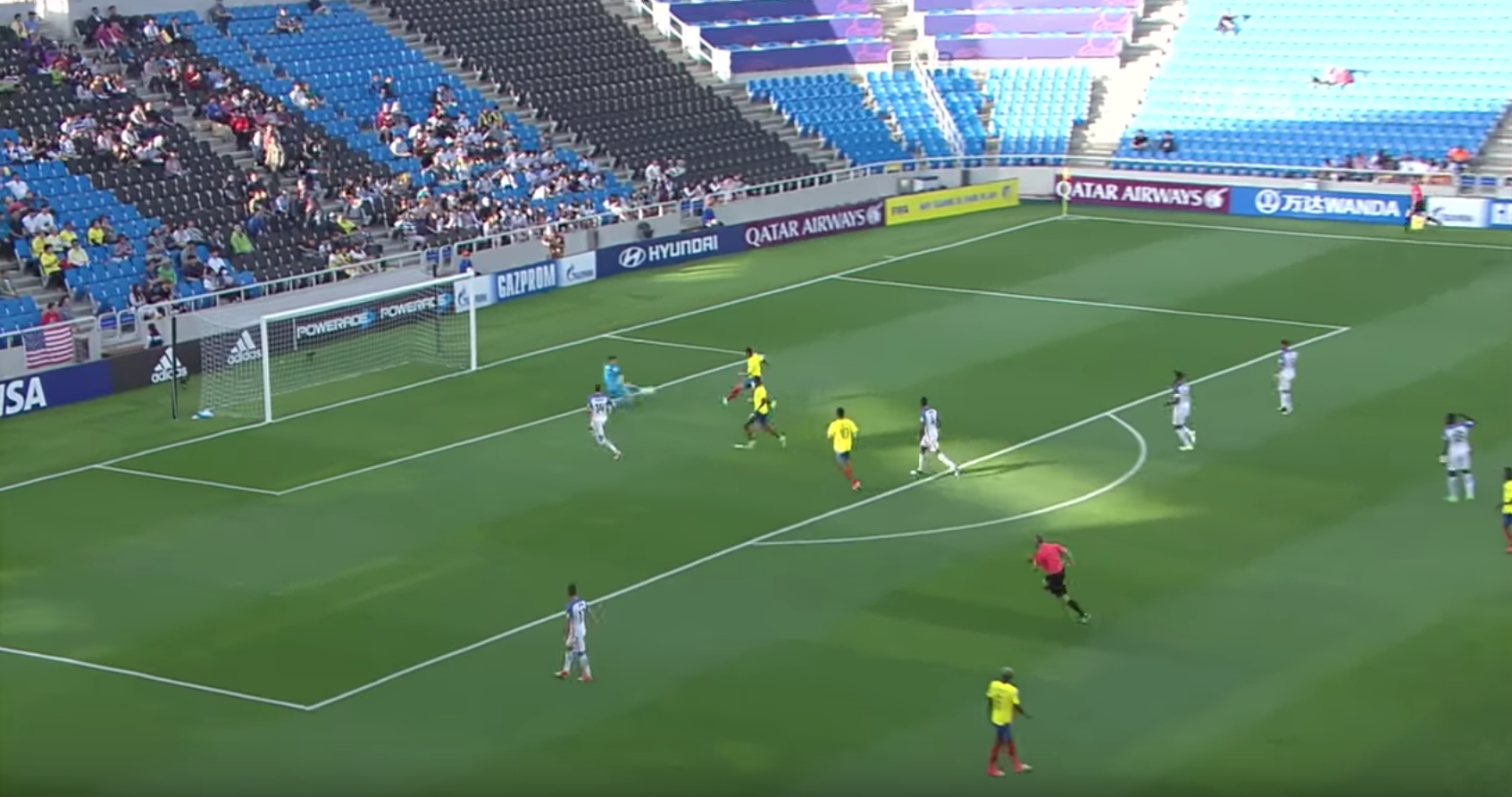
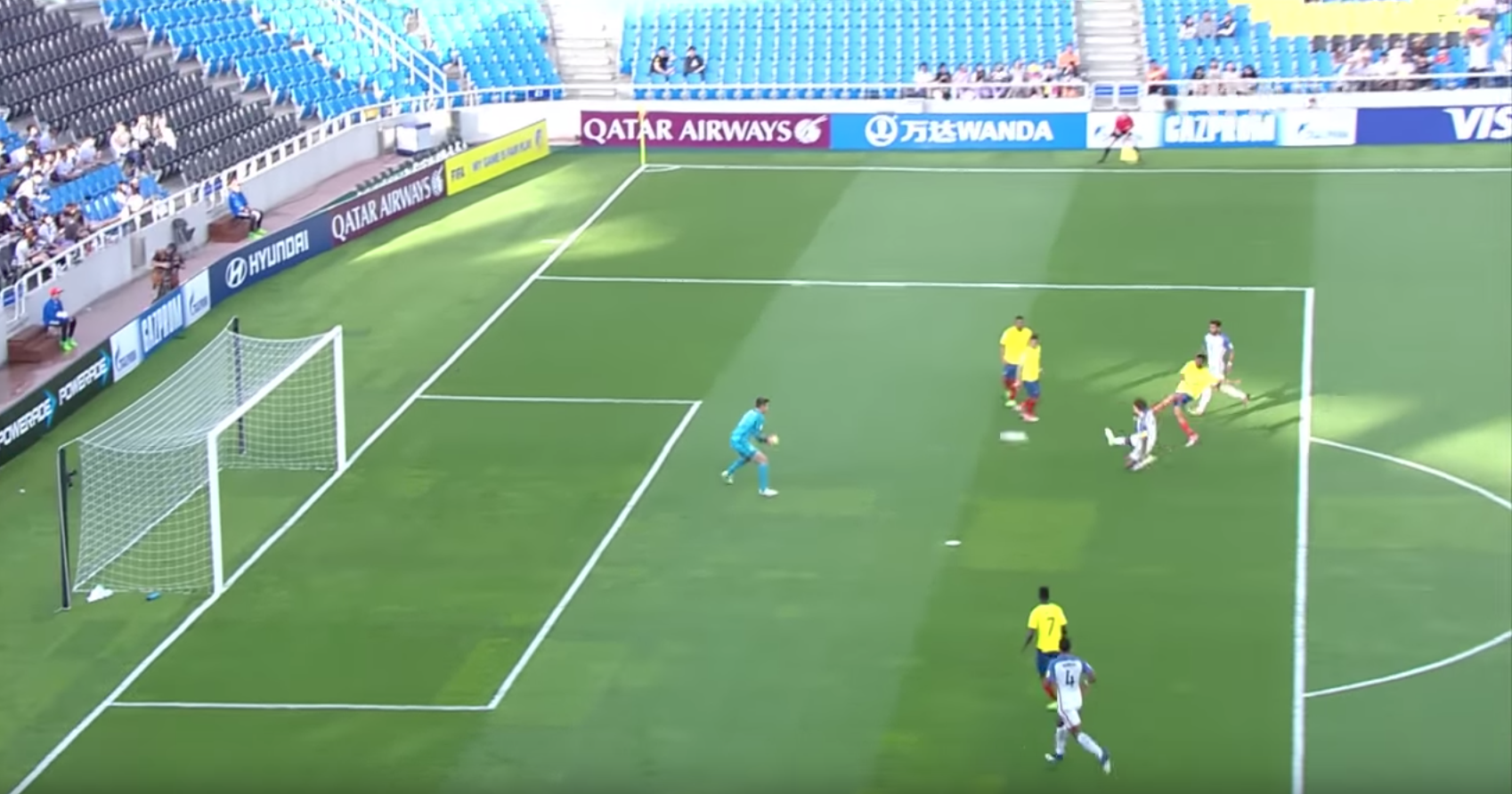
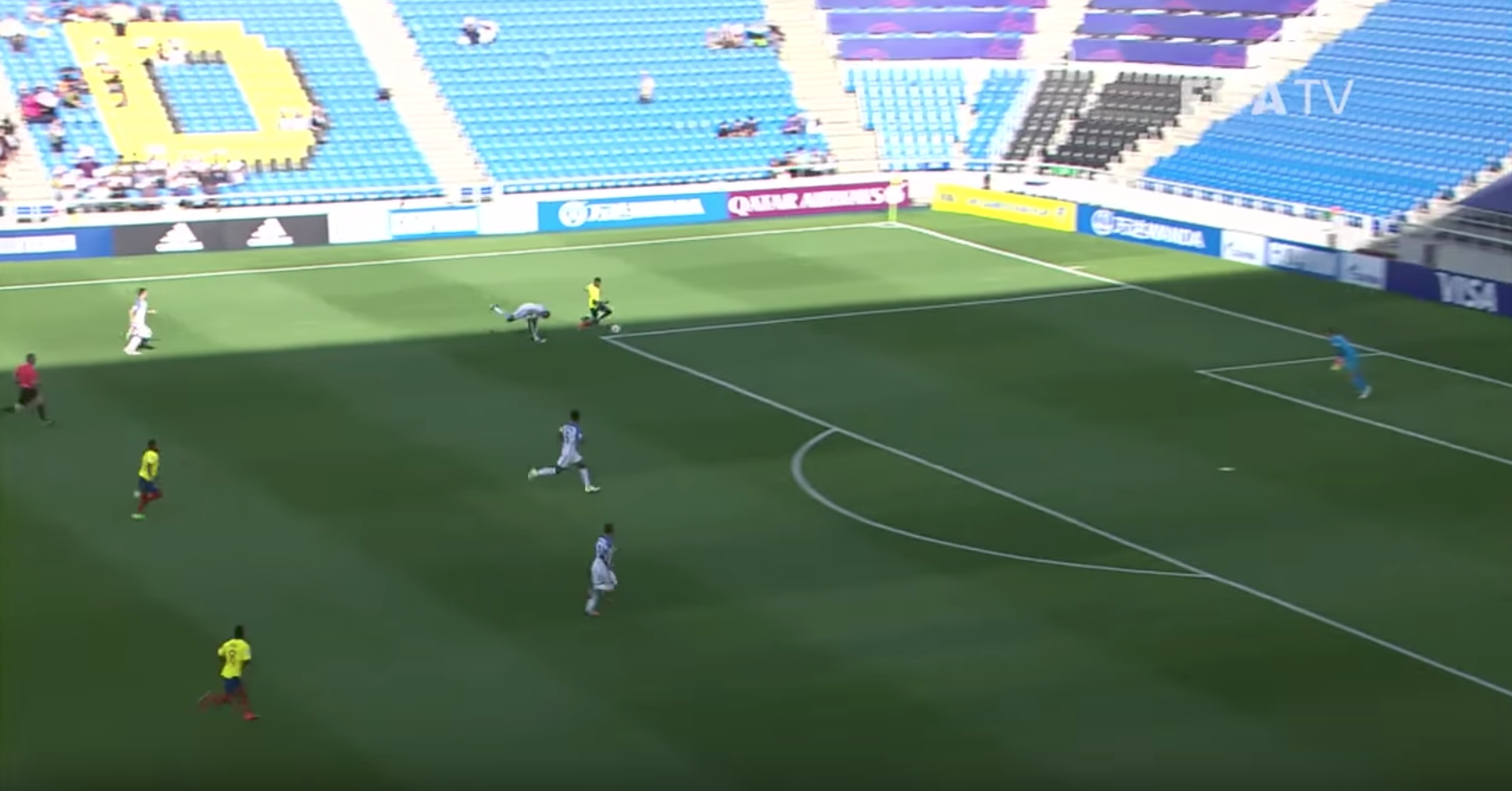
You know a situation is bad when your main defender is in the process of starting his first of two somersaults. It's a tricky situation for Klinsmann because if he stays home, maybe he should have gone and vice versa. In these situations, the decision comes second to the execution. There's a right and wrong way to attack and there's a right and wrong way to stay back. It's not realistic to expect goalkeepers to know how everything is going to play out on 1v1s. Ultimately, they must make a decision and execute it as best they can.

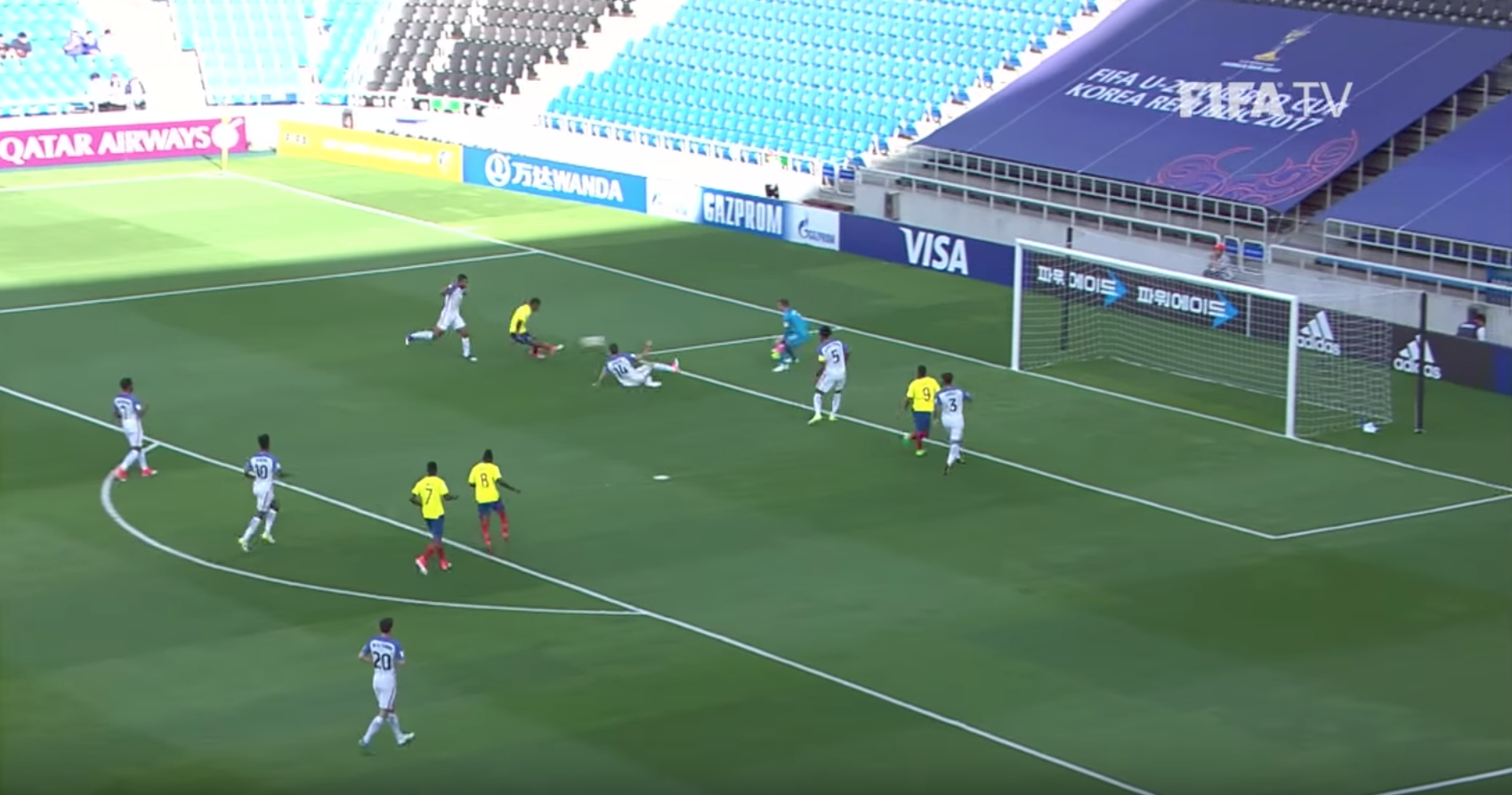
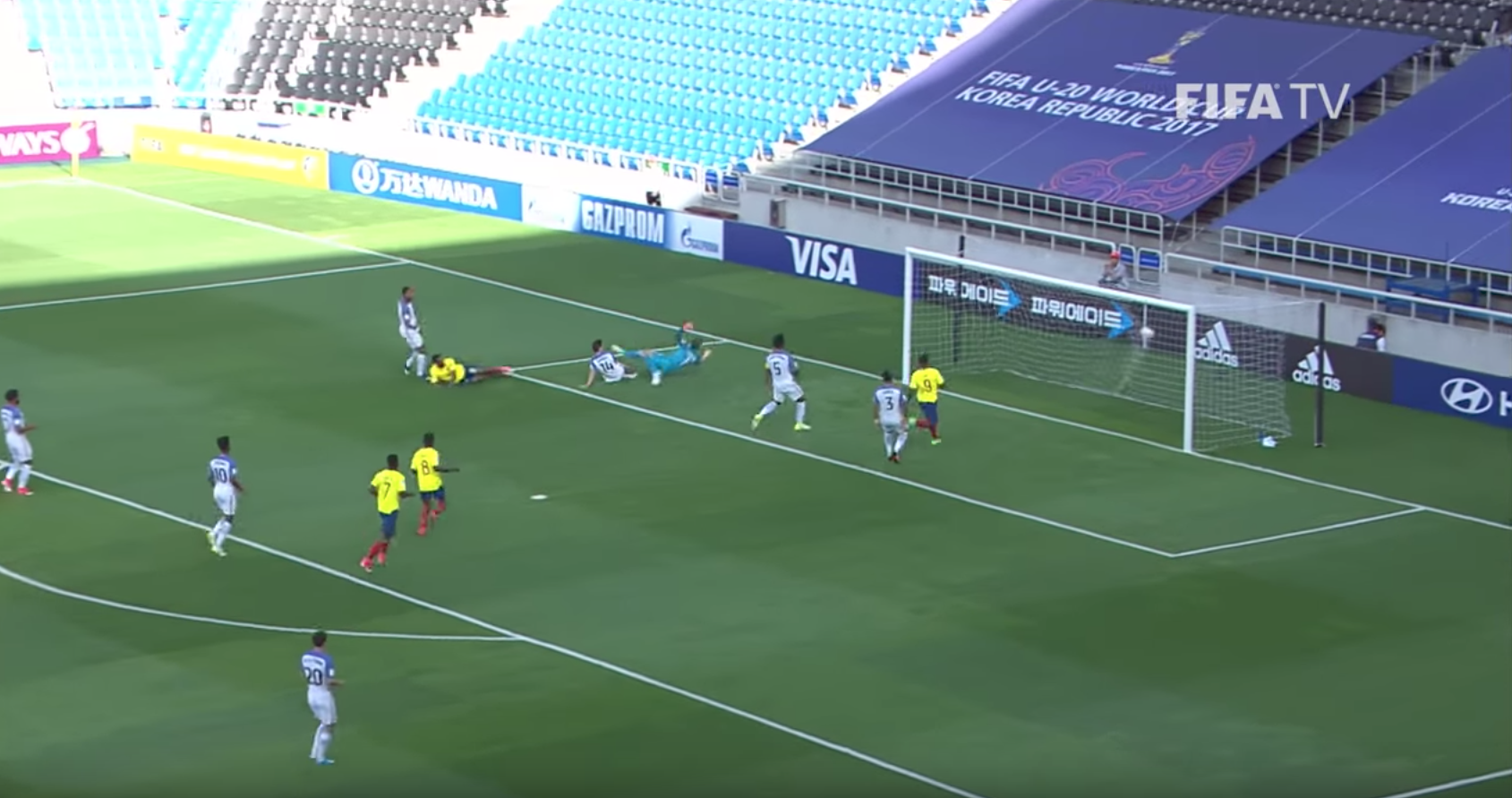
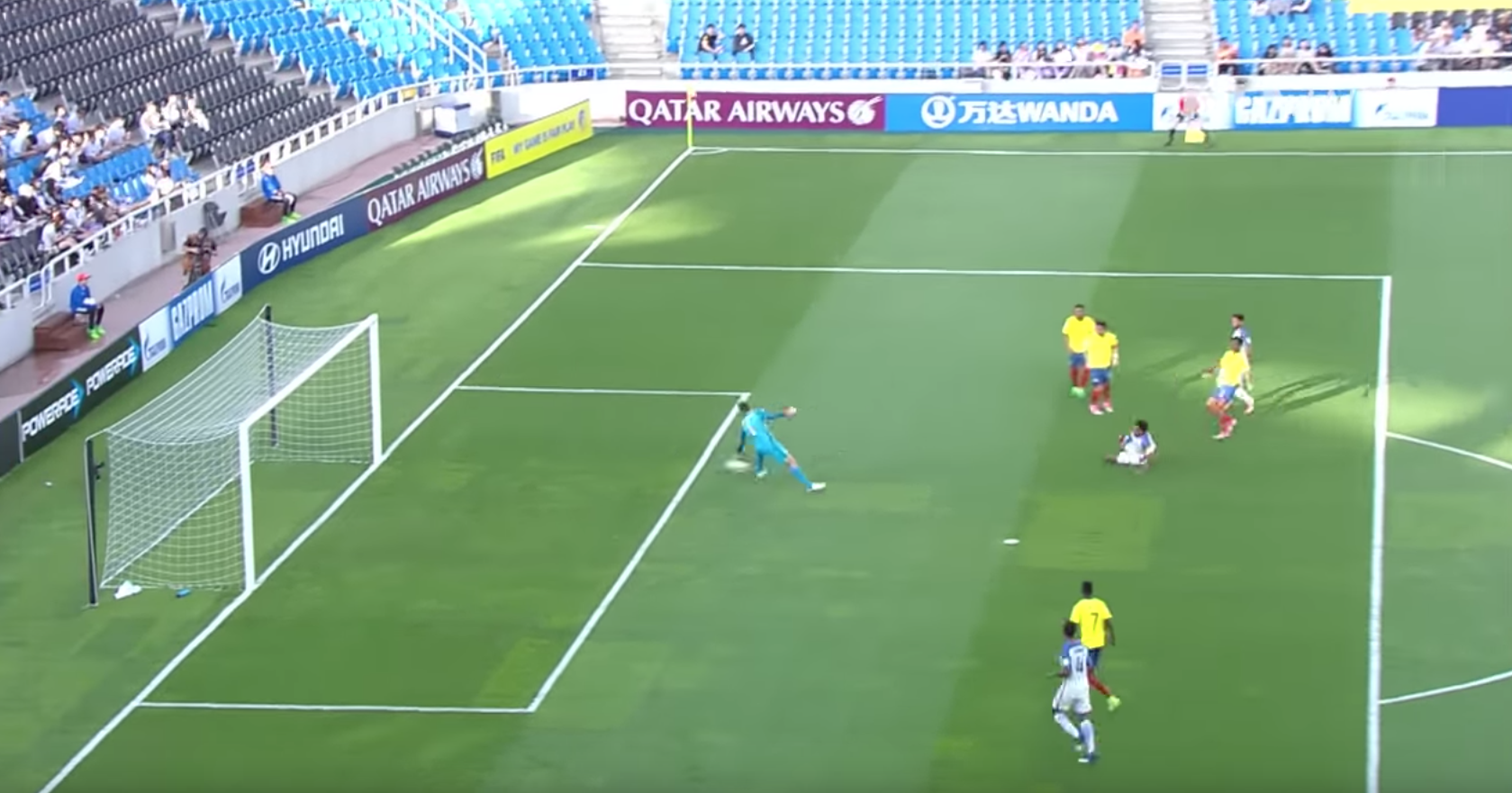
Klinsmann decides to step to the ball and his approach is originally thought out well. He steps to the striker (second picture) as a touch on the ball is made, which is the exact time a goalkeeper should step. The longest amount of time a striker has before touching the ball is right after his preceding touch. The longer a goalkeeper waits to step after a touch, the closer the striker is to his next touch.

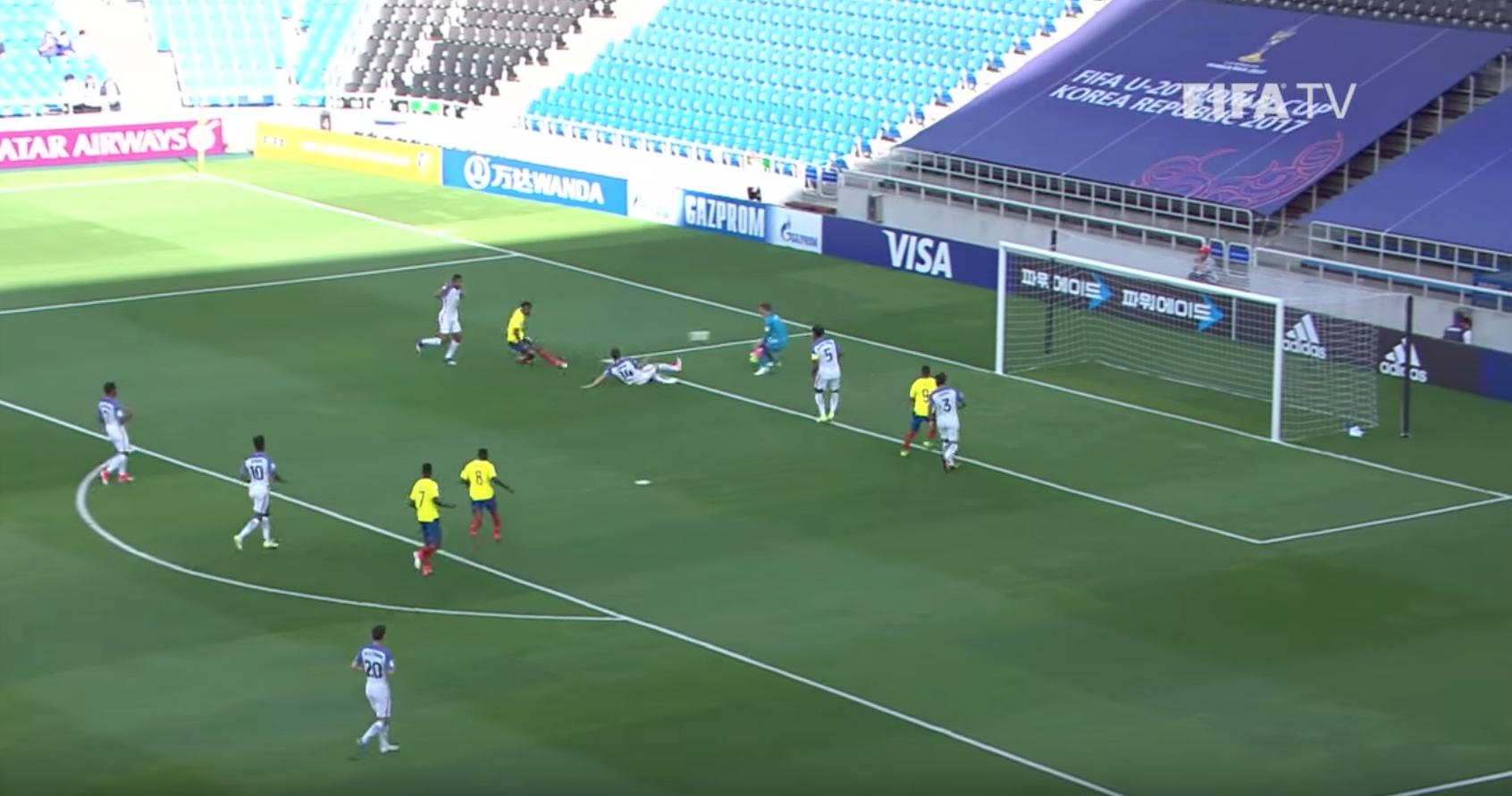
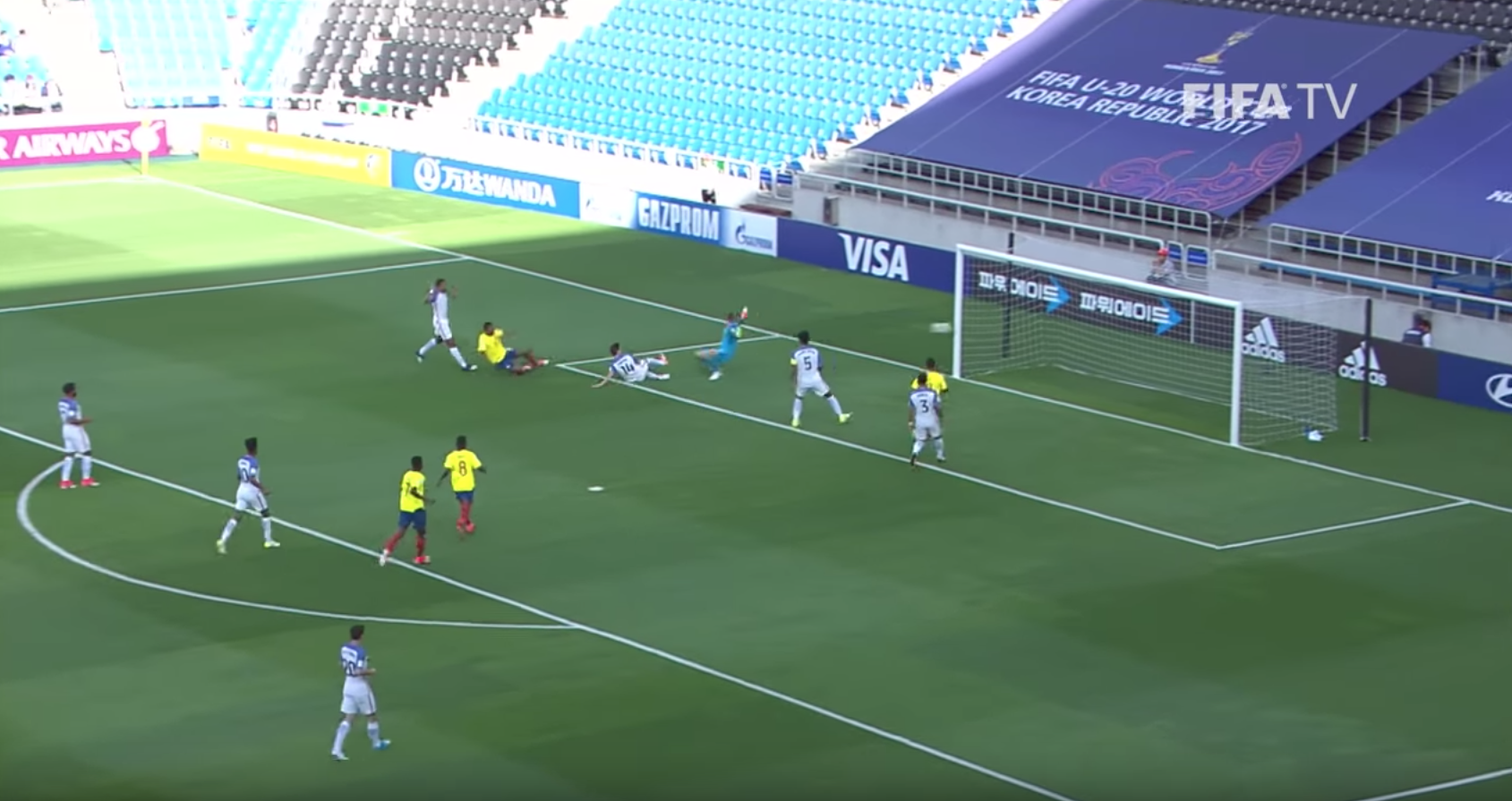
Building off the earlier point, Klinsmann's final execution is lacking. He makes up his mind very early to throw out a studs up one-footed tackle for an attacker who is going across Klinsmann's body. If Klinsmann throws his hands out low to his left, there's a high probability he knocks the ball away.

Additionally, Klinsmann is asking for a red card here. When accessing a referee's call on a play, a goalkeeper must limit the possibility of what a referee could call against them. Klinsmann does not receive a card on the play (personally the correct call) but it's very easy to see how a referee would give a red card to Klinsmann. Perhaps the touch doesn't lead to an open teammate and the striker goes to ground. We've all seen referees award red cards for similar plays and Klinsmann doesn't protect himself with an exposed one-footed slide that gets close to a scissor tackle.

It's an undesirable situation, but Klinsmann doesn't help himself as much as he could. A hands-led tackle likely stops the first goal and keeps the scoreline level.


Second Goal

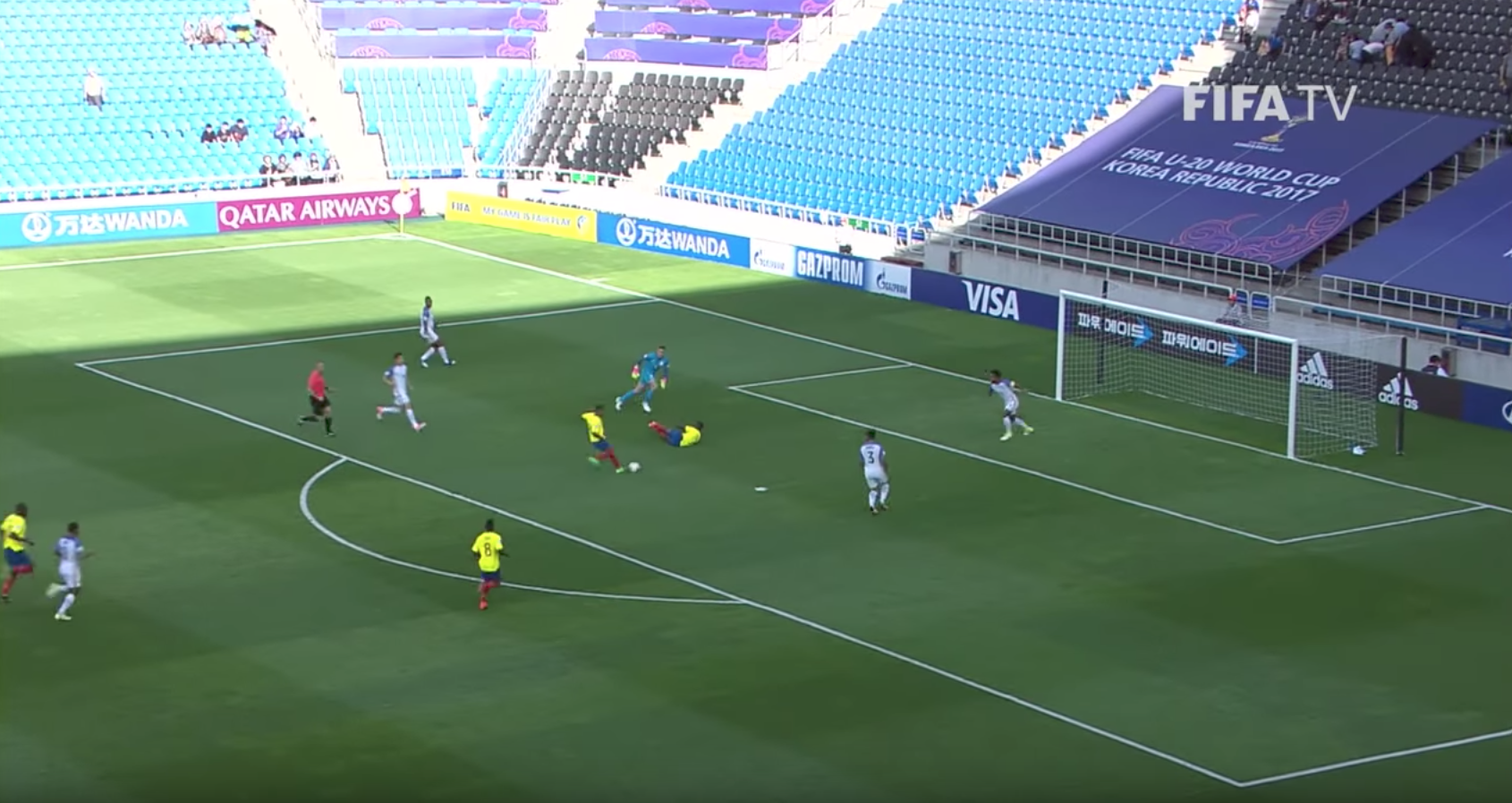
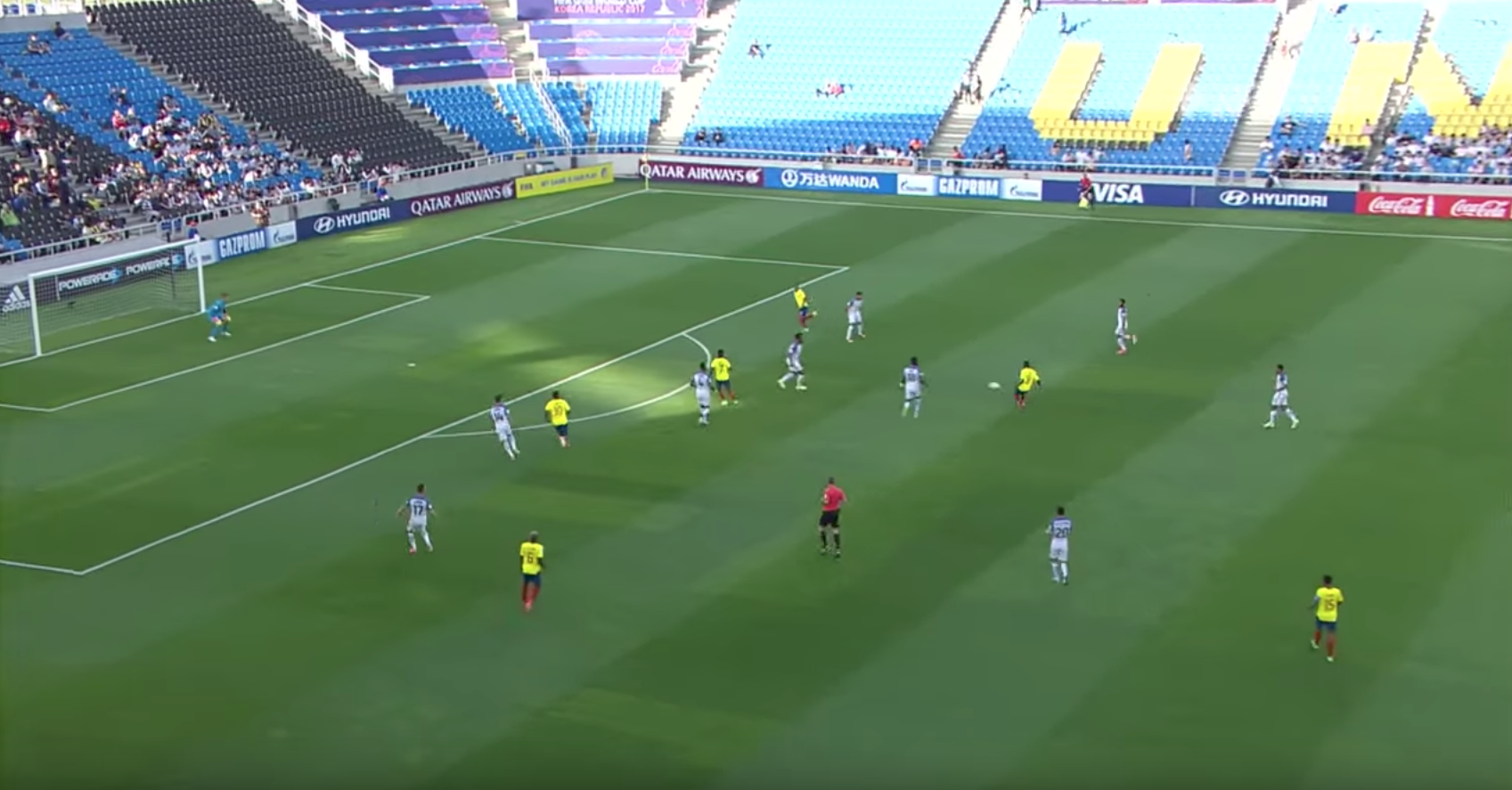
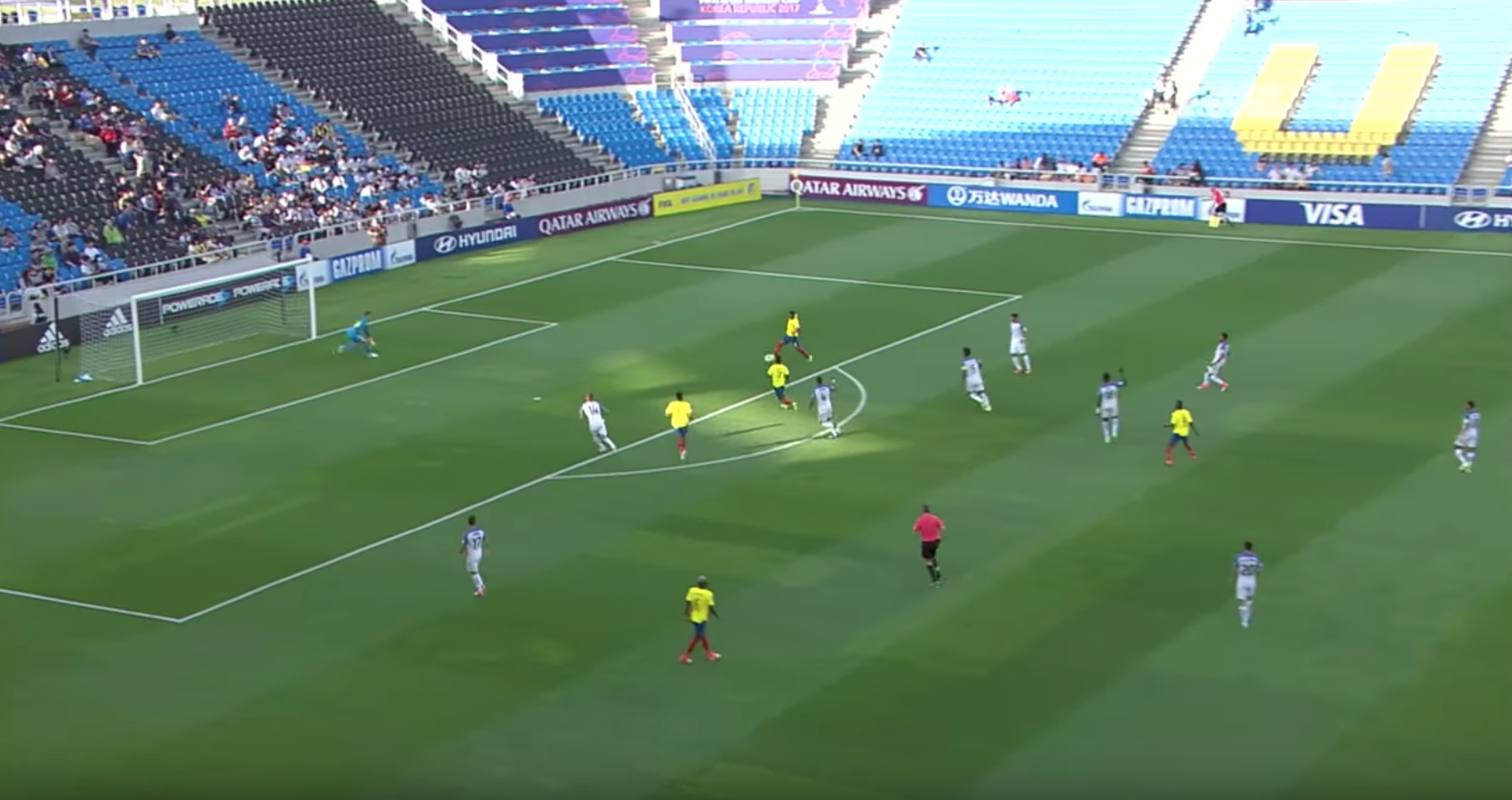
This is a great example of how 1v1 situations can be drastically different from one to the next. The Ecuadorian striker takes a long touch but because of the defender staying in the picture (despite ultimately losing out) Klinsmann doesn't have a clear road to attack the ball. If the defender were to have an opportunity to clear the ball but only receive a tackle from Klinsmann, the chaos could very well backfire on the American defense.

Klinsmann's decision to stay home isn't necessarily wrong, but his execution is problematic again. He creeps up on the play in order to be ready to pounce on an extra touch but inadvertently puts him in a version of "no man's land". He is too far forward to give himself time to react but not far enough forward to cut down the angle to any real value.

Even more concerning, Klinsmann's feet go cold at the exact wrong time. Notice in pictures 3-6 how slow he is to move. The ball is not struck far from his body (the bending shot hits close to the middle of the net) yet his feet's loss of movement stops him from moving his upper body in time.

His weight is also too far back. (Picture 4 looks like he's sitting in an invisible chair.) The only movement he can do is a hopeful leg thrown forward, which is entirely the wrong motion needed. His body falls backwards, into his weight.

I'd like to see Klinsmann stay a step back here to give himself more time to react but the bigger issue is his feet. If his heels rest on the play (aka "cold feet") he makes the play ten times harder on himself. His upper body can move quicker if his feet are ready to spring but he's cemented himself in place. For a shot not hit far away from his body, it's a play that a goalkeeper of Klinsmann's caliber should be able to do more on.


Breakaway Save

For a game that was 2-2 with only 30 minutes left in it, it's hard to be critical of any save. Klinsmann forces the shooter to a take a shot into his body and the US were let off the hook for bad defending. However there are some worrying signs on the play.

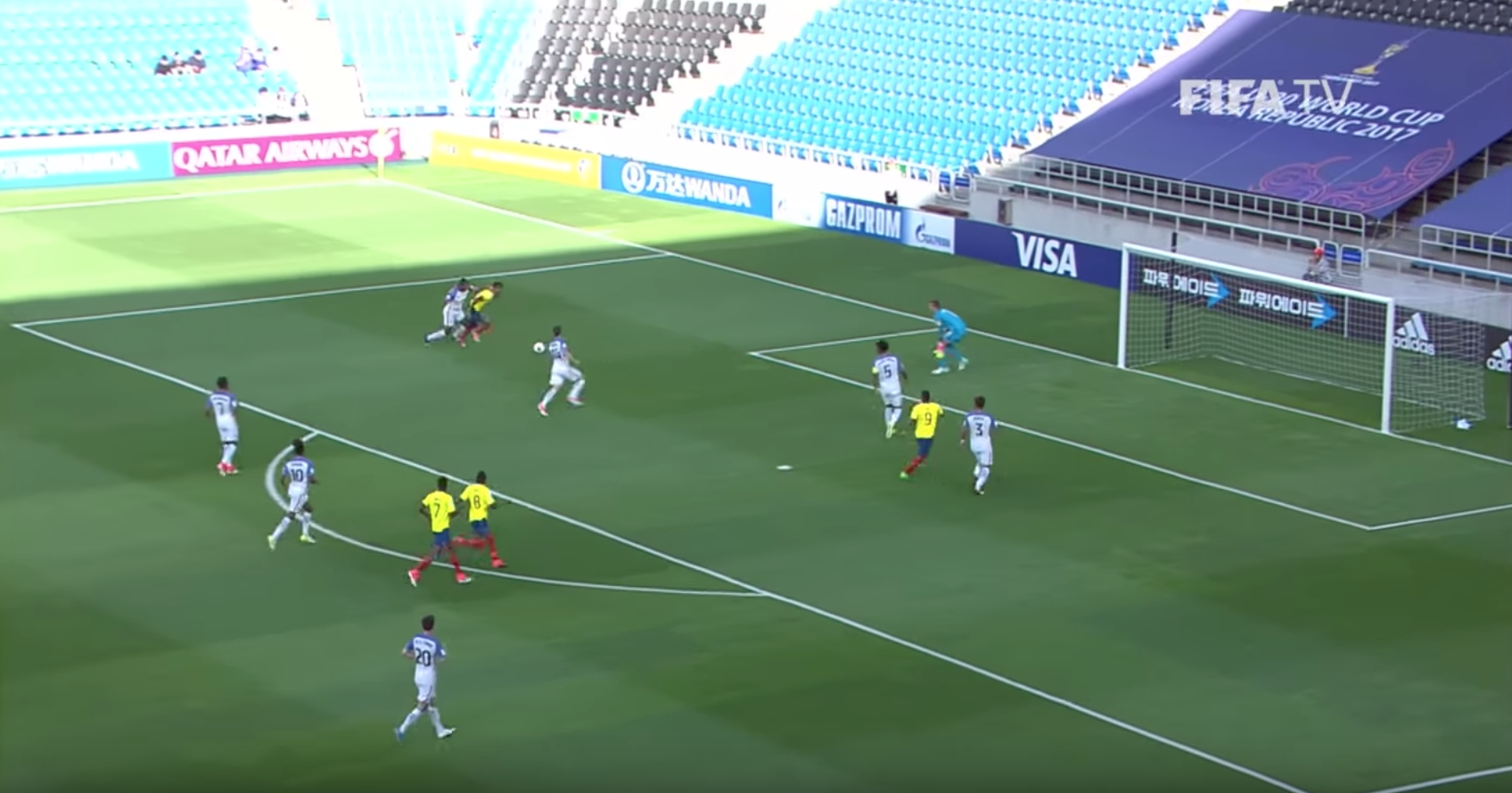
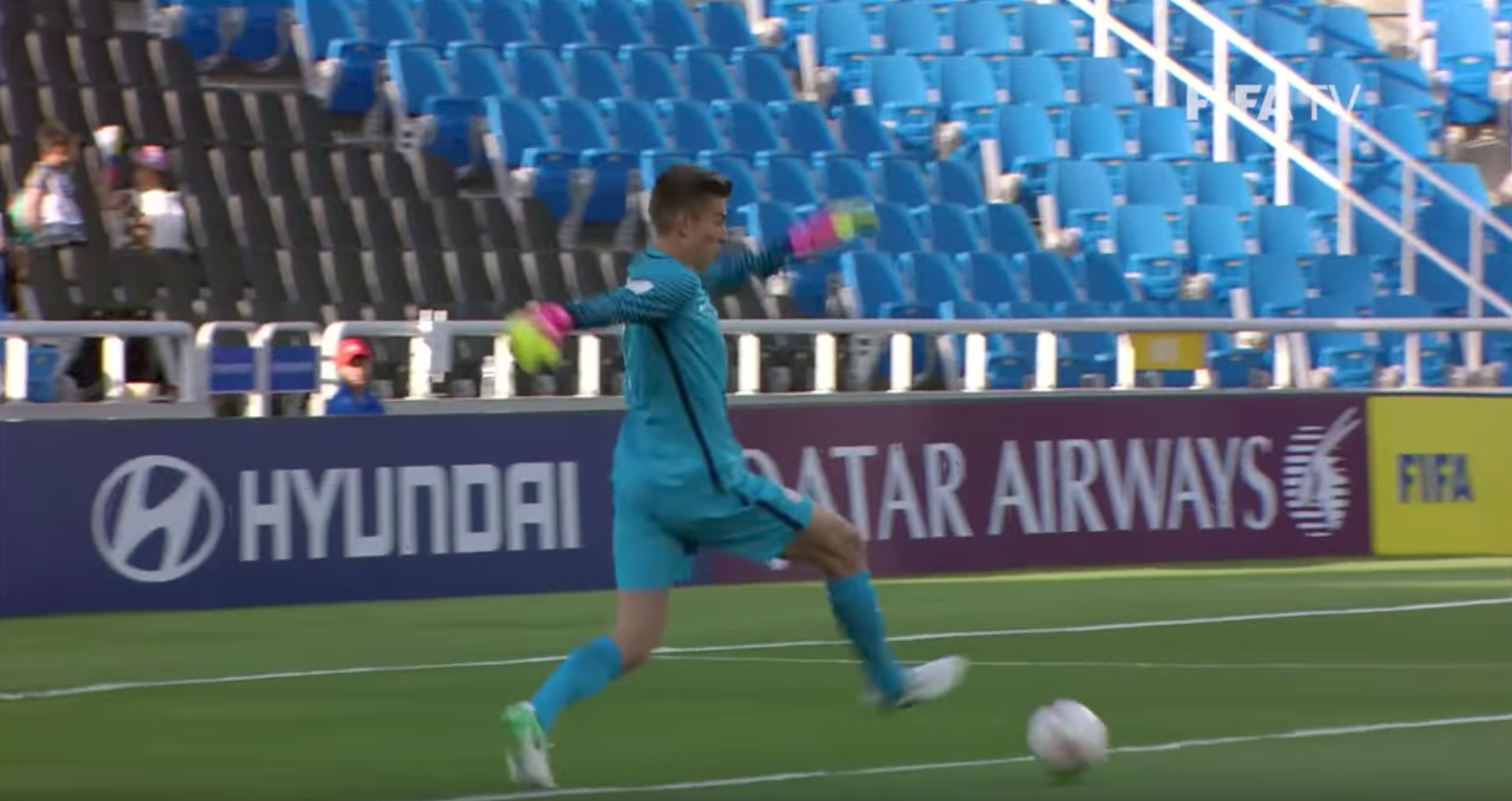
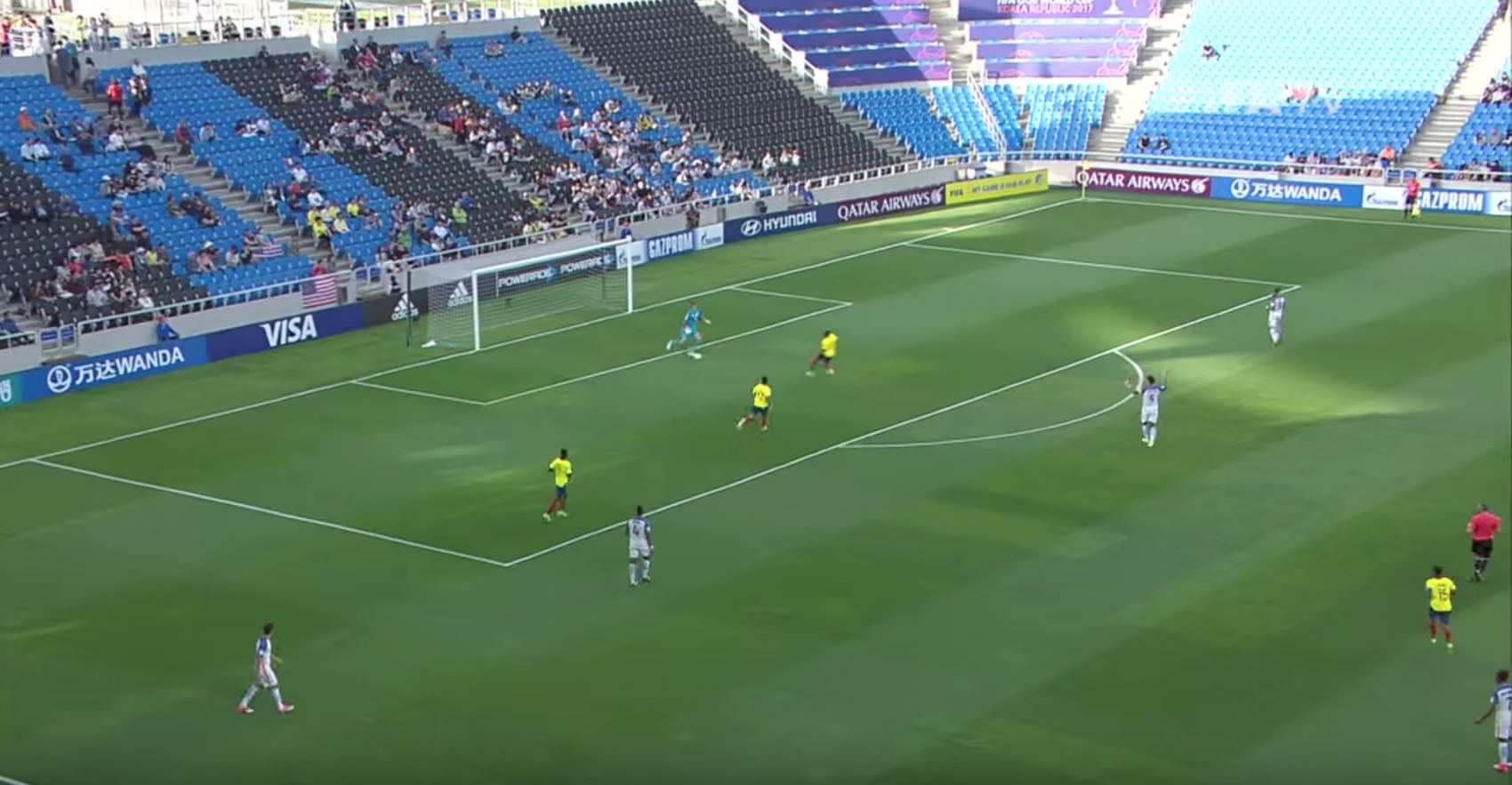
The offside trap fails, as always, because of one defender. Unfortunately Klinsmann gives no verbal warning of the sneaky striker and appears to have no idea he's even there. Notice how Klinsmann goes to collect a long through ball only to realize there is a perfectly timed striker heading towards goal. (Second picture, Klinsmann is correcting his wrong step with his right foot. The misstep is displayed better in video.)

It's a fine save, but Klinsmann needs to keep an eye on backside runs to limit chances on goal. A goalkeeper should look to be preventative when dealing with shots and only have to make the saves when previous attempts of communication have failed.


Third Goal

Finally we arrive at Klinsmann's worst mistake. Needless to say it's a mistake that Klinsmann will be criticized for some time and honestly there is no protection for Klinsmann here. Some may argue that he shouldn't receive the back pass or that his left back should have opened up more for him, but the error is solely on Klinsmann. Players constantly receive undesirable situations but their redemption is rooted in if they made the best with what they could. Klinsmann, in contrast, makes a bad situation even worse three times over.

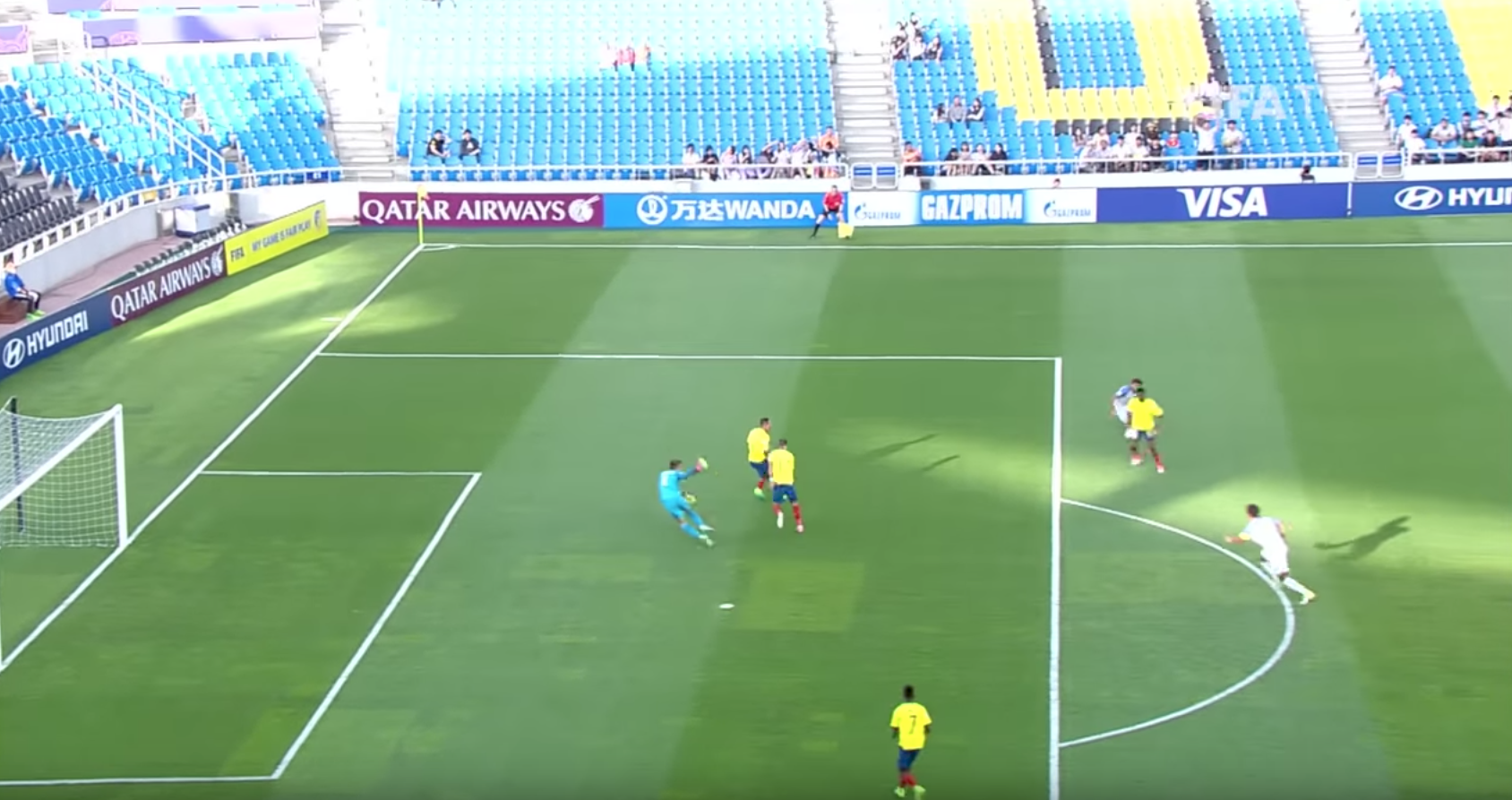
First, Klinsmann's starting touch is across his body with right foot (second picture). The awkward trap loses time for Klinsmann and sends out a loud alarm to defending attackers that the goalkeeper can't play with his left foot. A confident left footed trap dissolves the situation, despite little help from his teammates.

Klinsmann's second mistake is found in his following touch. Recognizing that he has no realistic options and is surrounded by yellow shirts, he must place the ball into the stands. Even if this results in a corner kick for Ecuador, at the very least the US could set up to protect the goal. Instead, Klinsmann tries to take another touch to round the first defender to little success.

Lastly, after Klinsmann has gifted the ball back into the opposition's possession, he panics in retreating to the goal. There is no time for Klinsmann to achieve better positioning. He must stand his ground and do what he can from there. The seven or eight backwards steps transform Klinsmann into the equivalent of a traffic cone. The shot is not struck far from Klinsmann (see last pictures) and if he does not backpedal, or at least limits the number of steps he takes, he can likely make the save. 

Perhaps the most frustrating part, Klinsmann looks completely defeated after the goal. His teammates already know he has messed up - everyone in the stadium knows in - there is no need to confirm a sense of disappointment in the play. There will be plenty of time to feel sorry about the mistake after the game. In the middle of turmoil, a team needs their goalkeeper to get them back on track, not mope alongside them.


Who Should Start for the U20s?

In true USYNT-form, we're left with one seasoned goalkeeper and a handful of untested backups. JT Marcinkowski has seen one game with the U20s in a throw away match, so it's hard to say how he would perform. For those who have watched him at Georgetown, he's performed very well but it's not necessarily a 1-to-1 transition to the U20s.

Ultimately there is a lot of information fans don't have. How does the player chemistry differ from Klinsmann to Marcinkowski? How did Klinsmann respond to the team after the game? In the next practice? Was the US's third goal a rally from the team's respect for Klinsmann? Has Marcinkowski put himself in a position with the team to confidently take over the starting spot? What do the coaches know about the goalkeepers that we don't? There are several questions we just don't have the answers for.

There's a strong possibility Klinsmann will be benched for the second game, but calling for it is admittedly based off a slice of information. Perhaps the bigger problem is that Marcinkowski hasn't had the opportunity to show his value. If we're worried that Klinsmann won't give his teammates confidence in the back, Marcinkowski's lack of game time doesn't solve that problem.

Five Things We Learned From US Goalkeepers Last Week

cover photo belongs to Brad Rempel

Chelsea Are Better Than Middlesbrough

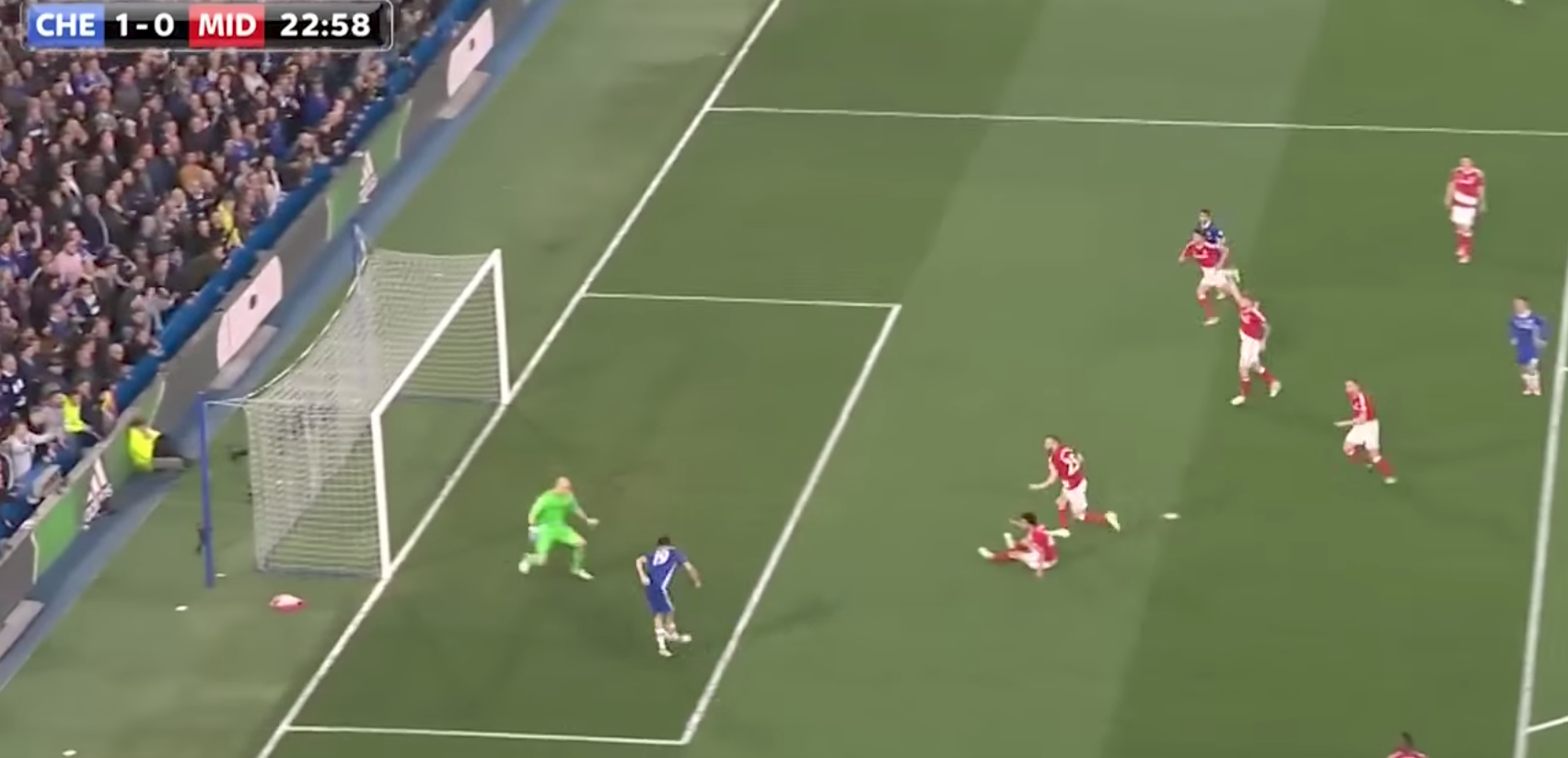
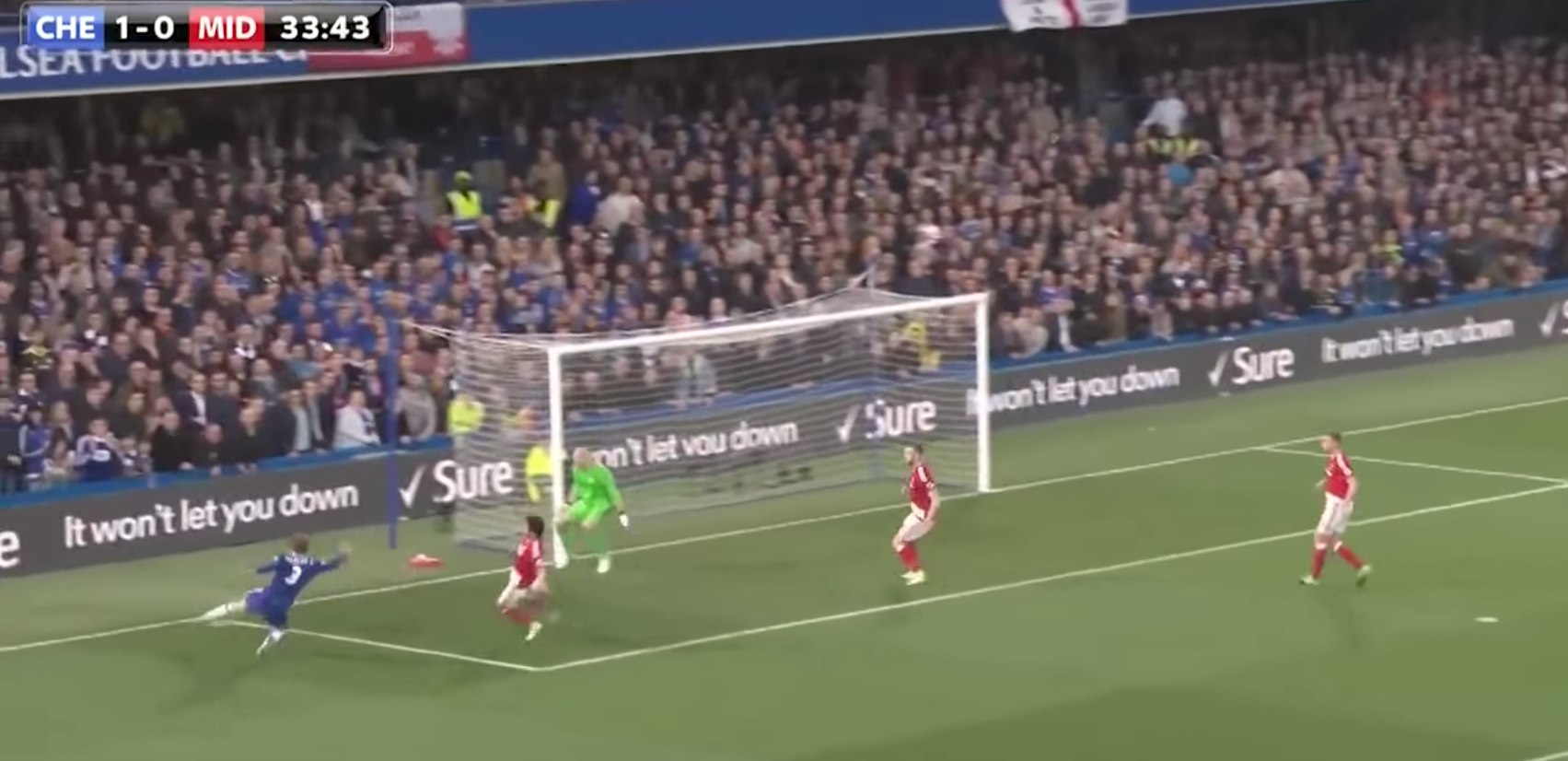
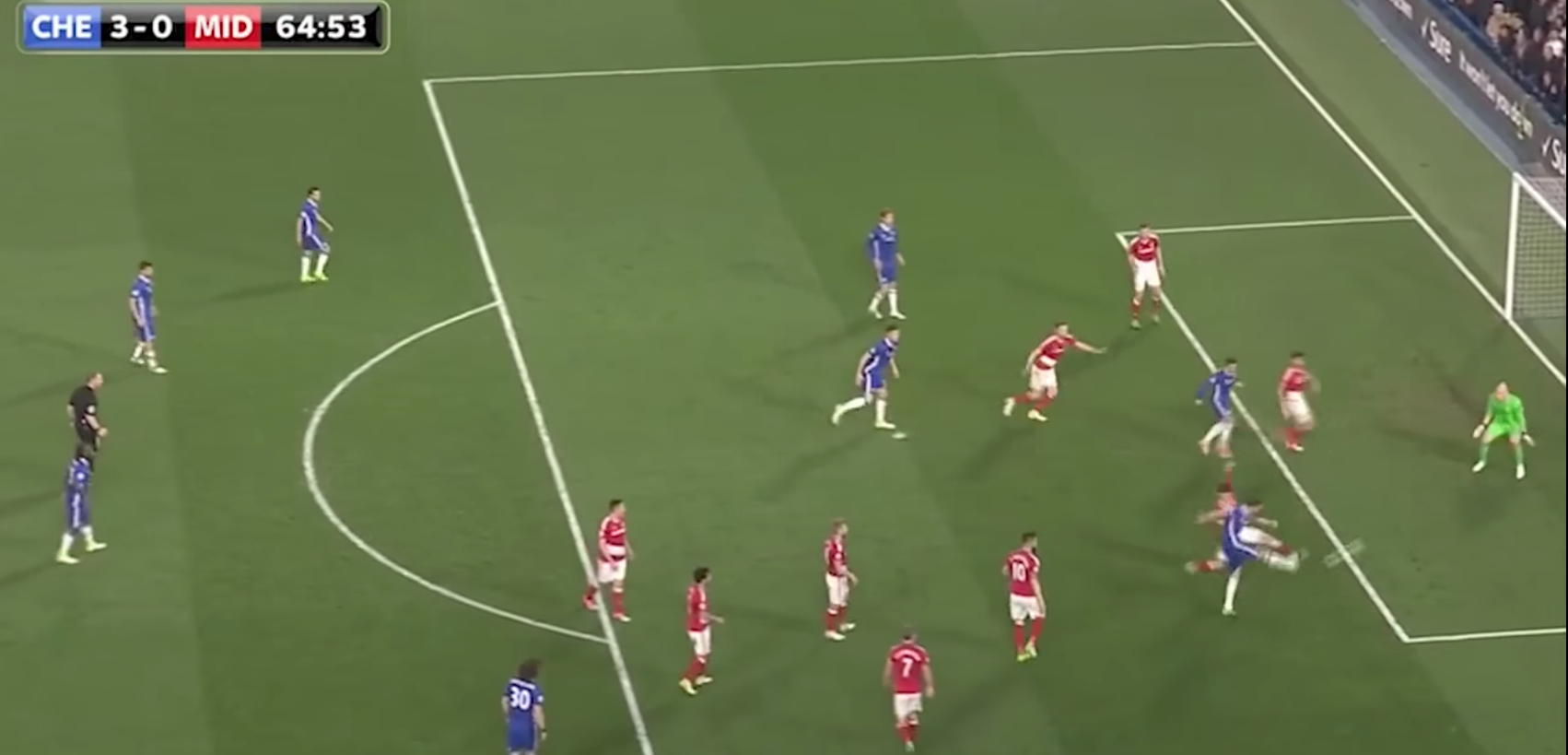
As Middlesbrough fell 3-0 to Chelsea last weekend, Guzan was the focus of fans' displeasure. All three goals game from shots that went between Guzan's legs and while it's not the most ideal way to concede a goal, it's also not the easiest shot to save. All three shots came within five yards (see above pictures) and from England's premier team. Moving a foot to cover the five hole runs counter to the typical motion of moving forward or setting feet wider. Guzan should have stopped at least one of those - specifically the second one - but the save isn't as easy as it looks.

For Atlanta United fans who may worry about Guzan's performance, take solace that Guzan is getting bested by England's top club, not DC United or another MLS team. Having Diego Costa slip one past Guzan's five hole just doesn't have a comparison for MLS and he should transition fine in MLS. Guzan may not be the elite goalkeeper that some want him to be, but he's also not the bottom rung.


Club Brugge Fans Are Surprisingly Faithful

Play starts at 5:31

Despite the 3-1 win, Ethan Horvath conceded probably his worst goal in his professional career. As a through ball outran its target and ended up in an easy collection for Horvath, he immediately set the ball on the ground and looked to play out from the ground. To Horvath's surprise, a striker stole the ball and shot on the open goal. Horvath pleaded with the ref after mistaking a whistle from the crowd but the goal stood.

Brugge fans were immediately supportive of Horvath over the gaffe, knowing his ceiling is much higher than what they saw last weekend. Horvath's error is from misunderstanding the environment, not poor technique, and doesn't call for worry. Horvath is set up to be the club's number one next year and rightfully has already put the mistake behind him.


Melia Isn't Rattled About Poor Situations

Play starts at 0:45

In the 28th minute, a Sporting Kansas City defender turned the ball over thirty yards from goal. As Red Bulls' forward Fredrik Gulbrandsen took a large touch towards goal, Melia stayed back to prepare himself for the ensuing shot. Confident in his ability, Melia didn't feel the need to carelessly rush out there.

We've seen a goalkeeper sprint out for the tackle only to be lobbed or chipped for a goal a hundred times. Melia recognizes he has a defender sliding in and that there's a good chance the shot won't even land on frame. It's still a fantastic shot from Gulbrandsen, especially considering the limited time and space to put an attempt on goal, but Melia has prepared himself to cover what he can. This results in an even better save from Melia, in large part due to his confidence to handle whatever's thrown at him.


Harris Not Ready to Give Up

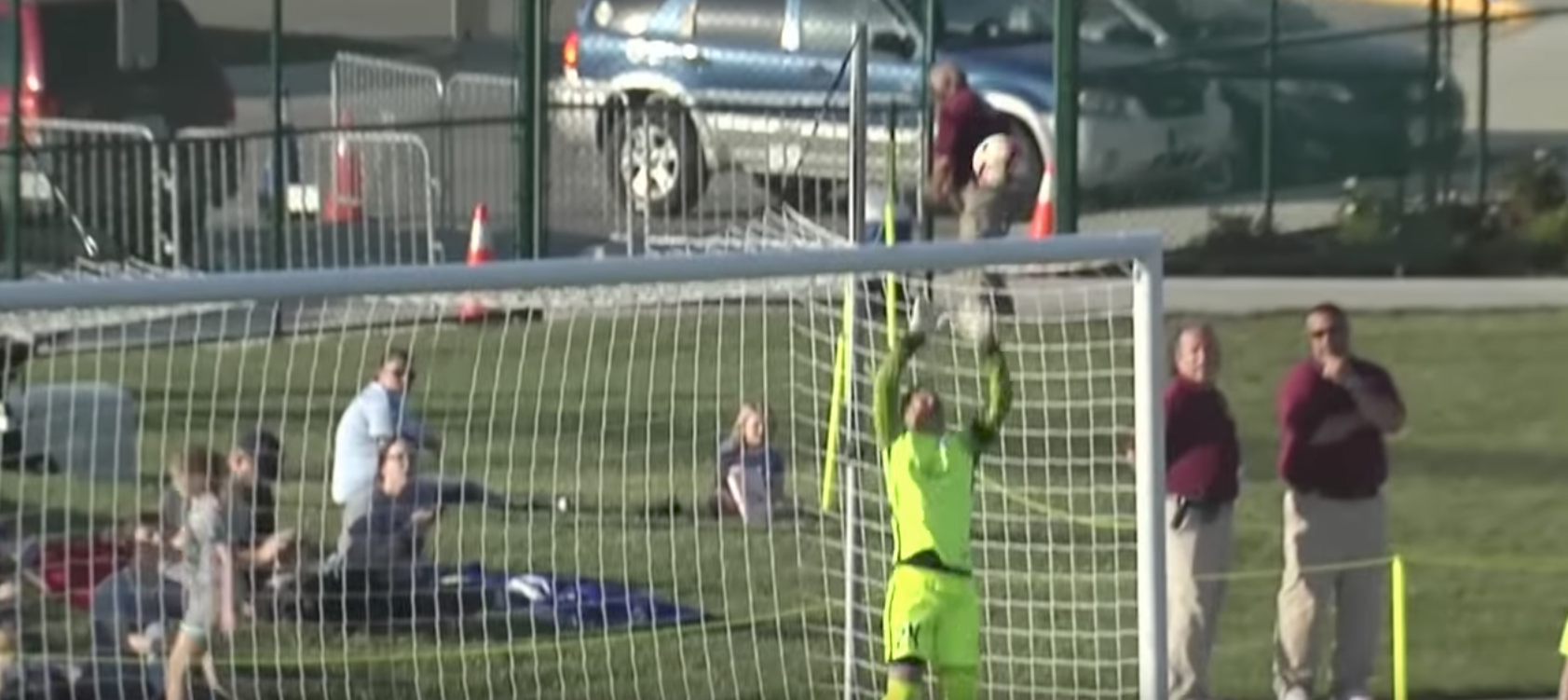
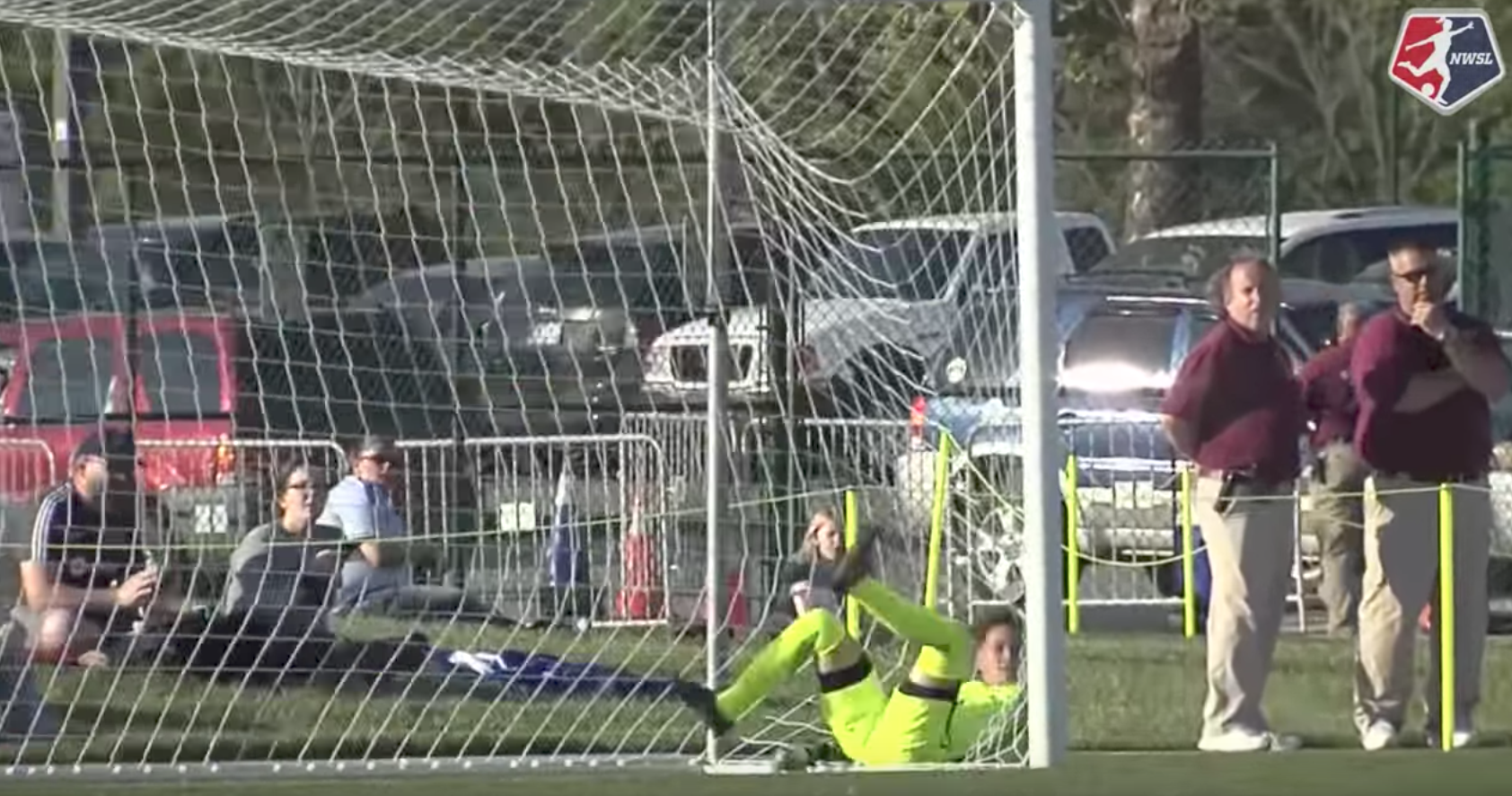
Ashlyn Harris notched a save of the week nominee but not without risk on her part. As a flighted ball is sent in towards the crossbar, Harris tries the exact same technique that Andre Blake used against David Villa's 50 yard goal. Fortunately for Harris, the poor technique doesn't sink her as she gets herself back in position to make the save on the second shot. (Watch some fantastic angles on the play here.)

It's an easy fix for Harris to avoid the situation. If she uses her right hand to push the bar over the crossbar, her defense can calmly set up for the corner kick. Despite the misplay, her concentration on the rebound is astounding. Even as she is tumbling into the side netting, Harris keeps an eye on the ball (second picture). The concentration is a great example of reacting to poor situation and not giving up when things look grim.


Shuttleworth's Response to Kasey Keller

In an article with ESPN, Kasey Keller was critical of goalkeeper development in the US last month.

We’re not developing guys, and technically, we’re not doing as well. I think we went from pressure training, pressure training, pressure training, and we weren’t doing anything else. Then we went to this idea of everything has to be about technique and [slowing the pace of training]. I think what we’ve done is we built guys who could compete mentally, who could go out there and fight for things because they were so used to being beat to hell in their training regimen. Now guys, you can see when they get put under pressure, they crumble.
— Kasey Keller

In an attempt to corral a lose ball, Shuttleworth took a kick to the face from Dom Dwyer. The result was a swollen nose twice its normal size. For a new team that needs all the stability it can take right now, Shuttleworth fought through the pain to keep his team - and shutout hopes - alive. If Shuttleworth had called for a substitute, it would have been completely understandable. Instead Shuttleworth fought through the pain and it's going to be something the team remembers for the rest of his career. While some may not be thrilled with American goalkeepers' ability to push through tough situations, it clearly doesn't apply to Bobby Shuttleworth.

Eight Things We Learned From US Goalkeepers Last Week

cover photo belongs to Jason Getz/USA Today

Eight? That's right! Last week was so jammed pack with goalkeeping highlights (and lowlights) that we needed more space to cover it all. So let's get to it!


1. Poor Overhand Technique Strikes Again

Watch the play here, starting at 2:07

Once again MacMath attempts the overhand save to no success. His footwork complicates the issue with a needlessly wide stance that limits any lateral movement, but the hand motion is a returning issue. Like we addressed last week, some believe the overhand save can do nothing better than diving with the nearest hand can.

There's definitely a valid point to the claim. Perhaps the better way to phrase is that a goalkeeper needs to find what works for him or her. If the overhand save isn't working, the goalkeeper can't expect it to just magically fix itself. For some, diving with the nearest hand might be a stronger option.

Personally, the overhand save is so similar to the over-the-crossbar tip (when a goalkeeper has been chipped and is racing back to the goal line) that it's easy to translate the two. Also I feel it gets better leverage to displace the ball but regardless, the answer for any goalkeeper is finding what works best for them. MacMath needs to revamp his strategy, which may result in a small tweak in technique or a completely different approach.


2. Hamid Turns in Another Polarizing Performance

For anyone who was watching the Eastern Conference match up on Sunday, who wasn't ogling over Hamid's two early saves? It really felt like Hamid was hinting at a return to form until the following goal. 

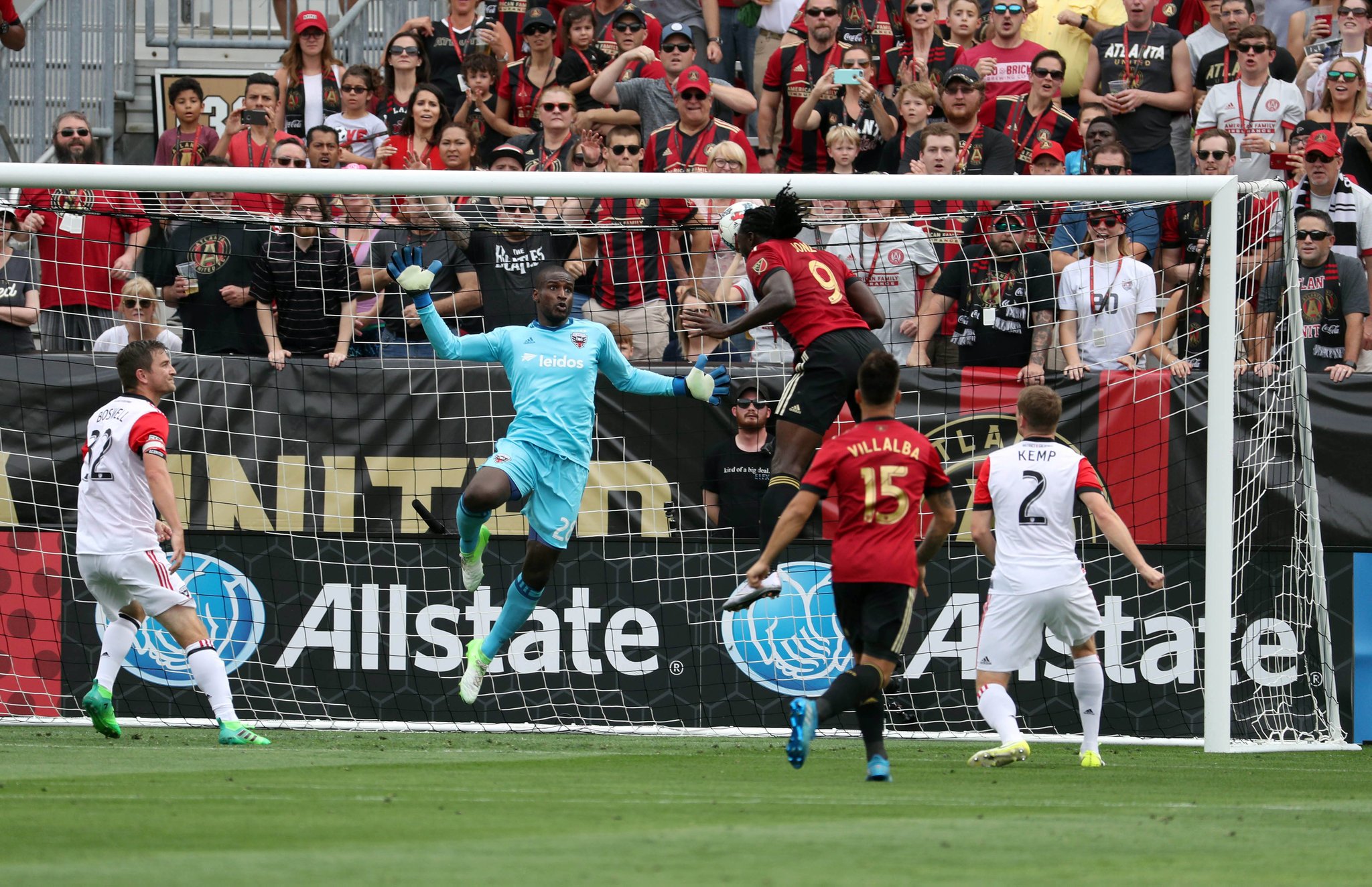
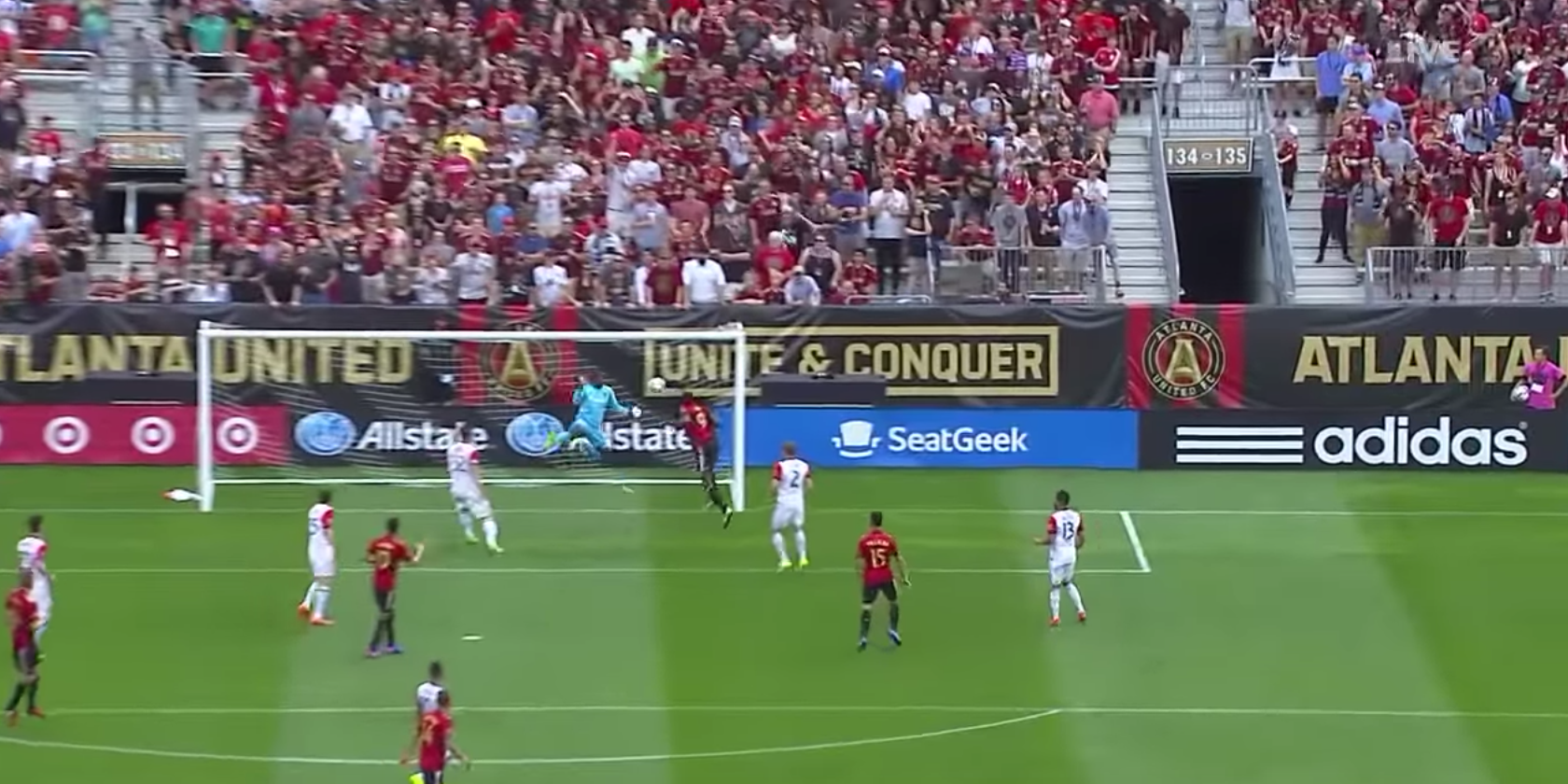
Hamid seems to have tweaked his groin on the second save, right before conceding Atlanta's lone goal for the afternoon. While there could be an argument for Hamid not being at 100% to make the save, the bigger problem is his approach. Yes, it's an unfortunate play but Hamid severely limits his chance of saving a shot (one that isn't too far from his body) by throwing his body in the air. Perhaps if Hamid was closer to the shot and the time to react was removed, the starfish would make more sense. But here, he can stay grounded. Doing so keeps the same surface area with his body shape, but with the added bonus of mobility to react to the shot, essentially doubling his size.

The game was a classic display of great-save-poor-conceded-goal. It's not a secret the USMNT needs more consistency, not chaos, in the back. If Hamid is truly wanting to make a run at the USMNT goalkeeper position, he needs to find that consistency to save what's in his reach and occasionally pull out the great save.


3. Attinella Showcases Impeccable Form

Play starts at 1:01

In the 58th minute, Attinella parries a rocket from just past the penalty spot. As the ball travels back down to a well-placed FC Dallas player, Attinella displays textbook skills on getting back to his feet. Notice how even and well-timed Attinella feet are when he plants. Both feet hit the ground at the same time and he can move either direction with ease. He's not awkwardly stepping into it or guessing which way the shot is going to go. It's a simple movement, but a much overlooked fundamental to goalkeeping and one that doesn't happen in MLS enough.


4. Ashlyn Harris Opens the Door for Criticism

After Orlando's 3-1 loss to North Carolina this weekend, Ashlyn Harris wasn't slow to say that her teammates needed to perform at a higher level.

I don't think anyone can disagree with Harris' main point: a 3-1 loss is not acceptable and players need to perform better. (Highlights here) You want to create an environment that has room for criticism so the team as a whole can step up their game. However Harris' own performance in the match left something to be desired, giving up a soft rebound on the first goal and misplacing a pass that directly led to the third.

At the end of the day, North Carolina still outshot Orlando (13-5, shots on goal) so the scoreline is warranted. But if Harris is going to start saying individual performances aren't good enough, she needs to own up to her own shortcomings.


5. Dropped Knee Strikes Again

Frei conceded probably his worst goal in his MLS career last weekend. In the 15th minute, Lee Nguyen strikes a knuckling shot from outside the box. The shot tails to Frei's right at the last second and slips in for the first goal of the game. It felt eerily similar to Dempsey's goal against England in the 2010 World Cup. You can watch the highlights from the game here, although there's not a great picture to pull from it.

As the ball dips towards Frei, he places his right knee into the ground. (This isn't a proper long barrier, for the record. The long barrier twists the hips and, in this case, would place Frei's right leg perpendicular to the oncoming shot.) The goal is another great example of the dangers with dropping a knee on a low-flying shot. If anything goes beyond expectation, the goalkeeper is stuck. The shot looks predictable until the last second, when it slides away from Frei. If Frei utilizes the front smother, he can shift his body weight, shoulders, and hands to cover the shot.

Some may argue that Frei just didn't do it right and if a goalkeeper drops his or her knee correctly, then it's not an issue. Personally, the technique is too hard to execute consistently without the occasional error, especially for skipping or knuckling shots. There are too many variables that can happen on a play, as displayed with Frei's mishap. The front smother attacks the ball, limiting the ball's movement, yet still gives lateral movement to help deal with a late bend or skip from the ball.


6. Next Era of USWNT Still Have Room to Develop

The three goalkeepers leading the pack to take over the USWNT goalkeeper spot are Jane Campbell (Houston), Haley Kopmeyer (Seattle), and Adrianna Franch (Portland). We talked a little about Campbell last week and with this week's games, the other two have given us talking points.

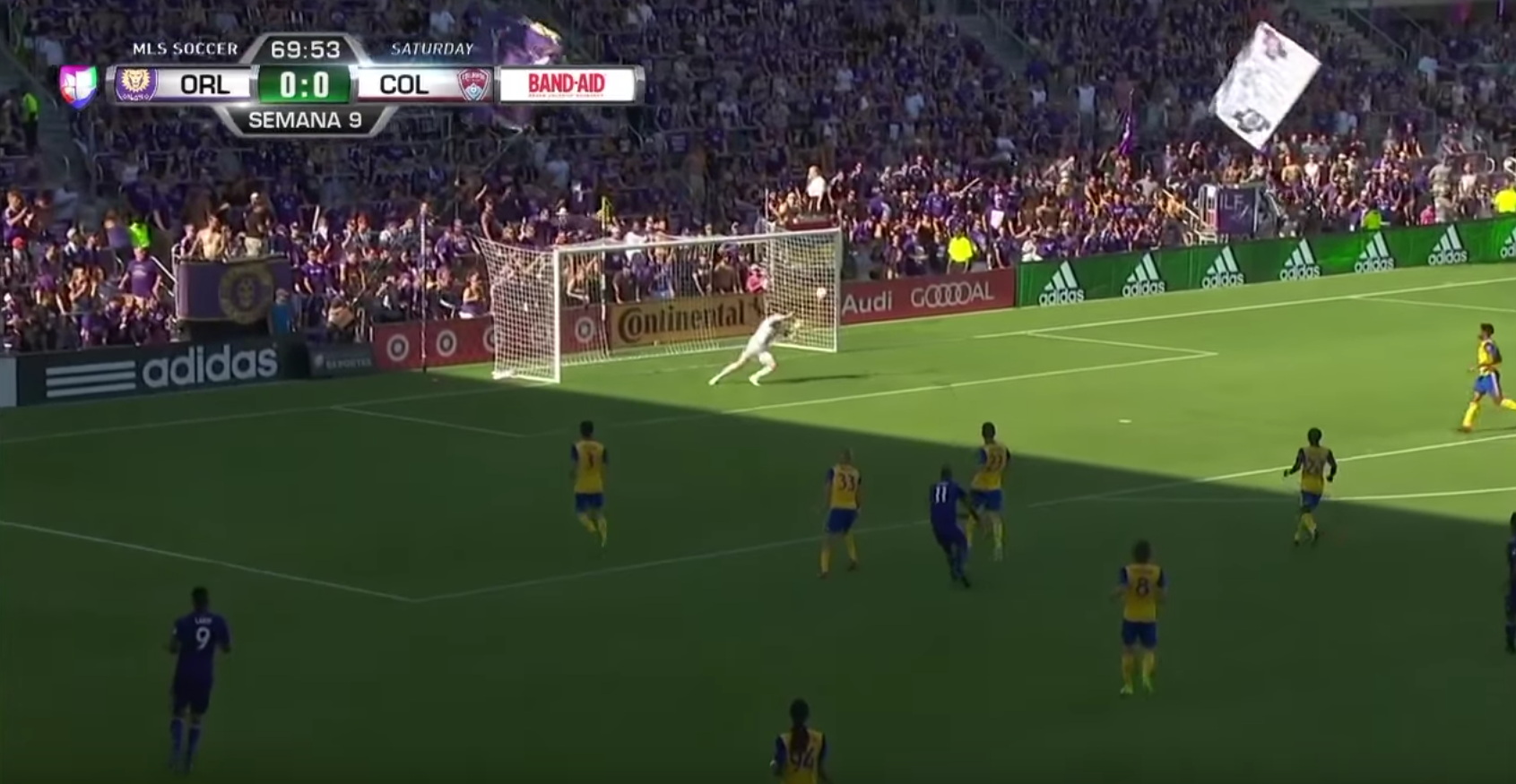
While there are a number of positives to talk about Kopmeyer's and Franch's abilities, the two struggled in situations they'll encounter again sooner than later. First, Kopmeyer and Seattle fell 3-0 to Boston, conceding all three goals from 1v1 situations. As we witnessed with the SheBelieves Cup this spring, the USWNT goalkeeper is likely to see more 1v1s with the 3-5-2, so they're fairly relevant for American goalkeepers. Kopmeyer isn't responsible for all the goals but there were some odd movements on the plays. On the first two, her body movement is a little off - it looks like she trips on the second one - and on the third she tries to kick save a shot heading to the top corner. For a goalkeeper who has shown tremendous strides over the last three years, her 1v1 game still needs some work.

In Portland, Franch held a 1-0 shutout, but not without giving away chances for potential goals. In the 22nd minute, she completely tackles Christen Press on an incoming cross. It's hard to tell if Franch gets a touch on the ball or not, which makes Franch's decision all the more risky. I think her right hand barely clips the ball, but if it doesn't this is an easy penalty call. The risk/reward for Franch here isn't worth it and there's a way to close down the angle without having to tackle Press, or at least minimize contact. Later in the 62nd minute she spills as simple collapse save, opening up another chance for Press to bag a goal. Added to the poor distribution from earlier in the season, she has her own parts of her game she needs to finish polishing.

It's not time to panic as all three goalkeepers have shown bright spots, but it's also not time to move on from Naeher and Harris any time soon.


7. Kann Snowballs Mistakes

Going back to the battle of the Uniteds, Kann had a terrible span of five minutes that led up to the second goal. First, a corner in the 36th minute led to a vertically skied ball that was coming back down in the box. Kann awkwardly walked out to basket catch the plummeting ball but dropped it in a crowd of players. Fortunately Kann was protected with a soft foul call but the free kick from Kann went straight out of bounds. The ensuing throw-in went straight to Acosta who ended up taking a mild shot from twenty yards out for the second goal. (Watch here, at 2:21) If Kann handles the corner like he should, collecting the ball clean and helping his team in transition, he removes the following errors and it's still a 1-1 game.


8. Van Oekel Thinking Ahead

Play starts at 2:24

Not a whole lot I can add here so I'll just present Van Oekel's header without comment.