Top 60 USWNT Goalkeepers - Summer 2020

cover photo from Washington Spirit

Despite the anticipation for the 2020 Olympics, the world waits for soccer to return, hopefully sooner than later. The NWSL season is still on hold and excitement for the US to take revenge on a 5th place finish in 2016 will have to be pushed back until 2021. As for the USWNT’s depth pool, we’ve unfortunately seen another wave of early exits from promising goalkeepers such as Haley Kopmeyer, Sammy Jo Prudhomme, Lauren Watson, Caitlyn Clem, Lauren Clem, Alison Jahansouz, and many more. (See last year’s list here.) Still, the college game continues to boast of containing the NWSL’s future and several graduates are making names for themselves overseas.

# - listed as a trialist on NWSL preseason roster

1. Aubrey Bledsoe, 28 - Washington Spirit
2. Alyssa Naeher, 32 - Chicago Red Stars
3. Jane Campbell, 25 - Houston Dash
4. Adrianna Franch, 29 - Portland Thorns
5. Michelle Betos, 32 - OL Reign
6. Lindsey Harris, 26 - Houston Dash
7. Bryane Heaberlin, 26 - FFC Frankfurt (Germany.1)
8. Audrey Baldwin, 28 - HK / Vikingur (Iceland.1)
9. Katie Fraine, 32 - Vaxjo (Sweden.1)
10. Ashlyn Harris, 34 - Orlando Pride

One to Watch: Jane Campbell. The three-year starter has quietly amassed 64 starts over her tenure with the Dash, making her fifth in the NWSL’s all-time appearances for a goalkeeper. Campbell has consistently been featured in national team camps over the past three years, earning three caps since leaving Stanford. Once accustomed to relying heavily on her athleticism, 2019 saw an impressive installment of patience in her game. Lateral and forward movement isn’t as cumbersome and is more calculated. (Watch her footwork from a game in April compared to one in September.) Campbell has always had the tools to succeed, but she’s reached a new level in her game. She’s not only one of the best goalkeepers in the NWSL but she’s compiling a strong argument to be a national team starter.

11. Emily Armstrong, 26 - IFK Kalmar (Sweden.2)
12. Britt Eckerstrom, 27 - Portland Thorns
13. Abby Smith, 26 - Utah Royals
14. Katelyn Rowland, 26 - North Carolina
15. Megan Dorsey, 28 - Sparta Praha (Czech Republic.1)
16. Jennifer Pelley, 26 - Djurgården (Sweden.1)
17. Emily Dolan, 25 - Real Betis (Spain.1)
18. Gabriella Batmani, 30 - Lidkoping (Sweden.2)
19. Kelsey Wys, 29 - Selfoss (Iceland.1)
20. Casey Murphy, 24 - OL Reign

One to Watch: Emily Armstrong. Since ending her senior year with UConn in 2016, Armstrong has been carving out a respectful career in Europe, playing for Medkila (Norway), IBV (Iceland), and Sundsvall (Sweden). After three years of being put to the fire - Sundsvall scored .6 goals per game last year, to give some context - Armstrong has been rewarded for her hard work. Now set to join Kalmar in 2020 (ranked 90th in Europe), Armstrong is exploring uncharted territory. The UConn alum has always had strong hands and the ability to cover the full width of the net but she can complicate close range situations with indecisive footwork and poor timing. If she can find the same confident footing that Campbell implemented last year, don’t be surprised if you see her stock continue to rise. (Highlights)

21. Alex Godinez, 26 - Pachuca (Mexico.1)
22. Jillian McVicker, 26 - IK Myran (Finland.1)
23. Adelaide Gay, 30 - Klepp (Norway.1)
24. Nicole Barnhart, 38 - Utah Royals
25. Sydney Drinkwater, 26 - Metz (France.1)
26. Mandy McGlynn, 21 - Sky Blue
27. Cassie Miller, 25 - Chicago Red Stars #
28. Tori Ornela, 28 - IA (Iceland.1)
29. Brett Maron, 33 - Kristianstad (Sweden.1)
30. Danielle Rice, 24 - Örebro (Sweden.1)

One to Watch: Alex Godinez. Godinez was raised just north of Denver but likely won’t be featured on this list much longer. The DePaul graduate received her first cap with the Mexican National Team in a friendly last year, rewarding the Pachuca captain for her positive play in Liga MX Femenil. Pachuca has fallen short in the quarterfinals for two years straight now but is on the cusp of claiming their first piece of hardware. If Godinez can help Pachuca earn their first trophy, expect to see Godinez join U23 goalkeeper Emily Alvarado as another Mexican-American goalkeeper representing Mexico on the international level.

31. Jalen Tompkins, 23 - Valerenga (Norway.1)
32. Hannah Seabert, 25 - Valerenga (Norway.1)
33. Abbie Faingold, 24 - Maccabi Kishronot Hadera (Israel.1)
34. Morgan Bertsch, 24 - Lugano (Switzerland.1)
35. Emily Boyd, 23 - Chicago Red Stars
36. Anna Buhigas, 25 - Real Betis (Spain.1)
37. Bella Bixby, 24 - Portland Thorns #
38. Kelsey Daugherty, 23 - Fortuna Hjorring (Denmark.1)
39. Phallon Tullis-Joyce, 23 - Stade de Reims (France.1)
40. Lainey Burdett, 23 - Orlando Pride #

One to Watch: Jalen Tompkins. Tompkins finished her career with the University of Colorado this past fall with 85 games over four years and set school records for wins (49), saves (369) and save percentage (.841). The UNC-Colorado highlights from last November showcase what Tompkins brings to the table: elite-level reflexes, bravery, and erratic - if not reckless - footwork and positioning. She’s set to join fellow American goalkeeper Hannah Seabert at a club who has hopes of returning to the Champions League. If Tompkins can clean up her game, instead of solely relying on her athleticism, she can become a success story for all “raw” goalkeeper everywhere. If not, the professional level won’t be shy at exposing her faults.

41. Samantha Murphy, 23 - North Carolina
42. Megan Hinz, 24 - Sky Blue #
43. Kate Mason, 24 - Telge United FF (Sweden.3)
44. Ella Dederick, 23 - Chicago Red Stars #
47. Kelsey Dossey, 23 - Espanyol (Spain.1)
46. Katie Lund, 23 - Washington Spirit
47. Nathalie Nidetch, 23 - Hapoel Ra'Anana (Israel.2)
48. Devon Kerr, 23 - Washington Spirit
49. Hillary Beall, 21 - University of Michigan
50. Brooke Heinsohn, 22 - Duke University

One to Watch: Brooke Heinsohn. Duke’s rising senior goalkeeper isn’t short of possessing an impressive resume. Heinsohn has been featured at every level of the USYNT, including the Women's U-23 La Mange Tournament in the spring of 2018 and the 2016 U20 World Cup. However, Heinsohn’s collegiate career has yet to match her success with the US national teams. After Duke had made multiple trips to the College Cup in 2011 and 2015, Duke was bounced in a 4-1 loss to Georgetown in the sweet sixteen with Heinsohn’s first season as a starter (2018) and then upset by Wisconsin the following year in a 1-0 loss (2019). An early matchup against UNC last fall shows the highs and lows in Heinsohn’s game. She simultaneously displays a great awareness for plays unfolding (see the strong save at 0:30 in the linked video) but her stiffness in the box can complicate the needed handling and footwork to make a save. It seems pretty clear that Heinsohn is on track to be one of the few college goalkeepers to carve out a professional career, but the goal that ended Duke’s ACC tournament run against Virginia is the litmus test on how unsuccessful Heinsohn’s post-collegiate career will be. If she can clean up her mechanics and fluidness in front of goal, expect her to run away with every postseason award. If not, Duke’s backup Ruthie Jones might be stealing the spotlight sooner than later.


51. Mikayla Krzeczowski, 22 - FC Jumonji Ventus (Japan.1)
52. Melissa Lowder, 23 - Utah Royals #
53. Shelby Hogan, 22 - Providence College
54. Kelly O'Brien, 24 - Diósgyőri VTK (Hungary.1)
55. Shae Yanez, 23 - Santa Teresa (Spain.2)
56. Brittany Wilson, 22 - Orlando Pride #
57. Cosette Morche, 22 - Eskilstuna United (Sweden.2)
58. Kaylie Collins, 22 - USC
59. Danielle Etzel, 22 - Vllaznia (Albania.1)
60. Jaelyn Cunningham, 22 - Orlando Pride #

One to Watch: Shelby Hogan. Hogan enters the scene as an intriguing prospect. She doesn’t possess the typically desired athleticism that NWSL teams are looking for yet she has the mechanics and game sense that college goalkeepers rarely possess. Hogan’s shutout performance against Butler illustrates this for those unfamiliar with the Providence senior. The opening clip of her top hand save isn’t pure athleticism making the save. Her positioning, footwork, and impeccable technique are the reason why she makes that play look easy, (not to mention I don’t think anyone assumes that’s Hogan’s first attempt at tipping a ball over the bar). Hogan’s movement can get a little overdone with excessive re-positioning, but at this point in her career, it’s much easier to reel it back than try to ramp it up. Unfortunately, Providence doesn’t offer a ton of exposure for Hogan, who has yet to make the national tournament. If a NWSL or European club is willing to roll the dice on Hogan, despite not having the resume as other goalkeepers, they won’t be disappointed. Otherwise, next season might be the end of the road for Hogan’s goalkeeping journey.
The 50 Greatest MLS Goalkeepers of All-Time

The article was originally posted in 2017 and has since been updated. To see the previous rankings, you can view them here.

Since 1996, MLS fans has seen a number of successful goalkeepers come through their league. From World Cup starters to up-and-coming USMNT prospects, MLS has a rich history of displaying a high standard between the posts.

When considering the MLS’s best, this list focuses on a goalkeeper’s level of play, total appearances, and what part of their career the goalkeeper played in MLS. If a goalkeeper’s bulk of their games played is outside their prime, it could place them lower than others with less starts. Simply ranking goalkeepers by the most appearances isn’t a good barometer of the best, although it is one piece of the puzzle. To offset this, the level of play compared to their competition is taken into account, which values their ability versus the rest of the league’s goalkeepers.

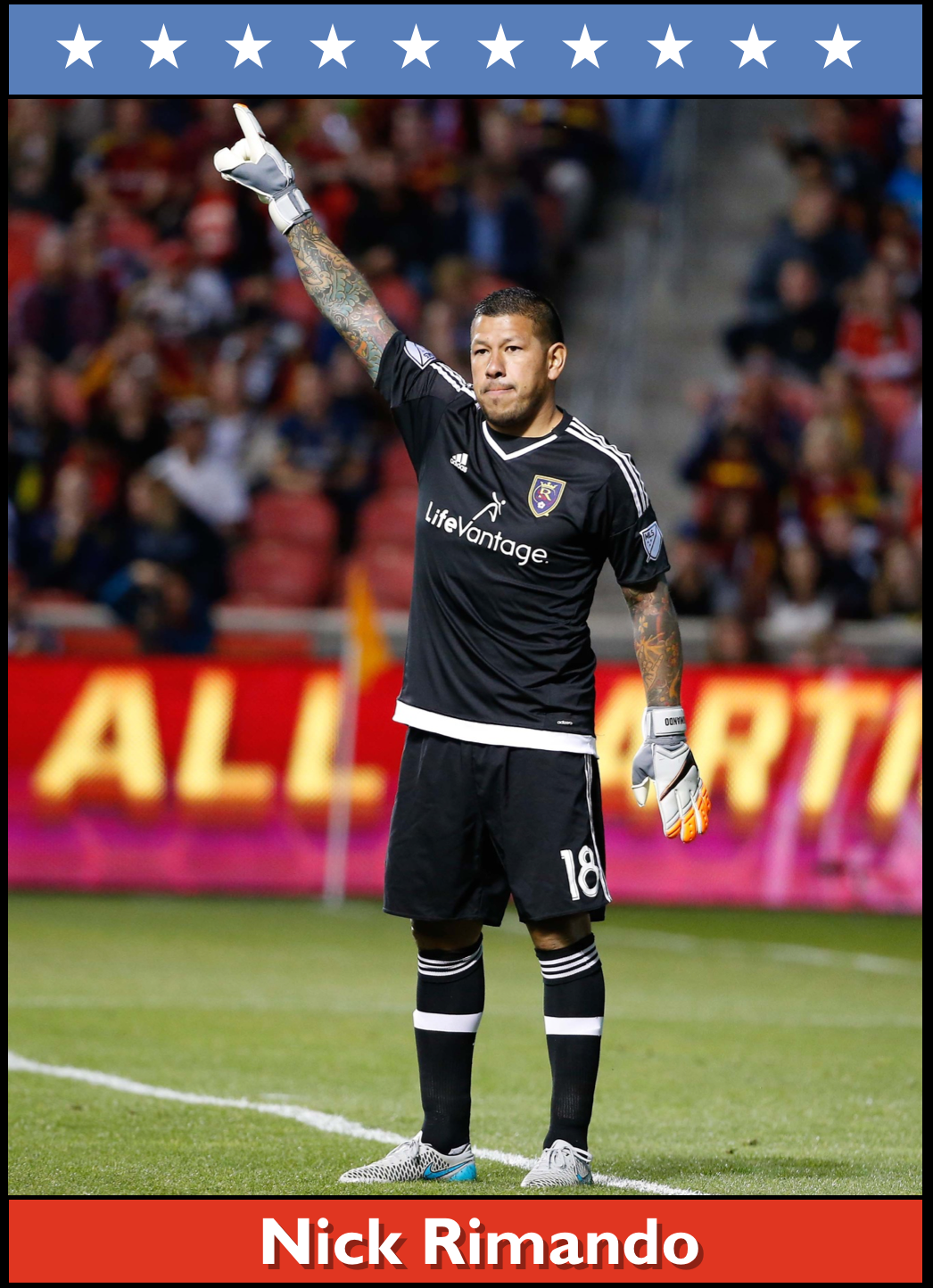
Rimando - Jeff Swinger/USA TODAY Sports
Reis - Jason Gulledge
Howard - Getty Images

1. Nick Rimando (514 Games, 2000-2019)
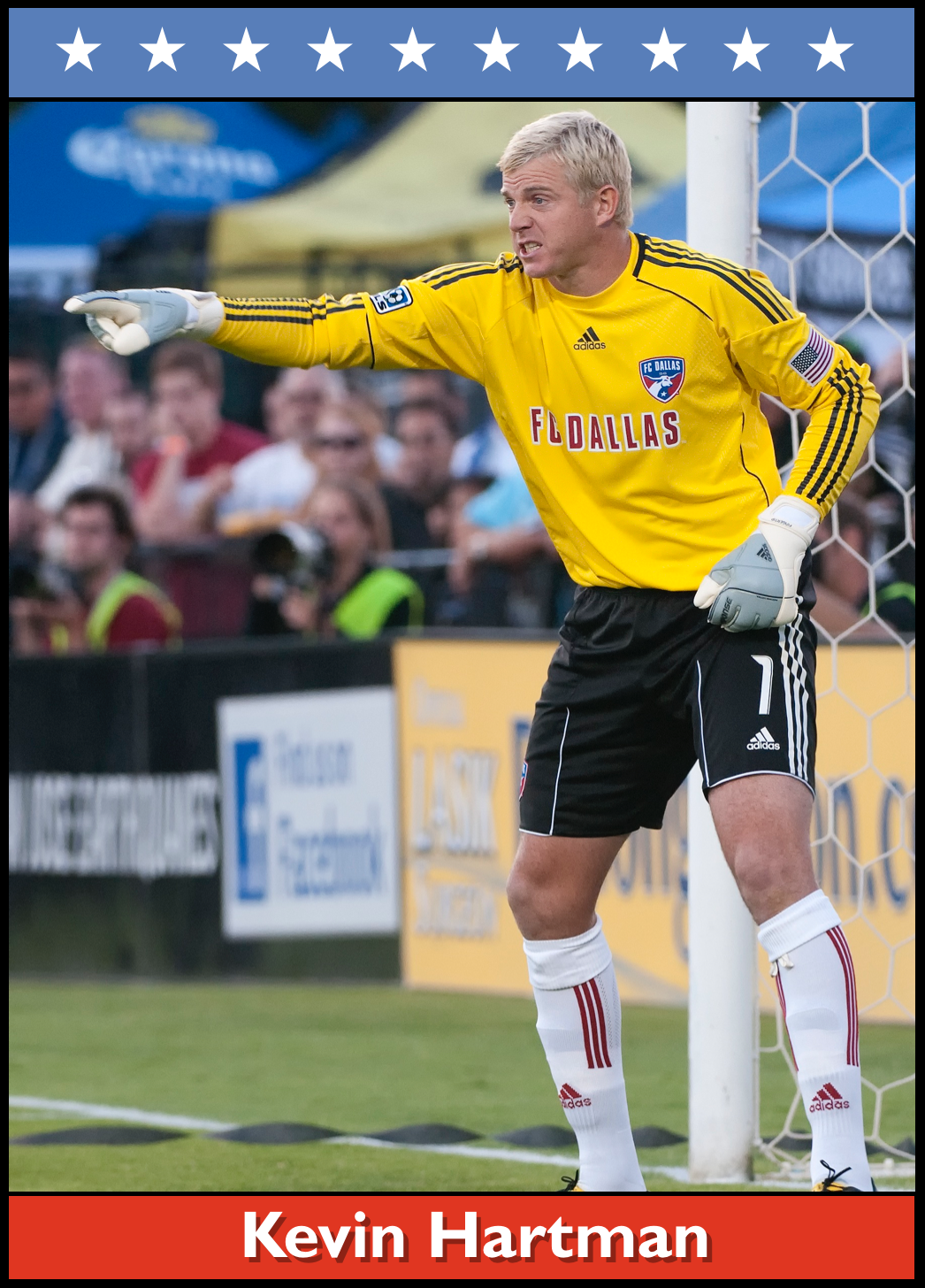
2. Kevin Hartman (416 Games, 1997-2012)
3. Joe Cannon (342 Games, 1999-2013)
4. Jon Busch (309 Games, 2002-2015)
5. Tony Meola (250 Games, 1996-2006)
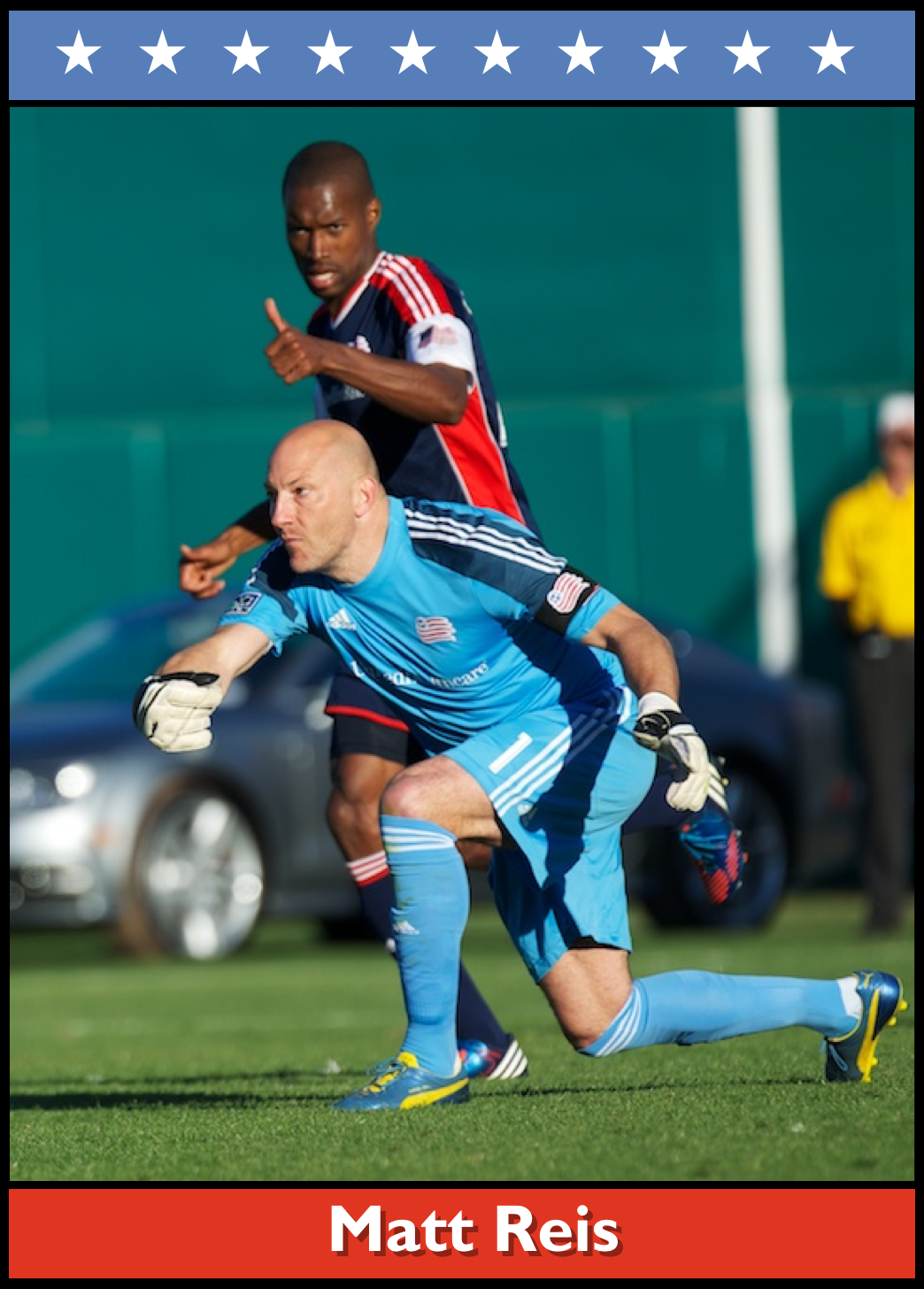
6. Matt Reis (293 Games, 1998-2013)
7. Stefan Frei (303 Games, 2009-present)
8. Luis Robles (253 Games, 2012-2020)
9. Scott Garlick (237 Games, 1997-2006)
10. Troy Perkins (217 Games, 2005-2007, 2010-2015)

One to Remember: Stefan Frei. After notching 93 starts for Toronto across all competitions, Frei’s career would take a significant detour as he only was featured once in league play from 2012-13. Relegated to a backup after suffering a broken fibula in training and eventually losing out to Joe Bendik for the starting position, Frei would be shipped to Seattle for a first round pick. Toronto would eventually flip the draft pick for FC Dallas midfielder, Jackson, who would become a mostly regular starter for two years. It wouldn’t be the last Toronto would see of Frei, however, as the former UC Berkeley product would face off against his old team in three MLS Cups (2016, 2017, 2019), winning the first and rubber match in spectacular fashion.

11. Zach Thornton (282 Games, 1996-2011)
12. Tim Howard (185 Games, 1998-2003, 2016-2019)
13. Brad Guzan (183 Games, 2005-2008, 2017-Present)
14. Sean Johnson (292 Games, 2010-Present)
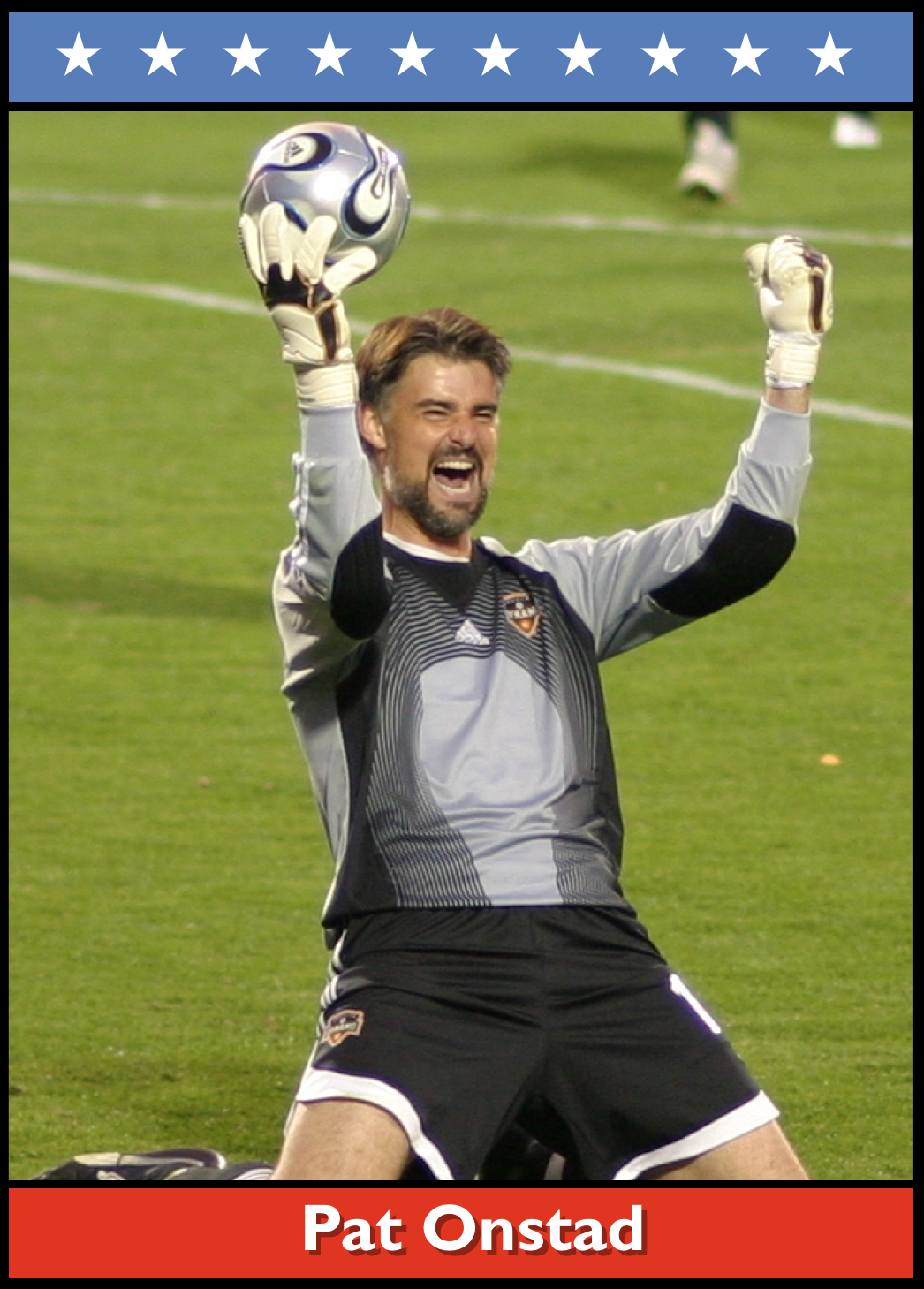
15. Pat Onstad (223 Games, 2003-2011)
16. Tim Melia (175 Games, 2012-present)
17. Dan Kennedy (163 Games, 2008-2016)
18. Bill Hamid (248 Games, 2010-present)
19. Steve Clark (160 Games, 2014-present)
20. Will Hesmer (133 Games, 2006-2011)

One to Remember: Tim Melia. It’s hard not to be a fan of Melia’s underdog story. A D2 product who bounced around the league for most of his career, Melia signed with five teams in seven years, not including large stints as an MLS Pool Goalkeeper. Unable to find his footing, he signed with Sporting Kansas City in 2015 as a backup behind Chilean goalkeeper Luis Marin. After a disappointing start just eight games into the season, Marin would return back home for family issues, leaving a pathway for a goalkeeper that had been passed on by every other team in the league. Described “not really as a starter” by the Kansas City Star, Melia would earn 147 starts from 2015-19 as well as win the 2017 MLS Goalkeeper of the Year award.

21. Matt Pickens (156 Games, 2005-2013)
22. David Ousted (173 Games, 2013-2019)
23. Evan Bush (184 Games, 2012-present)
24. Tally Hall (153 Games, 2010-2015)
25. Bobby Shuttleworth (202 Games, 2010-present)
26. David Bingham (182 Games, 2011-present)
27. Donovan Ricketts (188 Games, 2009-2015)
28. Andre Blake (145 Games, 2014-Present)
29. Mark Dodd (92 Games, 1996-1999)
30. Jimmy Nielsen (128 Games, 2010-2013)

One to Remember: Matt Pickens. For most fans, it’s easy to forget Matt Pickens was a top goalkeeper in MLS at one point, receiving multiple call-ups for the national team in his prime years. The Missouri State alum has a winding road throughout his professional track, including signing with QPR in February of 2008 and trailing for half a dozen clubs that following summer after an untimely shoulder injury derailed his time in England. Pickens would ultimately rebound nicely, leading the Rapids in a successful MLS Cup run in 2010, topping off the victory with a clutch save in overtime. Pickens would earn 114 starts with the Rapids before losing his starting spot to Clint Irwin due to a broken arm. Once again the untimely injury derailed Pickens’ momentum. Left without a clear track to move forward, Pickens would follow Bob Bradley to Norway, trailing with Stabaek, before the Rapids would offload his large contract in the waiver draft (Irwin was making almost $200,000 less than Pickens at the time). Having several years left in the tank, the “Fear the Beard” campaign would follow the scrappy goalkeeper wherever he traveled. Pickens finished his career in the USL with the Tampa Bay Rowdies and Nashville SC, earning 107 and 56 appearances with both teams respectively, before retiring after the 2019 season at age 37.

31. Joe Bendik (178 Games, 2012-present)
32. Tom Presthus (106 Games, 1997-2003)
33. Mike Ammann (125 Games, 1996-2001)
34. Kasey Keller (93 Games, 2009-2011)
35. Joe Willis (136 Games, 2011-present)
36. Matt Turner (69 Games, 2016-present)
37. Tyler Deric (90 Games, 2010-2019)
38. David Kramer (106 Games, 1996-2002)
39. Marcus Hahnemann (70 Games, 1997-1999, 2013)
40. Clint Irwin (136 Games, 2013-present)

One to Remember: Marcus Hahnemann. Hahnemann’s time in MLS was short but his winding route was certainly one that highlights what the goalkeeping landscape looked like in MLS’s early days. In the late 90s, America was bursting with talent and Hahnemann was a part of the country’s top goalkeepers. Through college, Hahnemann was a standout at Seattle Pacific University. Hahnemann racked up a 64-9-5 record in four years, earned All-American honors three times, and a national championship in 1993. After graduation, Hahnemann's success continued in the A-League with two championship runs in 1995 and 1996. Hahnemann signed with the Rapids in 1997 and immediately led them to the MLS Cup Final, losing 2-1 to DC United. Although the Rapids struggled defensively in 1998 (69 goals in 32 matches), Hahnemann was named the Rapids’ top defensive player for the season. The Rapids rebounded in 1999 and helped the team start the season 10-3 before an £80,000 transfer fee led Hahnemann to Fulham. Although his accomplishments in MLS are limited, Hahnemann finished his career with nine caps for the USMNT, a stint in the English Premier League, and a place in Reading’s history books as one of the club’s greatest goalkeepers.

41. Mark Dougherty (123 Games, 1996-2001)
42. Matt Jordan (117 games, 1998-2004)
43. Andy Gruenebaum (91 Games, 2006-2014)
44. Jorge Campos (52 Games, 1996-1998)
45. Zac MacMath (148 Games, 2011-present)
46. Zack Steffen (76 Games, 2016-2019)
47. Bo Oshoniyi (109 Games, 1996-2006)
48. Brian Rowe (105 Games, 2013-present)
49. Bouna Coundoul (99 Games, 2005-2011)
50. Brad Friedel (38 Games, 1996-1997)

One to Remember: I wrote 1500 words on why Zac MacMath’s career is important for learning lessons in goalkeeper development over on RSL Soap Box.

MLS Goalkeepers on the 2020 Collective Bargaining Agreement

Over the offseason, Everybody Soccer interviewed goalkeepers from across the league on what they were pushing for in the latest CBA talks. With topics from overhauling the current travel situation to redistributing allocated money, MLS goalkeepers discuss a variety of topics. For similar pieces, you can view the site’s past catalog here. Special thanks to @JaredDryden and @barrettsmithAR for their independent reporting.

Untitled 2.png

Josh Cohen Interview: From USL Standout to Europa League Contender

cover photo belongs to Reuven Cohen

Josh Cohen is an American goalkeeper for Israeli Premier League club Maccabi Haifa. After graduating from UC San Diego as a D2 All-American, he spent five years in the USL with OC Blues, Phoenix Rising, and Sacramento Republic, where he was a finalist for USL Goalkeeper of the Year. Cohen’s play is reminiscent of MLS goalkeeping from the turn of the century, focusing on maintaining balance, strong handling, and patient footwork in tight situations. Cohen left Sacramento last summer to join Maccabi Haifa, who are currently on track to return to the Europa League behind the American goalkeeper’s standout performances. In twenty-one league games, Cohen has twelve shutouts to help put Maccabi second in the table.

How’s Israel been treating you?

It’s been good! It all happened really quick but I’m definitely settled in here now.


I was trying to do a little research but I was curious about how quick the move transpired.

Yeah, so from when I first heard there might be a chance of it until being on the plane, it was less than a week.


Oh wow! From what I read, it seemed Sacramento was really supportive of the move. I guess they helped usher that along?

Sacramento didn’t want me to go in the middle of the season but they understood, once I talked to them and explained where my head was at and that I saw this as a big move upward for myself and my career. They were cooperative in making that happen. The driving factor, timeline-wise, was actually on this end, from Maccabi Haifa, because they had Europa League qualification matches and really wanted to get me rostered before a match that was basically a week and a half out. So that was the big accelerator on the timeline.


I talked to Joe Lennarz [with Ascension Athletes] a little bit and he said you had gotten called in for an MLS preseason but for whatever reason it didn’t click. Was there any sort of “**** you MLS” mentality driving you overseas?

For me, it was more of the opportunity and it was the right opportunity. In terms of MLS, I definitely felt like I had been overlooked at times. I had gotten invited in [2014] at the last minute. Philadelphia had invited four goalkeepers into their camp but their fourth goalkeeper backed out and went to another team. But it definitely was them just bringing me in to be an extra body as a fourth goalkeeper. They had already had three goalkeepers signed or in negotiations and I don’t think I was MLS-quality or ready for the level at the time. I had only played D2 in college, never played semi-pro or PDL or anything and really was pretty unaware of what the soccer world was like beyond college.


Was there anything specific that you were told like, “Hey this is why you’re not going to make it at the next level?”

Yeah, I was never the biggest kid growing up. I never played state ODP, let alone regional or national. A part of that was because basically there was me at 5’3” and two kids, same birth year, at 5’10”, 5’11”. And similar things for college, I definitely had a D1 coach tell me, “Look, we think you’re talented but we like our goalkeepers to be above 6’0”. We don’t know if you’ll grow a little bit but we don’t know if you’ll be there.”

I wasn’t recruited at all going into college. I ended up choosing my school because of academic reasons. I ended up getting into [UC San Diego] and did a winter tryout and had gotten invited into preseason with the university team. But I wasn’t actively recruited or had much contact with the coaches before I applied to the school.


That is wild to hear that, knowing you went on to be a D2 All-American. Did you surprise yourself with your talent at any level or were you always confident of what you could do? How did you go about matching your confidence with your talent level?

The first time I realized I could play beyond college was after my junior season. I had a really strong junior season. We ended up just missing out on the tournament that year but individually I had a very good year. We had a great defensive team. And I thought, “Okay, I did pretty well. If I have a really strong senior season, maybe there might be something there afterwards.” But it was never something that I thought could realistically happen or really make a career out of it. 

When I was younger, an elementary school teacher asked, “What do you want to do when you grow up?” I said, “Pro soccer player,” of course. That’s the dream. But from after the age of 12, maybe 13 onwards, I’ve always been a realist and I never thought it’d be a real possibility. I really liked what I was studying academically. I like tinkering with things, building things. So I was very confident that when I started working, I would work as an engineer in one capacity or another.


What was the reasoning behind, I’m trying to word this correctly to make it sound like I’m not insulting you *laughs*

No, say it anyways. *laughs*


It’s just fascinating to me that you went from not really focusing on being a pro to ending up where you are now. What was the reason behind thinking “I might not be a pro”? Was it looking at the talent level and thinking, “I don’t know if I’m there yet” or was it the lack of the exposure?

It was just something I never really thought of myself as a player who could go on to that level. I’m not sure if you knew this, but growing up I played for Santa Clara Sporting in the Bay Area. On my club team was current national team player, Sebastian Lletget. He was kind of the golden standard of the player who’s going to be successful and who’s going to go on and have a pro career. And there were other players on my team who were in the regional ODP or national ODP player pool. I bought into the feedback that said I would get the visibility that other players were getting but I didn’t get any and I never saw or got any of that. So I think a little bit of that reflected backwards into my own perception of my own potential future.


So fast forward here, when the move to Maccabi Haifa came up, what was the big motivational factor of making that happen? Or was it just “this is the next step for me”.

It was an extremely intimidating move, but the biggest factor was I had been overlooked at the MLS level. I had a really solid year with Phoenix [in 2017] and really didn’t get any looks or any serious looks from MLS teams after that. With Sacramento, I know they saw a future in me, but the timeline of them moving up to MLS was a couple years out. So I looked at the opportunity and saw it as a new challenge. If I came here [to Maccabi Haifa] and I was able to find success, it would put me on a whole new level than as a USL goalkeeper. It would give me a lot of exposure and potential for European play. I didn’t really know too much about the culture here. I had seen a little bit. I had heard a little bit. I knew that they were much more European-like in terms of the club, the fan culture, the competition. I didn’t realize this at the time, but looking back, I had gotten a little bit complacent in USL.


Do you think that came from the lack of exposure or the lack of connection from MLS?

No, I think it was that I didn’t have to be as focused or as good to be successful, or good enough. It was a slow creep where, if I wasn’t performing 100% at training, it didn’t matter because I could get away with performing at 90 or 95 percent.


I assume, pretty early on after the move with Maccabi Haifa, you realized “Oh there’s a little more pressure on me now”? Or was that a slow realization?

There were a couple different things. So when I first came here, I went on a run. This was one of my first days here, before I finished signing my paperwork because I wasn’t allowed to train yet. I was just going on a run around town. A car kind of pulls over on the road right next to me and someone leans out the window and says, “Are you Josh Cohen, the goalkeeper?” *laughs* And that was kind of the moment I realized, “Okay, it’s different here.”


What did he say? I guess he congratulated you or was it negative?

Yeah, yeah, he said “Welcome.” I think that might have been my second day here? And that was kind of the first indication. And when I started training with the team, there were little things. If I was slightly out of position or a fraction of a second slow, the players would catch me on it and they would punish me for those little mistakes and I hadn’t really been punished prior.

My goalkeeper coach here, he’s a character and very knowledgeable, but extremely demanding and has a very, very low tolerance for mistakes. If you make one mistake he’s going to be yelling and everyone knows you made a mistake.


Was there something that you felt like came up more than once or was it a lot of little things, as far as mistakes went?

A lot of little things, all rooted in the same issue. I think part of it was because of the move and new environment. I was playing very tense. I was locked up, very aggressive, when, in a lot of times, it’s best to be casual, loose, free-flowing until the exact moment when you need to be set and reactive.


Yeah, it’s funny, working with youth goalkeepers here in Memphis, trying to figure out which ones are overthinking and which ones aren’t thinking enough, because it’s a very specific problem. The ones overthinking get too distracted and they’re behind the play, but the ones under-thinking are still behind the play, but it’s for an entirely different reason. I guess the new environment and the move had you a little more tense?

Yeah, I think it was partly that and also partly that, in my experience as a goalkeeper in the US, a lot of the training is quick movement. It’s very “rah-rah-rah, do this, now do that” and see how quickly you can get between the two. With the training here, he really emphasizes “be quick in the moment, but very casual between moments.” So in an exercise, we’ll be doing everything on a good pace. I’ll be moving, alert, keeping my vision up so I can see multiple things going on, and then timing myself for when I get set for a shot on one side. Then if there’s a shot on the other side or from another area, not rushing to that second spot and making sure I get there in the right time. Whereas in the US, it’s “Get there quick, get there set!” even if it’s early.


I see a lot of stuff online with Instagram goalkeeper coaches where, first of all, the equipment they're using is a slew of ridiculous. You know, hula-hoops are involved. I saw one guy on a hoverboard at one point, catching volleys. But a lot of it is really quick reps at different angles. One might be a soccer ball and the next, a tennis ball, then it’s a frisbee. I was talking with one coach and he said he wanted to do a session one time, to kind of counteract all that, where there were 90 minutes of just passing the ball around and then somewhere there’d be one shot. And I was like, “you know, that’s kind of ridiculous, but I kind of love it.”

*laughs* But that’s how the game is!


Yeah absolutely.

It’s why Alisson is such a good goalkeeper for Liverpool. I forget who they were playing a month ago, but 85th minute, he makes a fantastic save after not touching the ball with his hands for the entire game. It’s one of the hardest things to do.


Yeah, you can have all these reps in training and you’ll do a four save-sequence but how often are you doing that in your career? It’s so rare.

Being with Maccabi Haifa, do you feel like you’re comparing yourself to more goalkeepers now as you’ve reached a new level in your career?

No, no, I’m definitely, well... I don’t know if “comparing” is the right word but I’m definitely watching and more aware of the level comparisons between different leagues and different teams. I watch some of the Champions League games. I watch some of the Premier League games. I’m still trying to learn but what I’m looking at in the goalkeepers is different from what I was looking at before. I’m looking at the very fine details, not necessarily from the perspective of “Oh I should do that” but from the perspective of “That’s how this goalkeeper does that but this other goalkeeper does it slightly different. Which way might work better for me?”


What’s an example of something you’re looking for?

Yeah, so Neuer. The way he approaches 1v1 type situations is very different from Lloris. Neuer is a much more aggressive keeper and Lloris is the most patient keeper playing at the highest level right now, in terms of willingness to hold his ground and stay in a position far longer than you’d mentally feel comfortable with. It’s extremely impressive. And given my body type, my assets as a goalkeeper, I’m more in the Lloris camp. I need to hold my ground a little bit more, stay with the right body language, you know, shoulders forward, and trust myself that I can react and force the shooter into a decision rather than me making the decision by being so aggressive.


Are those minute differences something you were taught in the US? Or is that something you’re just now recognizing for yourself?

I’ve definitely had little things pointed out but in terms of going on my own of watching games as a scholar instead of a fan, that’s completely new. And it’s something I wish I had been doing a long time ago.


This is backtracking a little bit, but a lot of people compliment Sacramento on their fan culture and support. So I’m curious how a fairly rabid fanbase in the US compares to Maccabi Haifa.

The fanbase in Sacramento is fantastic. They love the team. They’re extremely supportive of the team. But the fan base here, at Maccabi Haifa, you can compare it with the top clubs in Europe, in terms of the culture and how the supporters act. I don’t think you can compare any fanbase in the US, whether Sacramento or even Atlanta, with the mentality that the fans have here. I’ll try to give an example. So in Sacramento, they love us players. They’re extremely friendly with us. Super supportive of the team but also the individual players. They’re really friendly and supportive whether win, loss, or draw. Here, we’ve won games and fans are whistling because they’re pissed off we didn’t play well. You have ten thousand people whistling and hissing after you won 1-0. But it’s because they realize we could have been much better and could have won that game four or five-zero had we actually played well.


That’s wild.

Yeah, it’s different. I have a teammate here who has literally been stopped on the street by a fan who was mad at him for wearing a yellow t-shirt on an off day. *laughs*


That’s a color of a rival club, right?

Yeah, yellow is two of our rivals. That’s what the fan culture is here. They absolutely love the club, love the team. They'd literally fight for the club and that is above all else.


I don’t know if “culture shock” is the right phrase but that sounds like a big change. Is that something that’s been intimidating at all?

It’s been a little intimidating. I’m still getting used to it. In terms of the environment in games and training, I’m used to that and it wasn’t too big of a difference because there’s always that barrier of “I’m on the field, they’re outside.” So you can kind of tune it out and focus on the game. There isn’t too big of a difference between 10,000 fans and 30,000 fans, from that perspective.

But the off-the-field is something I’m still not used to. Here, every player on the team is literally famous. We had a little mini-training camp down in Eilat, which is the southernmost city in Israel, right on the Red Sea. It’s about a six-hour drive from Haifa. And any time any of us left the hotel, people would be coming up asking for photos and trying to talk to us.


You’re at an interesting intersection with your career right now where you have so many possible paths going forward, with MLS, staying in Israel, or moving in Europe. Is there something you’re leaning towards with the next few years?

It’s something that I’ve learned that I always need to be thinking about it, as things can come up quickly. It’s the European way. For me, I’ve been fortunate that I could finish my college education and I have my degree and that I’ll be happy with my career after football. And so I’ve been able to see where I can go, above all else. I still have that mindset where the ultimate goal is to make it to the highest level and the highest league possible and for me, that’d ideally be somewhere in central Europe. The big four is very difficult but if the opportunity came up, I’d have to take it immediately and see what I could do.