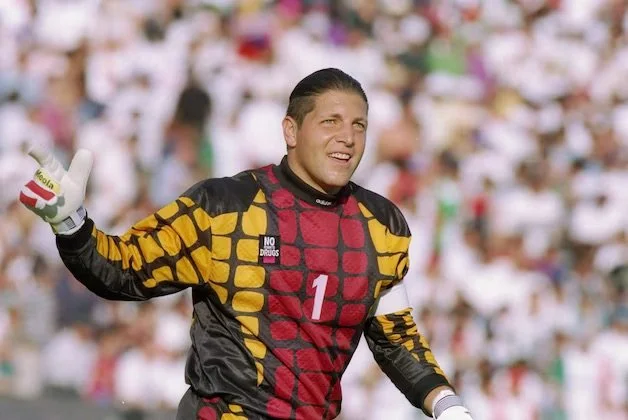
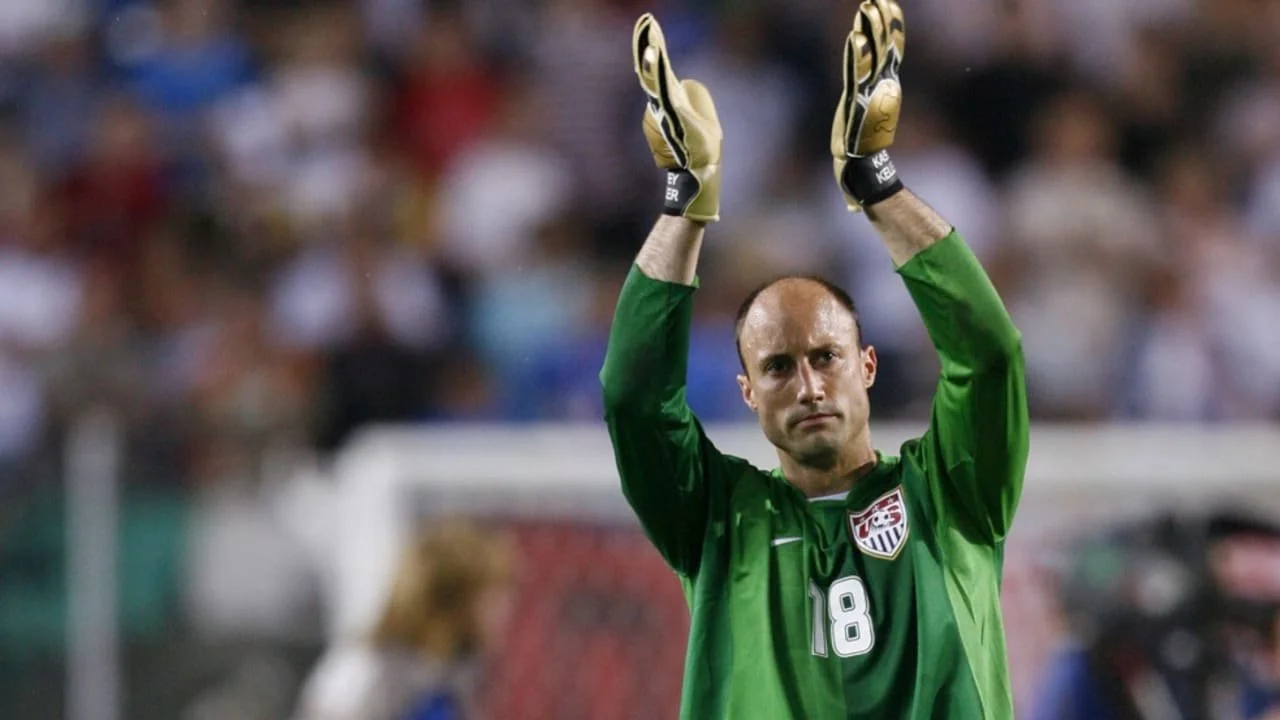
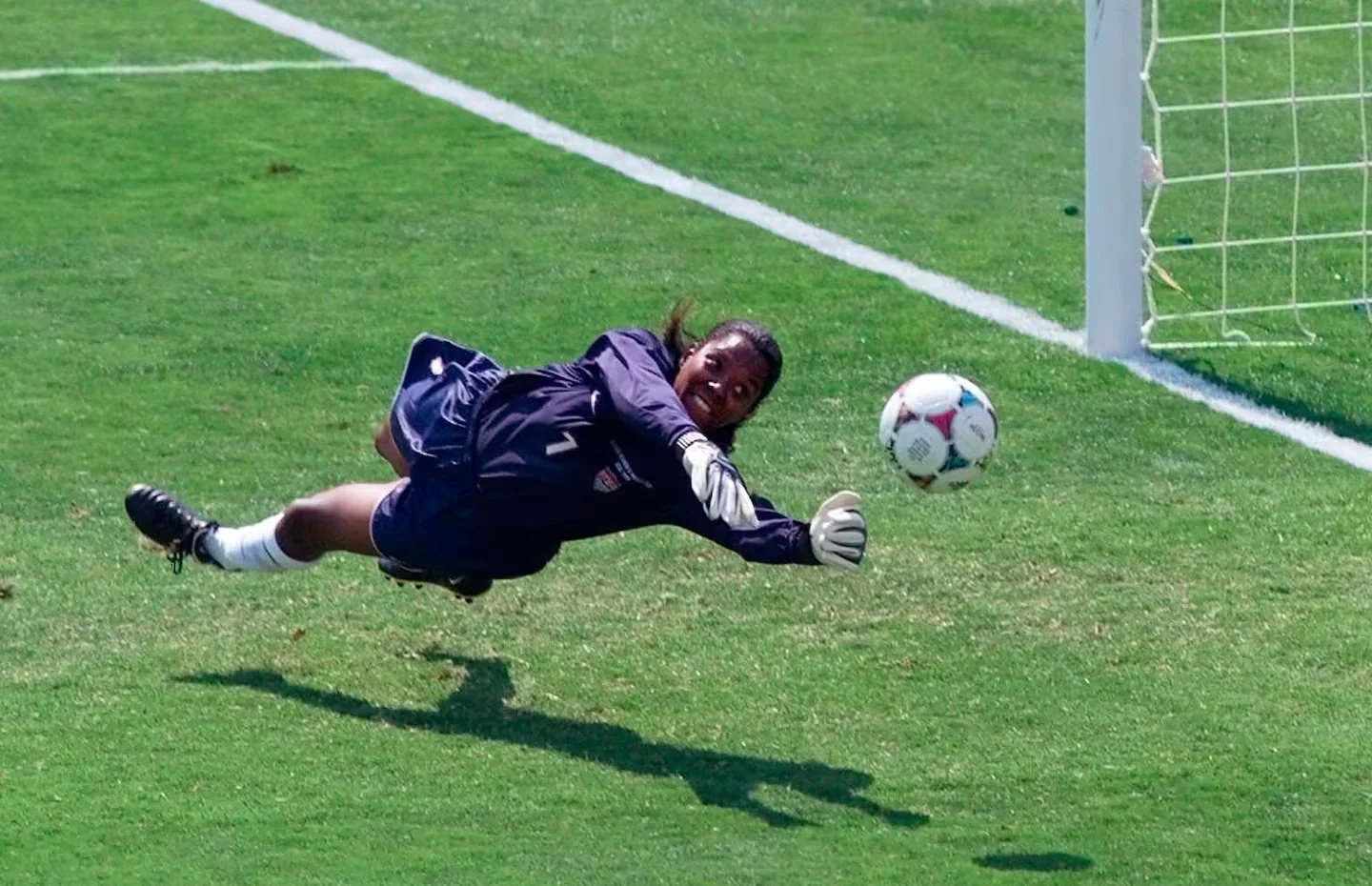
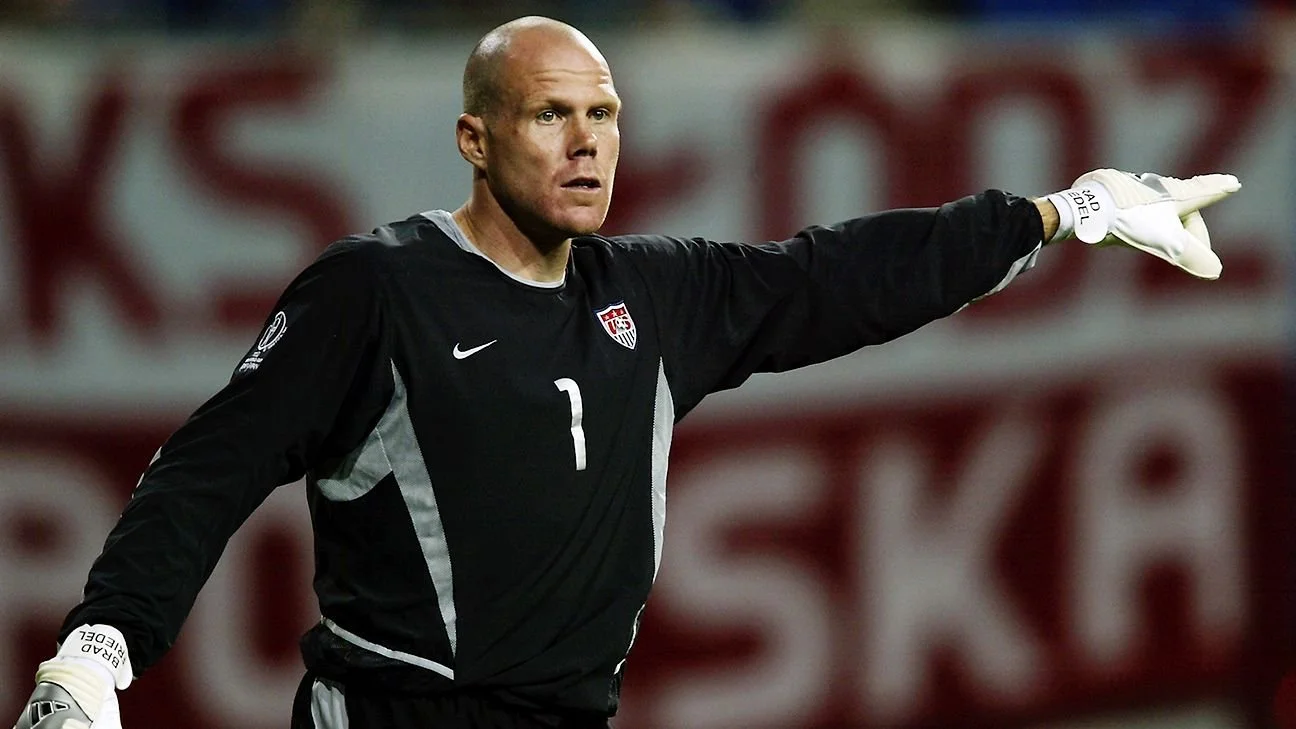
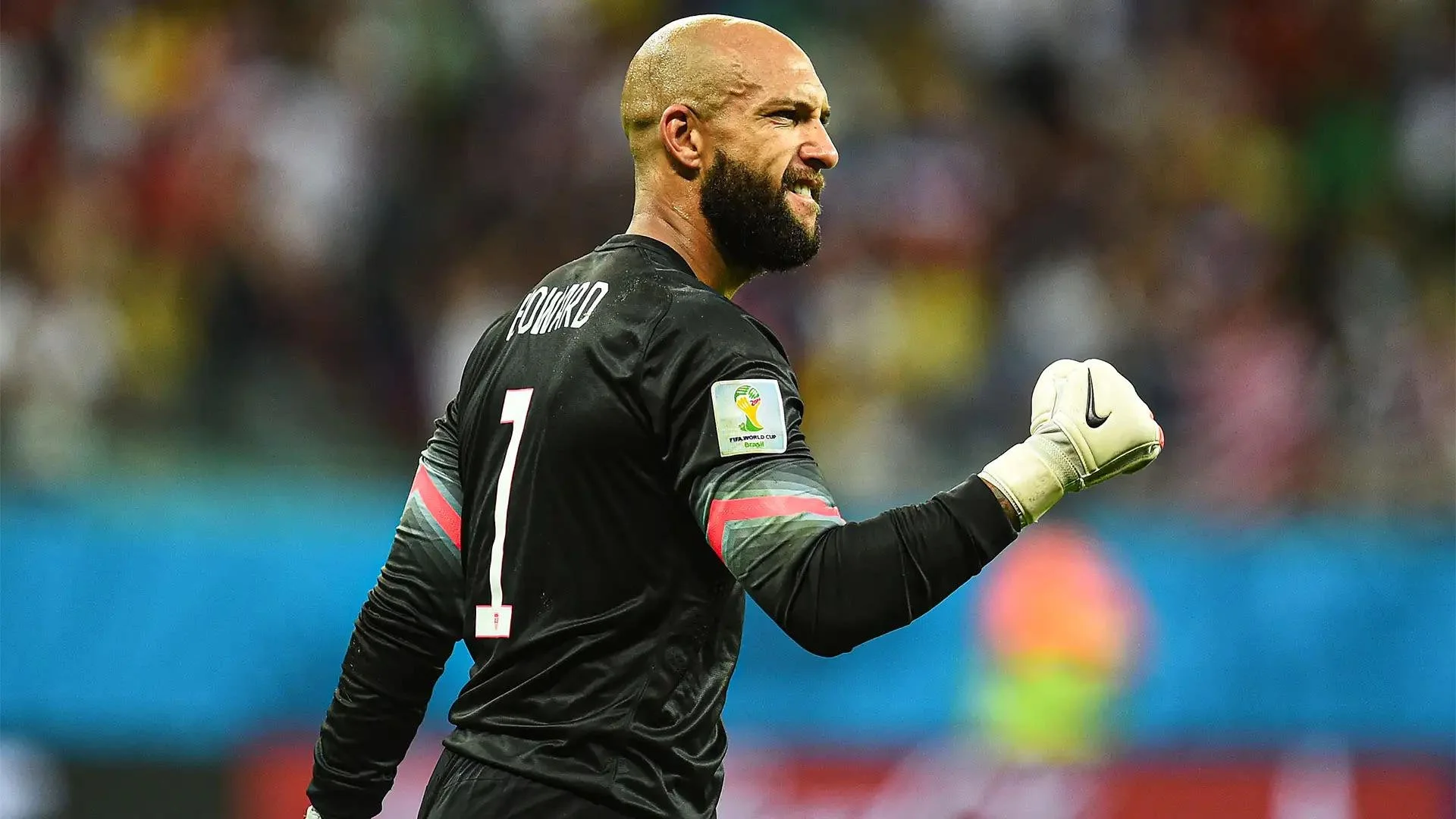
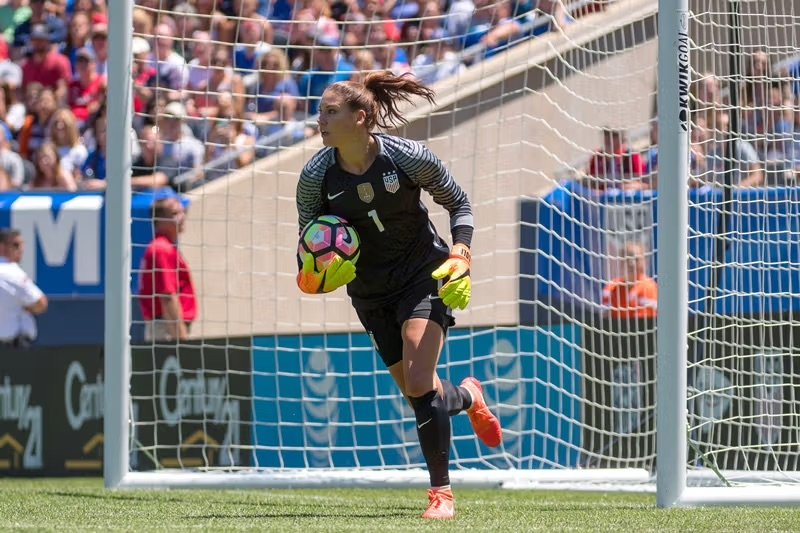
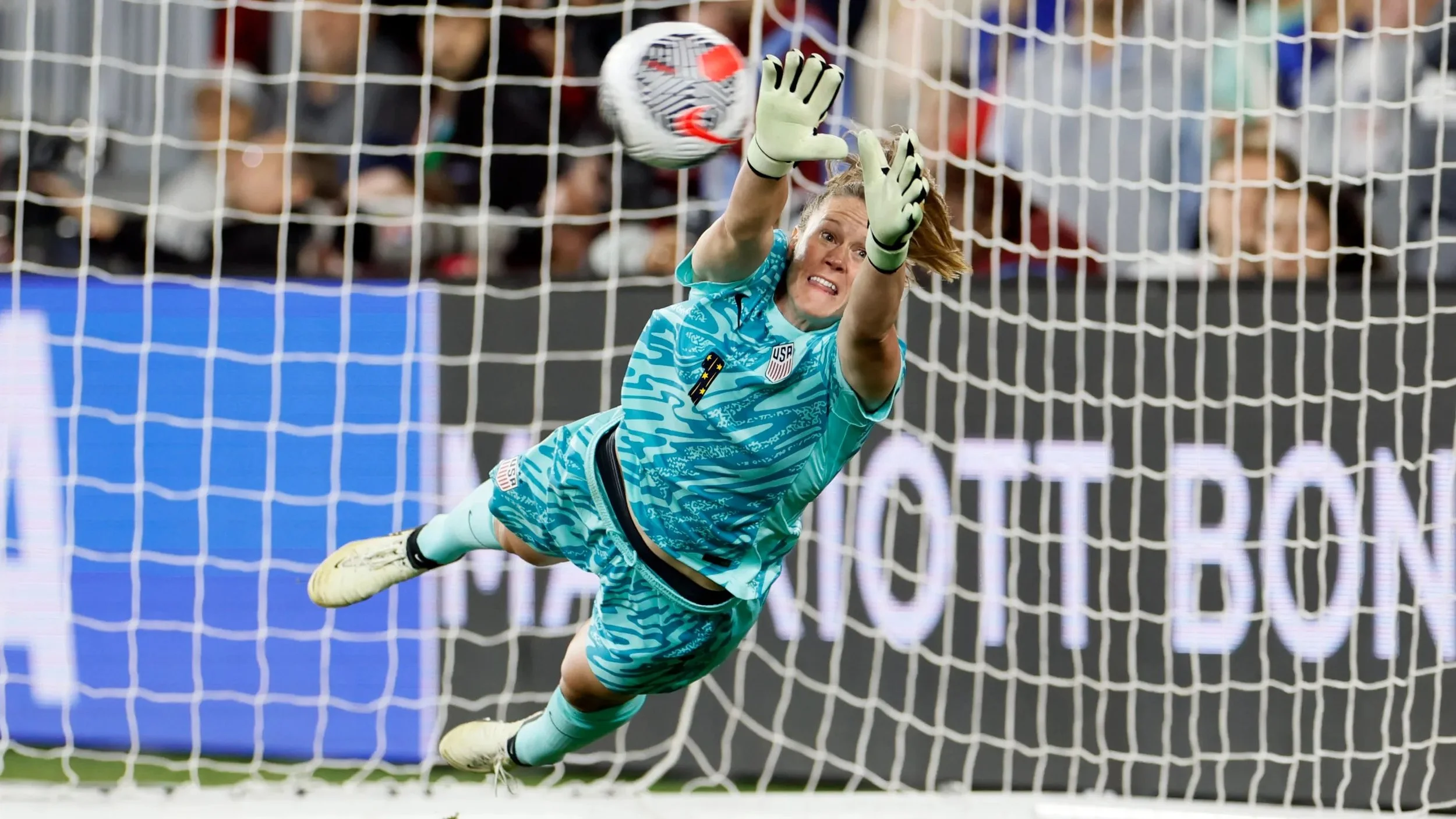
If you were to ask either the USWNT or USMNT fanbase about who the starting goalkeeper should be for the upcoming World Cups, brace yourself for the variety of answers you’ll receive. Gone are the days when Hope Solo and Tim Howard were unanimous picks. The lack of consensus is partly due to the plethora of encouraging prospects but mostly because of the dearth of convincing performances of young goalkeeper with their professional sides. And while it may take longer to integrate new faces into the national team - Aubrey Kingsbury didn’t receive her first cap until 30, despite winning two NWSL Goalkeeper of the Year awards prior to - there are a number of fans who are vocal about their willingness to hand the keys to the car over to the prospects immediately. So let’s take a look at our country’s top prospects under the age of 24.
Diving into the top U24 goalkeepers gives us an idea of what the rising talent pool looks like, although not to say that goalkeepers older than 24 are set in their ways with no outlook on development. But for these U24 goalkeepers, the rankings are centered on a combination of current form and projected ability to succeed at the next level. Younger goalkeepers receive less of a bump for potential, as they’re largely unproven, while the older goalkeepers are nearing their finished level. Ultimately, the group is sorted by their likelihood of reaching their respective senior national team, as viewed by Everybody Soccer.
USWNT Prospects
1. Izzy Lee, 22 - Illinois
2. Mia Justus, 23 - Utah Royals
3. Elizabeth Beardsley, 23 - Tampa Bay Sun
4. Liv Geller, 20 - TCU
5. Sonoma Kasica, 20 - Notre Dame
6. Victoria Safradin, 21 - Virginia
7. Olivia Shippee, 21 - Boston College
8. Teagan Wy, 22 - Gotham FC
9. Keegan Smith, 20 - Arkansas
10. Emmie Allen, 23 - Bay FC
11. Kate Ockene, 19 - Florida State
12. Caroline Dysart, 20 - Duke
13. Caroline Birkel, 19 - Stanford
14. Noe Henning, 19 - Michigan State
15. Jayden Emmanuel, 22 - Florida
16. Ellie Goodrich, 21 - Old Dominion
17. Aubrey Brown, 21 - SMU
18. Valentina Amaral, 21 - Wake Forest
19. Evan O'Steen, 18 - Seattle Reign
20. Annabel Austen, 22 - USC
21. Neeku Purcell, 22 - Seattle Reign
22. Cameron Gabrielson, 21 - Georgetown
23. Jordan Nytes, 22 - Denver Summit
24. Molly Pritchard, 22 - North Carolina Courage
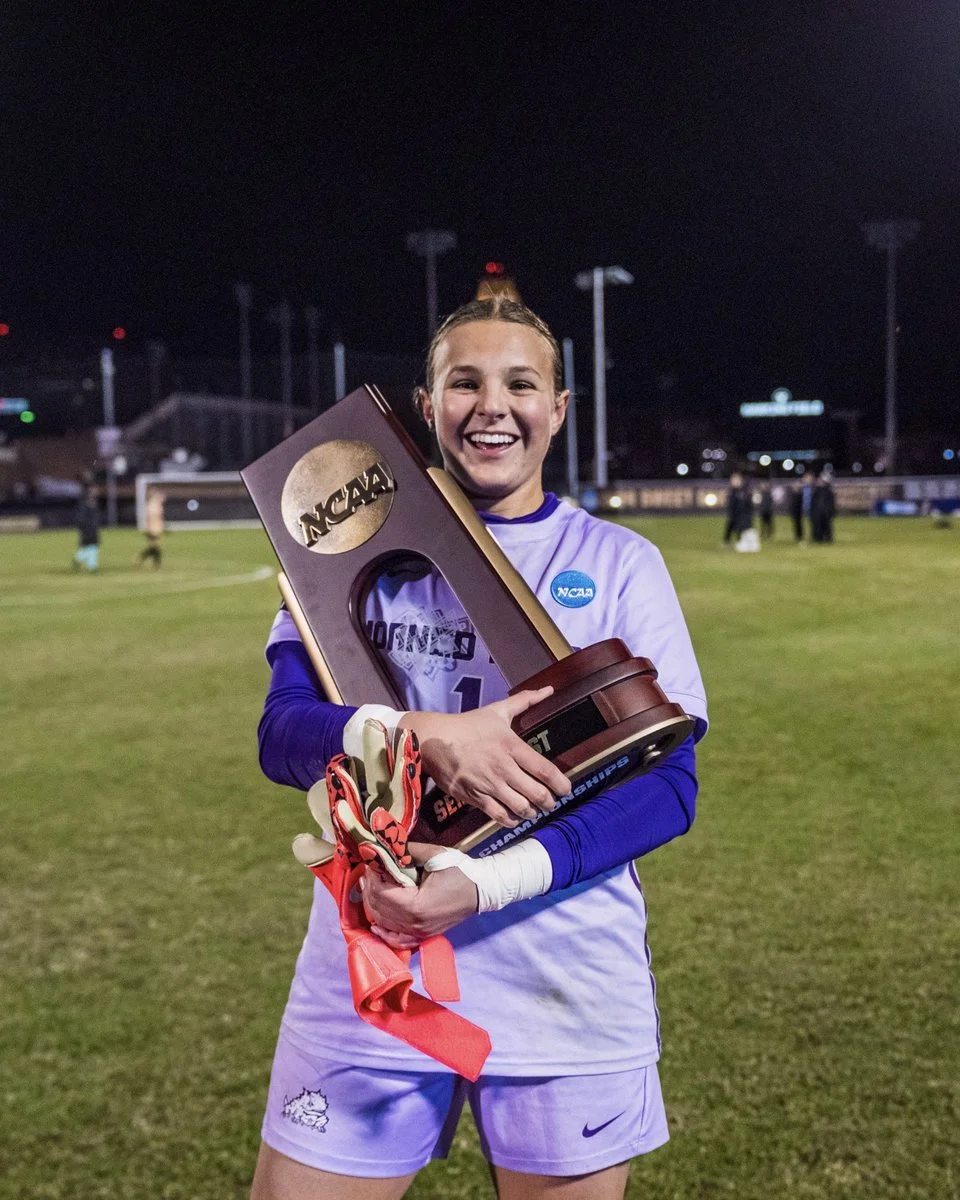
TCU goalkeeper, Liv Geller, looks to collect more hardware in 2026.
Bill says: The USWNT largely breaks down into two categories: athletes and gamers. Although there are some hybrids at the top of the list, goalkeepers like Kasica, Wy, Emmanuel, Brown, and Pritchard all have eyebrow-raising saves in their arsenal but their development now rests on their ability to absorb more responsibility in the game outside of shot-stopping. On the other side of the coin, goalkeepers like Geller, Ockene, and O’Steen aren’t the towering goalkeepers one might expect, yet they welcome some of the more complex moments of the game through grit and good goalkeeping intuition. But can they compete at the next level or will they always be a step behind?
All that to say, the pool feels a little incomplete. Whereas the men’s prospects are typically over-crafted and edging on a soulless, robotic entities in between the posts, the women’s pool leans the other way with goalkeepers relying heavily on their improvability. It’s a sense of relief that there aren’t any robots in the women’s game so obsessed with being hyper-technical, but that doesn’t mean there isn’t significant work to do.
Atop the mountain sit Lee, Justus, and Beardsley, who have all had impressive moments with their limited action and are just waiting on their chance to take over an NWSL side.
Big time save by Izzy Lee! https://x.com/IlliniSoccer/status/1989886946034717118
— Illinois Soccer (@IlliniSoccer) July 14, 2026
USWNT goalkeeper prodigies are often untested but, if things line up, their stock can skyrocket overnight. Unfortunately, none of them have a clear pathway forward, as even the professional goalkeepers have struggled to obtain consistent play time. But one thing is clear: for a goalkeeper to make it to the senior national team, they have to be playing in a top league in the world. Typically that means the NWSL but Phallon Tullis Joyce’s success overseas has opened an alternative path for aspiring goalkeepers. Now more than ever, there are multiple pathways for a young prospect to prove their ability to play at the highest levels.
USMNT Prospects
1. Chris Brady, 22 - Chicago Fire
2. Julian Eyestone, 20 - Brentford B
3. Diego Kochen, 20 - Barcelona #
4. Gavin Beavers, 21 - Brondby
5. Gabriel Slonina, 22 - Chelsea FC
6. Kayne Rizvanovich, 18 - Minnesota 2
7. Ethan Scally, 18 - Los Angeles FC 2
8. Duran Ferree, 19 - San Diego FC
9. Jack Kortkamp, 18 - Sporting Kansas City
10. Paul Walters, 22 - FC Cincinnati %
11. Noah Newman, 18 - University of Washington
12. Adam Beaudry, 20 - Colorado Rapids
13. Andrew Rick, 20 - Philadelphia Union
14. Antonio Carrera, 22 - Tigres UANL
15. Fred Heath, 18 - Manchester United U18
16. Zackory Campagnolo, 19 - Colorado Rapids
17. William Mackay, 18 - Huntsville City
18. Nicholas Holliday, 20 - Charlotte FC
19. Nicolas Montoya, 19 - North Texas SC
20. Graham Syrett, 18 - Wake Forest
21. Aidan Stokes, 18 - New York Red Bulls
22. Giorgio De Marzi, 19 - Roma
23. William Lodmell, 18 - Sporting Club
24. Guy Bar, 18 - Hapoel Jerusalem
# - loaned to Lyngby
% - loaned to Bohemian FC
Bill says: After a middling World Cup result, the USMNT’s goalkeeping department turns to prospects who skew towards the younger side. With Chris Brady making the World Cup roster, he’s currently the leading candidate for the 2030 World Cup number one, despite entering the summer tournament with only one cap to his name. Although he doesn’t have the technical cleanliness as Freese and Turner, he does have the ability to claw out a game-saving moment that most American goalkeepers are currently lacking. Time and time again, he’s done his best Tim Howard impression to keep the Fire in the game.
Brady Doing Brady Things https://x.com/ChicagoFire/status/2040613543838441533
— Chicago Fire (@ChicagoFire) April 4, 2026
If you asked most people, the next runner-up for 2030 would likely be Diego Kochen, who spent time in Spain’s fourth division with Barcelona’s reserve side. However, for the 2026/27 season, Kochen steps into the deep end of the pool with a loan move to Lyngby BK, a recently promoted Danish side desperate not to face a return trip to the second division. It’s hard to set expectations as the move is very reminiscent of Slonina’s time with Eupen, where the young American played fine but not great. Although Slonina had a brief spell with Barnsley on another loan move, he spent the entirety of 2025 at Chelsea hidden away somewhere from the public. Kochen needs a strong run in Denmark to avoid getting typecast as “just okay” and maintain his early momentum.
Over the past 12 months, Eyestone, Beavers, and Slonina have effectively been hiding from the public, causing concerns about their developmental track. The unfortunate problem for our young, professional goalkeepers is that once they turn 20, they often disappear for an extended time. And once they resurface, they’re not playing at a level that would make them competitive for the number one slot. But word on the street is Eyestone is being closely monitored by the USSF as the only other goalkeeper to match Brady’s shot-stopping abilities and Brentford is rating the young American highly within their stable.
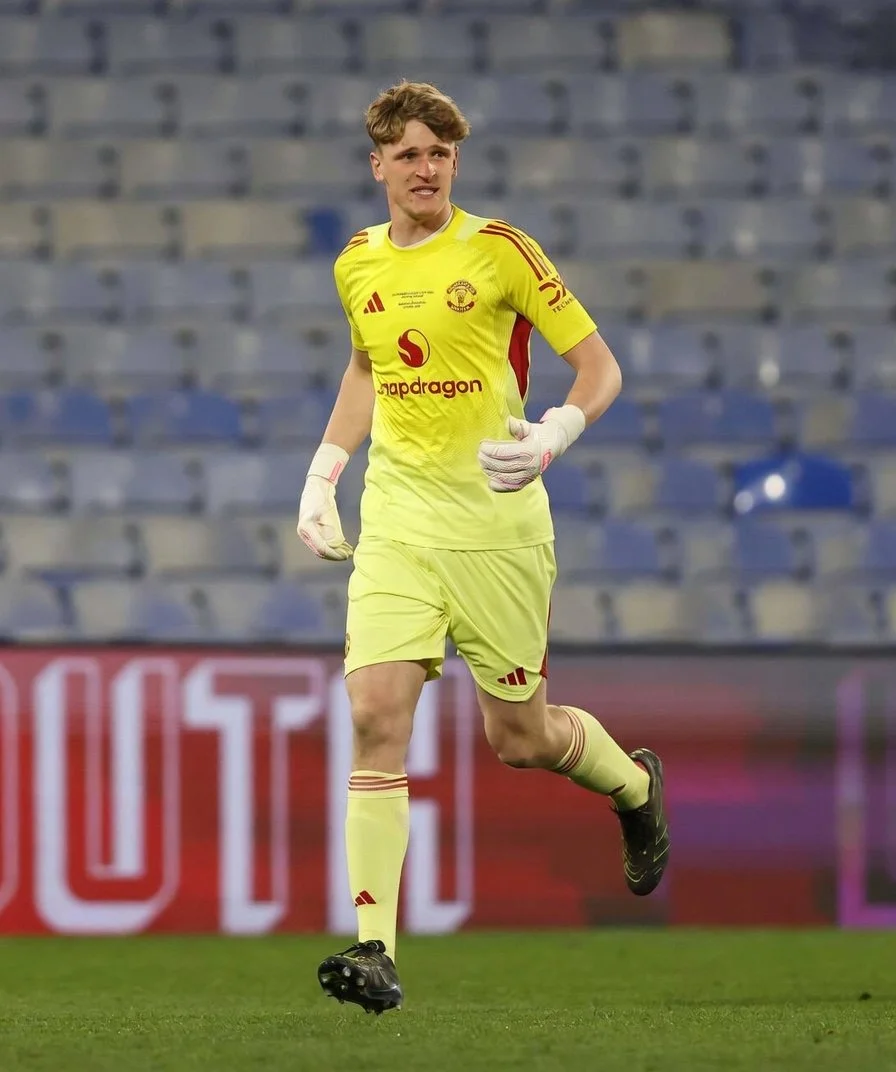
“18-year-old English-American Fred Heath has trained with Manchester United’s first team during their four-day road trip in Dublin. Born in England to an American mother, the 6’7” goalkeeper has been shining at the youth level for the Red Devils this season making 13 appearances with the U18s, keeping 6 clean sheets, and showcasing great presence and consistency between the post” - Footyaccess
Certainly some younger goalkeepers have caused waves for themselves but with so many previous goalkeepers getting buzz in their teenage years and then flatlining, it’s hard to know how much to expect from the younger crew. Even something as simple as expecting Newman and Syrett to continue their momentum as first years at their respective colleges isn’t a sure thing, as the American goalkeeping logjam is well documented within the collegiate ranks. Don’t be surprised if they sit for a year or two before finally seeing action.
For the European goalkeepers listed - Heath, De Marzi, Lomell, and Bar - they’ve all shown encouraging moments but so far they are either lacking consistent minutes or big-time moments where fans would say, “I’d like to see him in a US jersey”. There’s always excitement when a young goalkeeper is attached to a prestigious club like Barcelona or Manchester United but prestige only helps with development so much. USYNT fans are foaming at the mouth for a goalkeeper who can put a game on his back and keep his team in contention with clutch saves and a willingness to accept a modern goalkeeper’s responsibility. So far, they’re still waiting.