The History of American Goalkeeping (Part 4)

The History of American Goalkeeping continues with its fourth installment. Goalkeeper junkie Chris Barocas joins the podcast to speak on his time growing up playing goalkeeper in the 80s and 90s and how that ultimately led him to his current role as a goalkeeper coach for Chattanooga FC. Prior to joining Chattanooga, Chris coached at Inter Miami, New York Red Bulls, and Orlando City. Although goalkeeper coaches are typically known for having well thought out philosophies, Chris came prepared for our conversation with excellent hindsight and analysis of the current game.

Previous episodes

Episode 3 - Lori Kats
Episode 2 - Dr. Joe Machnik
Episode 1 - Steve Holroyd

The History of American Goalkeeping (Part 3)

For the third episode in the History of American Goalkeeping, Lori Kats and Bill Reno speak on what goalkeeping was like in the late 70s and early 80s in women’s soccer. Lori Kats was the first All-American goalkeeper in college soccer history and is a perfect guest to speak on the challenges in not only trying to figure out how to play a position with limited resources (lack of goalkeeper coaches or Instagram), but also pioneering the game itself for women in the US.

After two years at Lewis and Clark, Lori transferred to the University of Oregon, where she would finish her undergraduate degree, ultimately winning all-conference each year at both schools. Lori had a brief tryout with the USWNT in 1985 before finishing up as one of the true legends in American soccer. There are a lot of “greats” in soccer but there’s only one “first”.

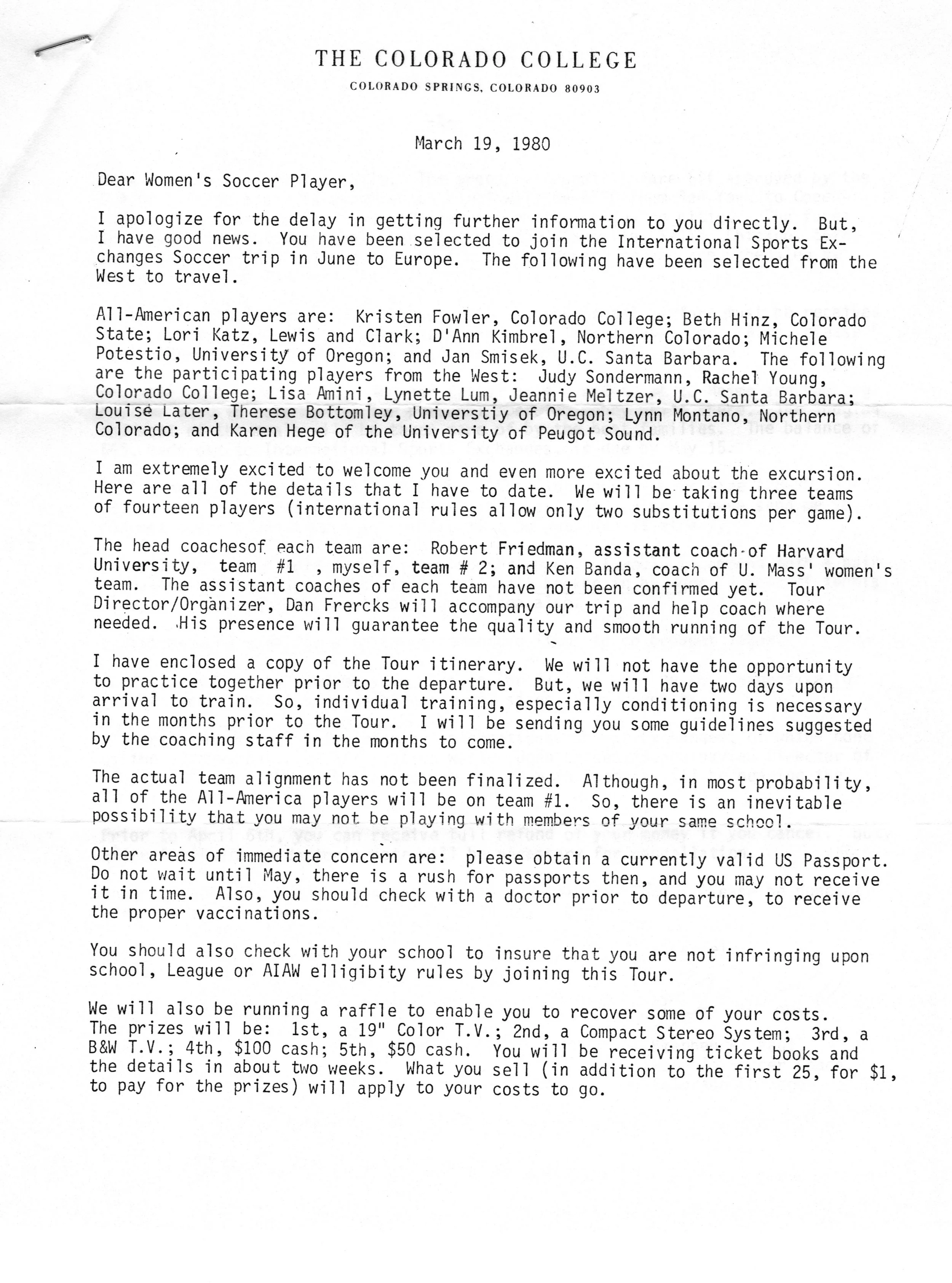
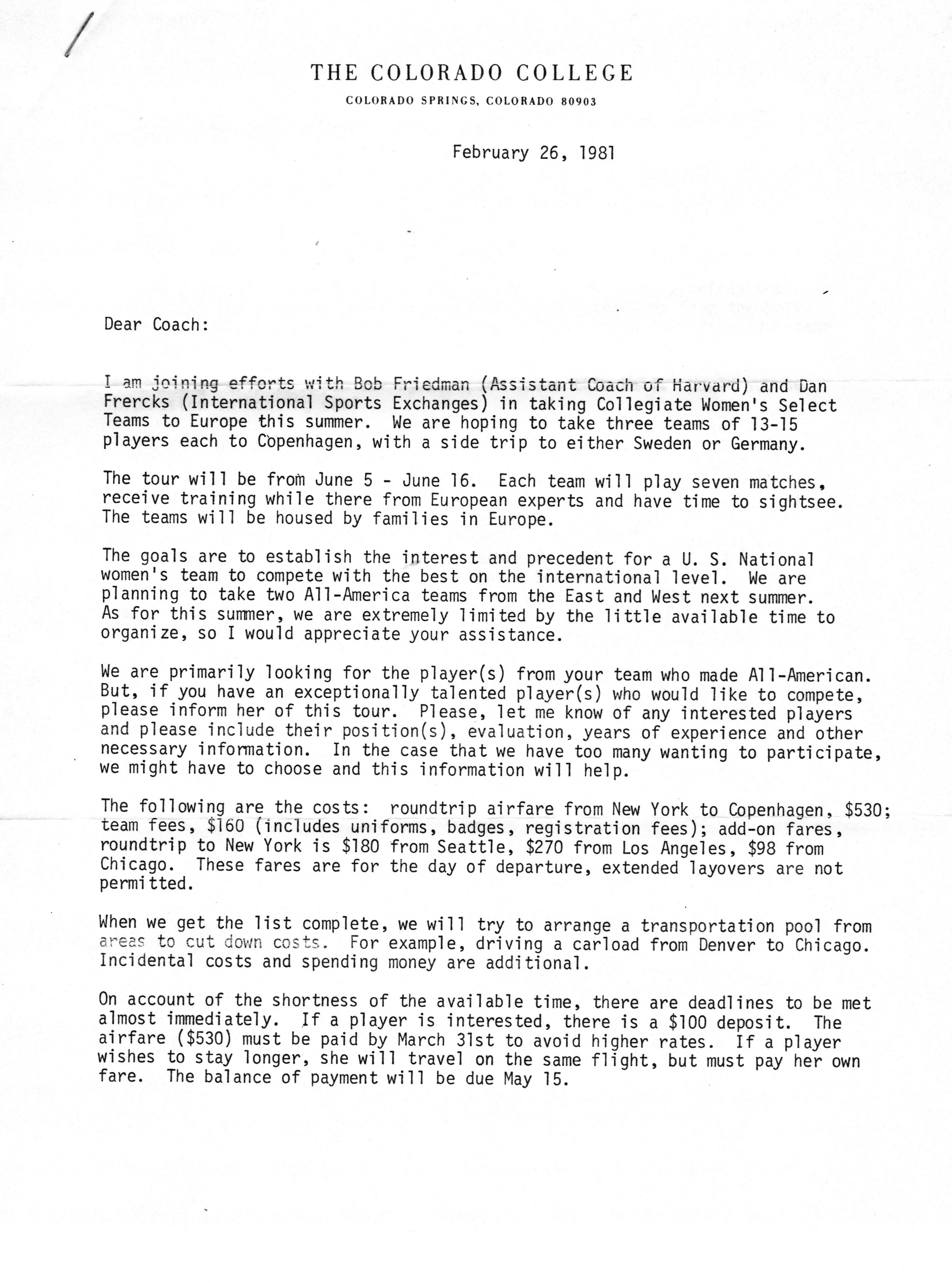
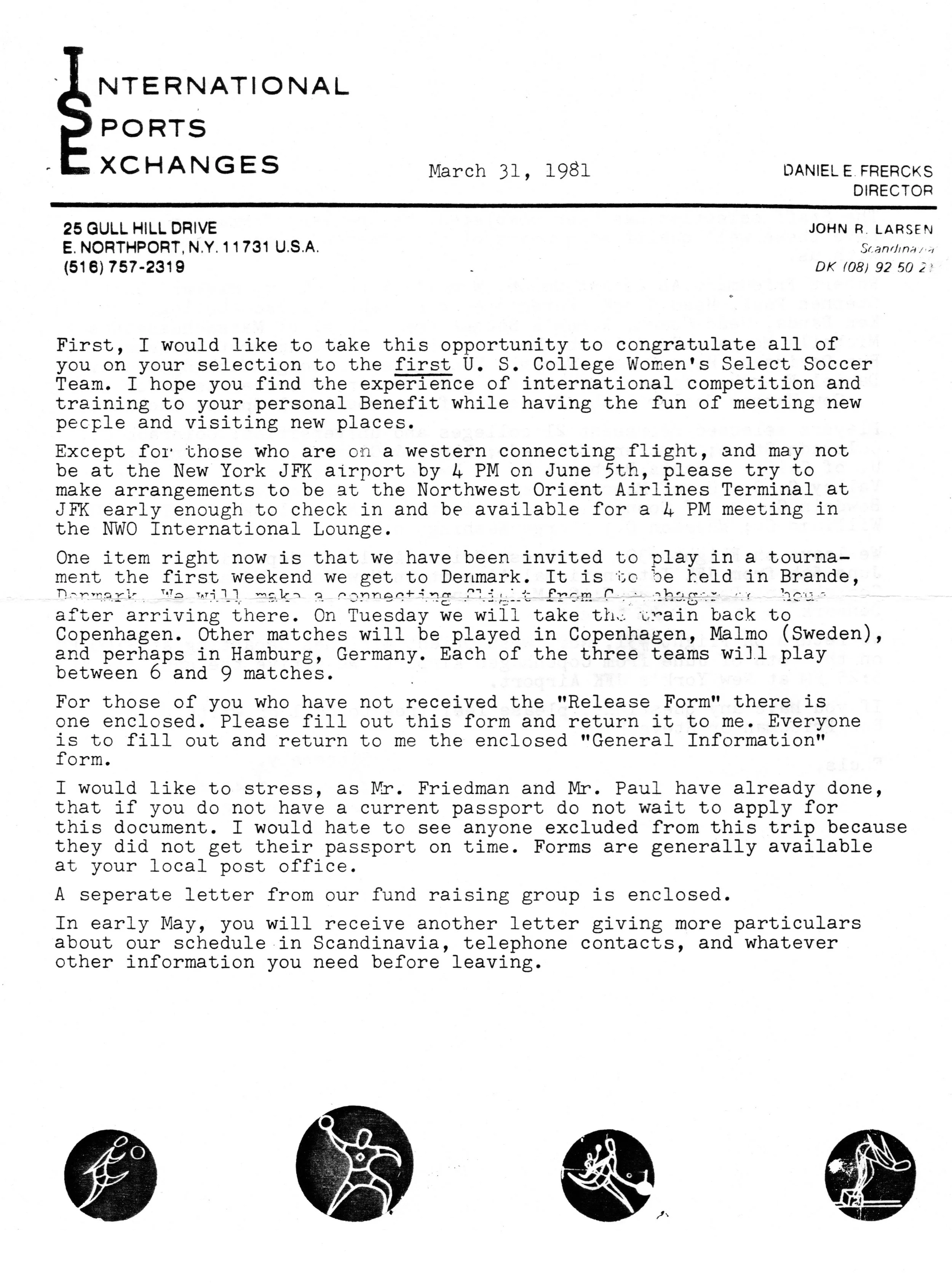
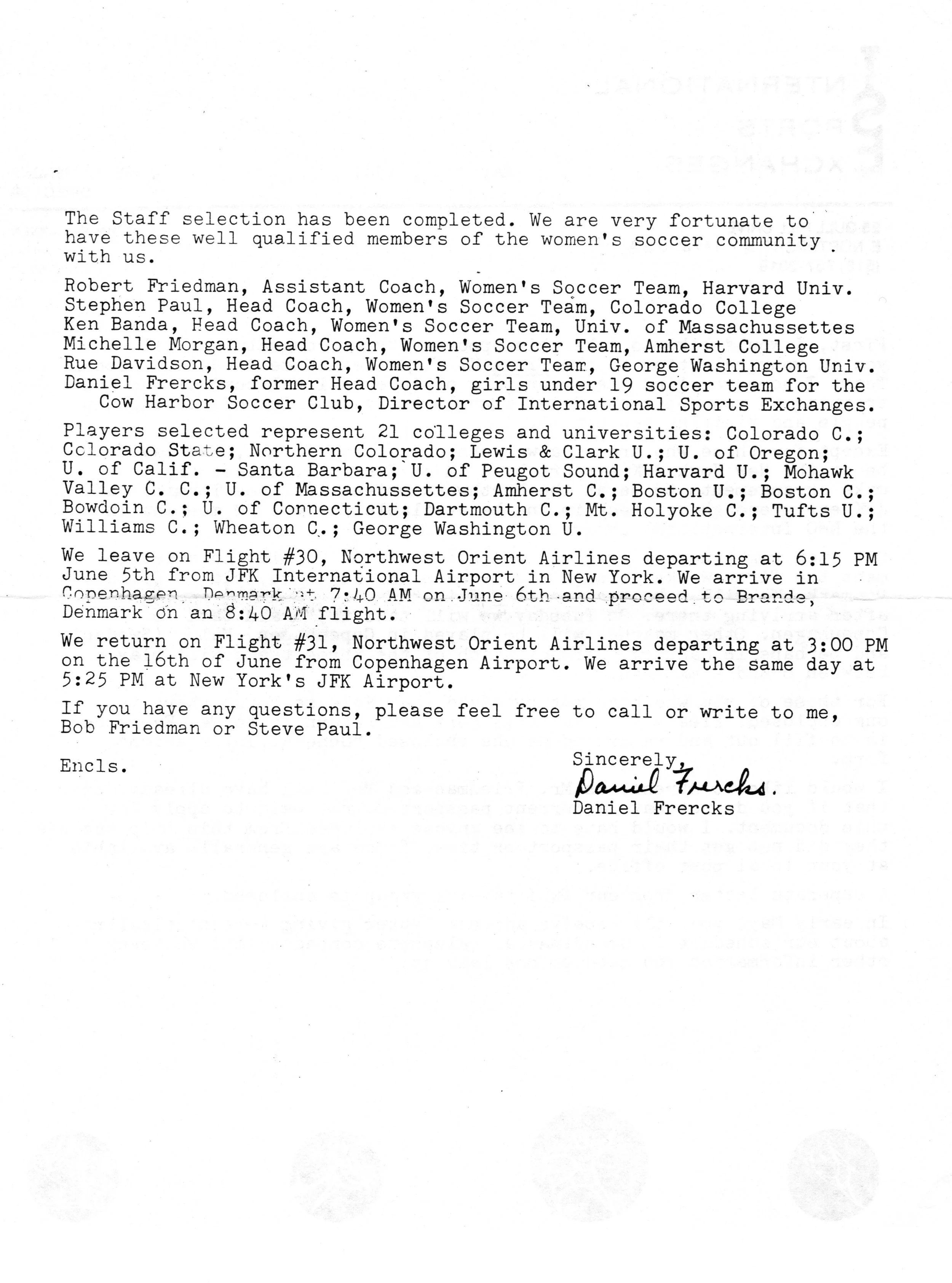
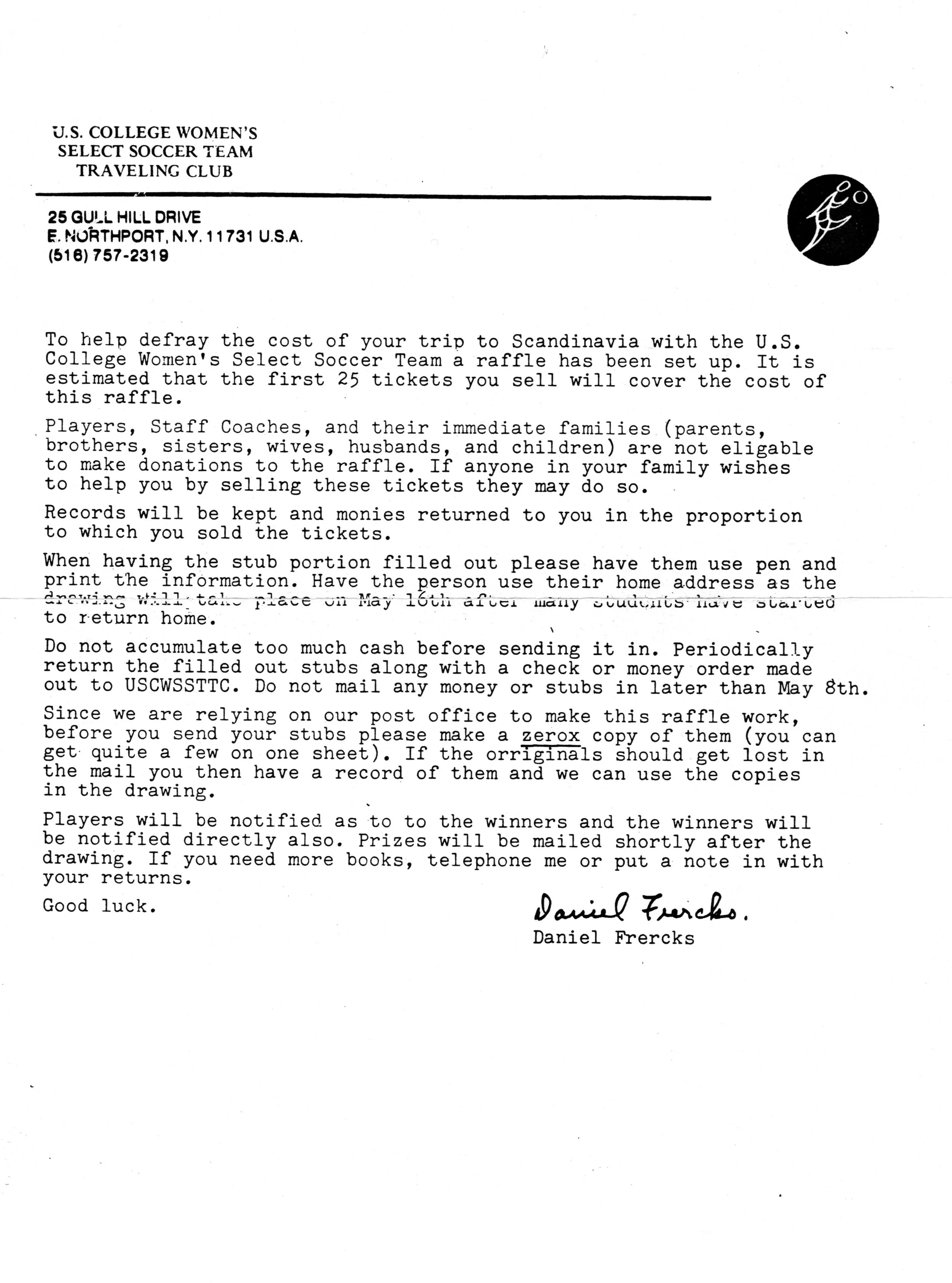
After the interview, Lori shared letters from the "International Sports Exchange" and the head coach at Colorado College about an all-star trip to Europe that she was invited on, including a patch each player received.

The History of American Goalkeeping (Part 2)

Continuing my four part series where we dive into the history of American goalkeeping. In the first episode, Steve Holroyd helped shed some light on the pre-NASL years and how American goalkeepers featured into the landscape. In our second episode we have Dr. Joe Machnik to talk about the next chapter in American goalkeeping with the NASL-era. In the previous talk, we mentioned the lack of goalkeeping education and how goalkeepers were largely on their own figuring out the position day-by-day. But here we start to see the beginnings of the American goalkeeping framework through the Dr. Machnik’s goalkeeper camps.

It was really difficult not to turn the conversation into me just asking him a bunch of questions about his career as one doesn’t end up in the US Soccer Hall of Fame by staying inside every day, but Dr. Machnik is the perfect guest to talk about this time as someone who watched it, participated in it, and shaped it for many years to come.

The History of American Goalkeeper (Part 1)

Audio Block
Double-click here to upload or link to a .mp3. Learn more

I’m excited to kick off a four-part series where we look back into the history of American goalkeeping. Where did it start? What did it look like? And how did it change over the years?

Historian Steve Holroyd - who has been a crucial cornerstone for my understanding of the history of the sport - helps me piece together all these questions as we dive into the pre-NASL era, which comprises of the “golden age” of the first American Soccer League (from 1921 to 1931) and the semi-pro era, which goes right up until 1967, at the start of the NASL.

In a time before the existence of goalkeeper coaches, goalkeeper camps, Instagram, or TikTok influences, you just have a person trying to figure out how to play a position all on their own. So with Steve, we talk about how teams attacked in this era, what was unique to the time, and what other outside factors influenced a goalkeeper’s style of play.

Although I’d be remised to overlook Jimmy Douglas’s 1930 World Cup run, Frank Borghi’s 1950 World Cup shutout against England, and, of course, other Hall of Fame goalkeepers such as Peter Renzulli, George Title, Stanley Chesney, and Gene Olaff. We don’t get into the micro-side of things with these players careers and, instead, discuss the macro-side of what was happening on the field stylistically speaking. So enjoy the first of a four-part series on the history of American goalkeeping.