NCAA Men's Goalkeeper Rankings (Preseason Fall 2026)

Goalkeepers are ranked based on a number of factors, mostly boiling down to recent performances and long-term potential. Everybody Soccer does its best to cover the hundreds of goalkeepers in collegiate soccer but ultimately it’s a team effort to platform the deserving goalkeepers. So if someone wishes to put a goalkeeper on the radar - or if you simply have questions or comments about the article - please reach out via the contact page.

Seniors

1. Nigel Van Haveren (FIU, Netherlands)
2. Wyatt Nelson (UCLA)
3. Rowan Schnebly (Stanford)
4. Seth Wilson (UNC Greensboro)
5. Devin Armstrong (Seton Hall)
6. Scott Williams (UC Irvine)
7. Andrew Samuels (Princeton)
8. Justin Stewart (Oregon State)
9. Marius Helias (Rider, France)
10. Owen Cornell (UIC)

11. Zack Andoh (California)
12. Jadon Bowton (Washington)
13. Kael McGowan (Southern Indiana)
14. Jonathan Munteanu (USC Upstate)
15. Levi Bieber (Seattle)
16. Eddie DeMarco (Louisville)
17. Cal L’Hommedieu (Washington U, D3)
18. Trevor Maloney (VCU)
19. Ky Mani Dade (Loyola Marymount)
20. Alex Svetanoff (Charlotte)

Storylines to Watch: Just so everyone is on the same page: there are no serious 25 year old goalkeepers in the college ranks. Without going roster-by-roster, there’s likely around a single-digit number of goalkeepers at that age in all of Division 1 soccer. However, they’re not playing college soccer at that age because they’re an amazing talent. The only reason a 25 year old goalkeeper is still playing college soccer is that it’s the only level that will take them, not to mention they’re a year or so away from retirement. College is the end of the line for these goalkeepers because they’re barely at the level, not way above it.

That said, it doesn’t mean there aren’t goalkeepers who took a winding path to get here. Armstrong, Williams, Stewart, Munteanu, and Svetanoff hit the transfer portal in hopes of finding a good springboard to wrap up their collegiate careers with.

Expect to see Schnebly, Wilson, Samuels, Andoh, and, of course, reigning national champion Bowton in postseason play. There aren’t many “easy” games in Division I, so even though they’ll be on one of the better squads more times than not, their teams will still need to see big saves throughout the season, not just in November.

Although there are some smaller schools to keep tabs on - McGowan and L’Hommedieu doing their best to put their universities on the map - watch out for Van Haveren and Wyatt to set the tone for the season. Both have an immensely high ceiling but 2025 was a tumultuous season for both goalkeepers. If they can get back to the good run they had before, they’ll be All-American candidates. If not, they’ll end up being some of the biggest “what ifs” in collegiate goalkeeping since the turn of the century.

Juniors

1. Blake Kelly (Notre Dame)
2. Matisse Hebert (UCF, Canada)
3. Jonah Mednard (Wake Forest)
4. Kyle Durham (Connecticut)
5. Matthew Hudson (Creighton)
6. Charles DeMarco (Georgetown)
7. Alastair Hafner Schnee (Holy Cross)
8. Sebastian Stanaj (Oakland)
9. Philip Hovers (Loyola Marymount)
10. Declan Finnegan (IU Indianapolis)

11. Kyle Jansen (Syracuse)
12. Leo Ledin (Virginia Tech, Sweden)
13. Aleksandar Kolar (Cleveland State)
14. Marten Brink (College of Charleston, Germany)
15. Connor O'Keefe (Loyola Maryland)
16. Carlito Saylon (Tulsa)
17. Kai Darrell (Williams, D3)

Storylines to Watch: Not a whole lot to build off of with this group. Although there are some standouts, the class is largely filled with goalkeepers off the radar at either smaller schools or ones who haven’t quite got the play time to really make the waves they’re looking for. Jansen entered college with a lot of buzz but still hasn’t really capitalized on it yet, while goalkeepers like Ledin and Kolar showed impressive moments over the past couple of years but both are so far off scouts’ radars it’s hard to really tout them.

Kelly, Mednard, and Durham are the clear American standouts with pro potential but scouts are going to want to see them all be more than just pure shot stoppers, with the most egregious example being Mednard’s amazing triple save yet his reluctance to handle aerial service in Wake’s 5-4 loss to SMU to end their season. It’s one thing to be a top college goalkeeper, it’s another thing to be a top goalkeeper in even just the USL.

It’s a polarizing group, none of whom have really stood up and said “I’ll take it from here.” Hopefully in 2026, we get some real contenders for potential USMNT prospects. Otherwise it’ll just end up being another proto-MLS Next Pro group that gets lost in the wash in a few years.

Sophomores

1. Jonathan Evans (SMU)
2. Judewellin Michel (Wisconsin, Canada)
3. Luke Shrivers (Wisconsin)
4. Aleksander Kapciak (Seattle)
5. Nick Bishop (Portland)
6. Cole Kowalski (Notre Dame)
7. Alex Provost (Denison, D3)
8. Jacob English (Southern Indiana)
9. Payton Roehrich (Fort Hays St., D2)
10. Keegan O'Brien (Cal St. Dom. Hills, D2)

11. Owen Barnett (Wake Forest)
12. Nash Skoglund (Coastal Carolina)
13. Joseph Grossman (Connecticut)
14. Owen Beninga (UC Santa Barbara)
15. Keller Krieger (Grove City College, D3)
16. John W. Smith Jr. (Holy Cross)
17. Jayden Quemada (Northeast CC, JUCO)

Storylines to Watch: Where the juniors have dropped the ball in establishing themselves, the sophomores have picked up the slack, albeit from all over the country. Lower division goalkeepers showed well for themselves last fall from D2 to D3 to JUCO. Admittedly, the lower levels don’t have a great history of continuing development for goalkeepers, so don’t be surprised if any of these goalkeepers transfer to the D1 game for more exposure. But as for right now, they’ve shown well.

Obviously the goalkeeping battle at Wisconsin will be one to watch as the Badgers brought in Canadian Judewellin Michel to challenge returner Luke Shrivers for the number one spot. Usually head coaches don’t just casually bring in an international goalkeeper so maybe the competition is already decided, but keep an eye out regardless.

Other goalkeeping battles to watch include Seattle (Bieber-Kapciak), Notre Dame (Kelly-Kowalski), Wake Forest (Mednard-Barnett-Syrett), Connecticut (Durham-Grossman), and Holy Cross (Schnee-Smith). Although some of those schools have fairly established starters, expect to see the underclassmen find minutes here and there to make a case for themselves, if not outright take the starting position like Florida State’s women’s team did last fall.

Skoglund leaves South Carolina for Coastal and English was awkwardly announced as a transfer to Kentucky, despite being back at Southern Indiana (or never left?). However, it’s Evans’ move to SMU that stands out the most. The former Penn State freshman took the starting spot and ran with it last fall, conceding just 18 goals in 14 games for the Nittany Lions. But a move to SMU propels the Mustangs into an even more favorable position for a postseason run.

Freshmen

1. Quinn Syrett (Wake Forest)
2. Lucas McPartlin (Saint Louis)
3. James Romero (Oregon State)
4. Zach Cielewich (Maryland)
5. Kai Zeruhn (Columbia)
6. Felix Huebner (Loyola Maryland)
7. James Rhodes (Pittsburgh)
8. Jan Hejna (Harvard)
9. Cooper Roney (Loyola Marymount)
10. Nathan Juillard (Santa Clara)

Storylines to Watch: Although the same sentiment from the women’s ranking applies (TLDR: preseason rankings for first years are a crapshoot), the men’s game has an added wrinkle that the women’s game doesn’t have. Goalkeepers like McPartlin and Cielewich have foreign talent ahead of them on the depth chart. Although some fans love to tout overtly nationalistic complaints of foreigners taking Americans’ spots, our top goalkeepers actually are propelled forward with the foreign infusion. They aren’t simply handed a starting spot for four years. They must earn it. And although the bottom 99% admittedly lose playing time at these schools to the international players, there are 1500 colleges that would still love to have them, not to mention the hundreds of USCCS teams around the country as well.

Sure, it’d be nice if Americans were filling every spot and playing at a high level, but if the international players were removed, the overall level plummets and our top prospects are worse off. And ultimately, if our top prospects can’t compete with Europe’s washouts, then they’re not top prospects to begin with.

For those complaining about Americans not getting enough chances, raise your complaints to the professional level, not the college ranks. Our top collegiate prospects are lifted up by the international players, not dragged down.

Past Collegiate Goalkeeper Rankings

2025: Preseason and Final
2024: Preseason and Final
2023: Preseason and Final
2022: Preseason and Final
2021: Preseason and Final
2020: Preseason and Final
2019: Preseason and Final
2018: Preseason and Final
2017: Preseason and Final
2016: Preseason and Final
2015: Preseason and Final
2014: Preseason and Final
NCAA Women's Goalkeeper Rankings (Fall 2026)

Goalkeepers are ranked based on a number of factors, mostly boiling down to recent performances and long-term potential. Everybody Soccer does its best to cover the hundreds of goalkeepers in collegiate soccer but ultimately it’s a team effort to platform the deserving goalkeepers. So if someone wishes to put a goalkeeper on the radar - or if you simply have questions or comments about the article - please reach out via the contact page.

Seniors

1. Izzy Lee (Illinois)
2. Victoria Safradin (Virginia)
3. Annabel Austen (USC)
4. Olivia Shippee (Boston College)
5. Keara Fitzgerald (Washington State)
6. Aubrey Brown (SMU)
7. Kate Phillips (Missouri)
8. Nona Reason (Clemson)
9. Ellie Goodrich (Old Dominion)
10. Sarah Wommack (Mississippi State)

11. Jayden Emmanuel (Florida)
12. Mallorie Benhart (South Dakota State)
13. Audur Scheving (LSU, Iceland)
14. Olivia Bodmer (Rutgers)
15. Jordan Brown (Georgia)
16. Atlee Olofson (Miami)
17. Jackie Hollomon (Notre Dame)

Storylines to Watch: The senior class is filled with goalkeepers looking to prove themselves as they either aim to finish on a strong note or propel themselves forward into the professional ranks. Fitzgerald and Brown are returning from injuries that derailed their 2025 seasons and while it’s clear both have plenty of gas left in the tank, questions will always surface about how quickly they can return to 100%.

Goalkeepers familiar with the transfer portal like Wommack (Appalachian State), Reason (UNC), and Olofson (Notre Dame) have yet to have that great season that shows why they transferred in the first place and now former Penn goalkeeper Annabel Austen joins the group as she headed west to join USC.

For goalkeepers like Brown, Emmanuel, and Bodmer, it’s been a lot of peaks and valleys so far in their collegiate careers. The question isn’t about the ceiling, which is high for each of them, but more about finding consistency as a great goalkeeper, not one who happens to find great moments every now and then.

All-American front runners have to include Lee and Safradin, both of whom spent time training with Racing Louisville this summer. The two are not only some of the more rounded out goalkeepers in the collegiate ranks, but their ability to make the game-saving action puts them in their own category.

There’s still a lot left to fight for in 2026 and the senior group should provide weekly highlights to thrill USWNT fans of upcoming prospects.

Juniors

1. Liv Geller (TCU)
2. Sonoma Kasica (Notre Dame)
3. Caroline Dysart (Duke)
4. Keegan Smith (Arkansas)
5. Valentina Amaral (Wake Forest)
6. Sarah Martin (Minnesota)
7. Mariangela Medina (UCLA, Mexico)
8. Cameron Gabrielson (Georgetown)
9. Nimu Karani (St. Louis)
10. Paloma Pena Toro (Florida, Dominican Republic)

11. Sammy Widnick (La Salle)
12. Kaiya Jota (Stanford)
13. Aris Lamanna (Coastal Carolina)
14. Sydney Fuller (Texas A&M)
15. Kennadie Marchand (Vanderbilt)
16. Jamie Campbell (Colorado)
17. Addie Todd (Texas Tech)

Storylines to Watch: The junior class enters 2026 largely trying to get the taste of 2025 out of their mouth. Very few of the top juniors notched the majority of their team’s minutes with their schools last season. Lamanna and Smith are returning from injuries, whereas exciting prospects like Medina, Gabrielson, Karani, Jota, Fuller, Marchand, and Campbell barely saw the field last season, despite clearly having the ability to play at the D1 level.

And looking at our top goalkeepers, they all had sour endings to 2025 and are certainly looking to finish on a stronger note in 2026. Whether it’s Geller mishandling a bouncing shot on frame against Florida State… or Kasica misplaying a cross in double overtime against Ohio State… or Dysart getting a better jump on the free kick against Stanford… or Amaral getting a strong hand against the looping shot from Michigan State… or Sarah Martin and Minnesota not being especially close to seeing even just the conference tournament… the juniors are likely looking forward to 2026 more than the other three classes.

Sophomores

1. Kate Ockene (Florida State)
2. Noe Henning (Michigan State, Canada)
3. Emilie Maihs (Kentucky, Germany)
4. Lexi Baldwin (Iowa)
5. Caroline Birkel (Stanford)
6. Molly Vapensky (Duke)
7. Hannah Folliard (Georgia)
8. Daphne Nakfoor (UCLA)
9. Charlotte Wilfert (UC San Diego)
10. Brooke Goerish (Colorado)

11. Tyra Bengtsson-Stenseth (San Francisco, Norway)
12. Mateya Dessieux (Texas)
13. Sienna Smart (Mississippi)
14. Brooklynn Harding (Illinois State)
15. Kennedy Zorn (Arizona State)
16. Pepper Escher (St. Louis)
17. Grace Shoemaker (High Point)
18. Chase Rooney (Virginia Tech)
19. Gianna Mlynek (Xavier)
20. Kaele Smith (NJIT)

Storylines to Watch: Unlike the junior class, the sophomores are looking to use 2025 as a positive stepping stone. Henning survived a tough goalkeeping battle with Zorn, although the latter has already found a new home to continue to build out her collegiate resume. And for other goalkeeping battles, Baldwin, Folliard, Nakfoor, and Goerish are all more than aware that their school has another top goalkeeper on their respective roster (scroll up or down to see who). It’s not a matter of having talent, but rather being able to create more winning moments for their team than their teammate can.

Goalkeepers like Vapensky, Smart, Harding, Shoemaker, Rooney, Mlynek, and Smith were largely off the radar in 2025 but all should make some noise this year, barring an untimely injury.

And although Wilfert was the surprise for 2025, going from relative unknown to a top prospect in her class, it’s Ockene who really left her stamp on the scene. Ockene’s nine-save shutout in the final against Stanford marked the highest profile goalkeeping moment in women’s college soccer since Katie Meyer’s 2019 penalty shootout heroics.

Unlike the other classes, just because someone’s not at the top of the list doesn’t mean they don’t have pro potential. The sophomore class is stacked and more goalkeepers who didn’t make the cut here will surely surface down the line to make a name for themselves.

First Years

1. Ella Wiederaenders (Tennessee)
2. Madelyn Macdonald (Georgetown)
3. Peyton Trayer (North Carolina)
4. Braelynn Galt (Iowa, Scotland)
5. Isabel Willems (Yale)
6. Natalie Cohen (Virginia)
7. Emeline McClenahan (Iowa State)
8. Wicki Dunlap (Virginia)
9. Malia Zillman (Michigan)
10. Lily Selvy (Penn State)
11. Ella Moersch (Iowa State)
12. Lizzie Thornton (Wake Forest)
13. London Phoenix (UNC Asheville, Jamaica)

Storylines to Watch: Preseason rankings for first years are always a crapshoot but these thirteen here - and there are more to come - are yet another stepping stone in women’s goalkeeper development. The general athletic level and tactical understanding of the position have skyrocketed from just ten years ago. The early part of the century didn’t see schools recruiting the program’s best goalkeepers they’ve ever had as even smaller schools are able to find young goalkeepers who can cover more and more of the goalframe.

It’s much too early to say anything of real substance for these goalkeepers other than the new “5 for 5” rule should pave an easier pathway for these goalkeepers to get minutes, if they’re anywhere near ready to play. No longer do goalkeepers have to sit a year to preserve a redshirt and even a 45 minute spell can be a significant vote of confidence in knowing where first years stand in the school’s long-term plans.

Past Collegiate Goalkeeper Rankings

2025: Preseason and Final
2024: Preseason and Final
2023: Preseason and Final
2022: Preseason and Final
2021: Preseason and Final
2020: Preseason and Final
2019: Preseason and Final
2018: Preseason and Final
2017: Preseason and Final
2016: Preseason and Final
2015: Preseason and Final

How Cashback Bonuses Work at Crypto Casinos and How to Claim Them

Crypto casinos have genuinely changed the relationship between players and their losses. Cashback bonuses are a big part of why. Rather than walking away empty-handed after a rough session, you get a slice of what you lost returned to your account, sometimes automatically, sometimes on a fixed weekly schedule. It's player-friendly. But the details shift enough between sites that understanding them before you play makes a real difference, because payout frequency, percentage rates, whether the casino calculates returns on net losses or total wagers, and withdrawal conditions all affect the actual value you're getting. This article breaks down the mechanics clearly so you can tell a genuinely good deal from one that just looks good on paper.

What Cashback Bonuses Actually Are at Crypto Casinos

Cashback at a crypto casino means you get some of your losses back, paid in crypto instead of regular money. It's a simple idea. The casino looks at either your net losses (what you deposited minus what you withdrew) or the total amount you bet, then gives you back a set percentage — usually between 5% and 25%, depending on the casino and your loyalty level. Most casinos work out how much you're owed daily, weekly, or monthly, then pay it out on a set date. The details change from casino to casino - JB, Cloudbet, and Fortune Jack, for example, all offer different percentages, different levels you need to reach, and different payout schedules. Once you know how it works, you can claim your exclusive bonuses and actually understand what the numbers mean, instead of treating it like some vague bonus nobody bothers to read the fine print on.

Crypto transactions speed the whole thing up considerably. There's no bank in the middle, so the refund hits your account in minutes rather than days; you can move it straight into your next session or withdraw it directly, depending on the terms attached.

How the Percentage and Payout Structure Work

The percentage you receive back is almost never flat across the board. Tiers decide everything. Most crypto casinos run a tiered system where your cashback rate climbs as you play more and move up their loyalty or VIP program, so a new player might see 5% returned on weekly losses while someone at a premium tier could see 15% or more. The math is always the same: multiply your eligible loss by the cashback percentage, and that's your return. So if you lost $500 in a qualifying week and your rate is 10%, you'd get $50 back in crypto.

Payout timing varies. Some casinos deposit the return automatically every Monday; others require you to manually trigger the claim inside your account dashboard. There's often a minimum loss threshold before cashback kicks in at all, sometimes as low as $20, sometimes higher. Check that threshold first, because it determines whether a quiet session even qualifies.

The Difference Between Loss-Based and Wager-Based Cashback

Here's the thing: this distinction matters more than most players realize. Loss-based cashback is calculated on your net losses: what you deposited minus what you withdrew during the period. Wager-based cashback is calculated on your total bet volume regardless of outcome. Loss-based is the more player-friendly model because you only get a return on money you genuinely lost. Wager-based can look generous on paper since even a winning session builds qualifying bet volume, but the return percentage is usually much lower to compensate. Know the difference before you commit.

The type of cashback a casino offers also shapes how you should approach your play. Strategy shifts with the model. With loss-based cashback, there's no benefit to chasing wagers during a winning session, whereas with wager-based, consistent volume matters more than any single session's outcome. Most US-friendly crypto casinos now favor the loss-based model; it's easier to understand and tends to build more trust with players over time. Read the promotion page carefully to confirm which model applies before you deposit.

How to Claim Cashback Bonuses at Crypto Casinos Step by Step

Claiming cashback isn't difficult, but the process differs enough between sites that skipping the fine print is a real risk. Some casinos credit the amount automatically with no action required. Others expect you to log in, navigate to a promotions or rewards tab, and manually hit a claim button within a specific window, often 24 to 48 hours after the cashback period closes. Miss that window, and the balance can expire unclaimed. Not ideal.

The claim process typically follows a short, predictable sequence once you know what to look for.

Reading the Terms Before You Opt In

The terms attached to cashback bonuses are the part most players skip, and that's exactly where the critical information lives. Don't skip them. You need to know the wagering requirement on the returned funds, because some crypto casinos pay out cashback with zero playthrough attached, meaning you can withdraw the returned crypto immediately, while others attach a 1x or 3x rollover, which is still manageable. But some sites list cashback with a 5x or higher rollover, and that significantly cuts into the actual value of the promotion.

Beyond wagering requirements, check which games count toward satisfying that rollover. Slots typically contribute 100%. Table games and live dealer titles might contribute 10% or less, which can quietly extend the playthrough far beyond what you expected. Also confirm whether the cashback has a maximum cap. A casino advertising 15% cashback might cap the weekly return at $200, regardless of your actual losses, so knowing the cap beforehand lets you set realistic expectations before a session even starts.

Timing Your Claim for Maximum Value

Timing plays a bigger role than most players expect. Many crypto casinos run cashback on a weekly cycle that resets at midnight UTC on Sunday or Monday. Play a big losing session on Saturday, then win some of it back on Sunday before the period closes, and your net loss for the week drops, and so does your cashback return. Some players deliberately hold off on additional play until after a cashback payout lands, so each new period starts from a neutral position. That approach works best with loss-based programs.

For sites that require manual claims, setting a calendar reminder is a small habit that stops real money from expiring unnoticed. It takes thirty seconds. Crypto casinos do occasionally run limited-time cashback promotions with higher percentages, often tied to sports events or new game launches, and keeping an eye on the promotions tab during those windows can get you a meaningfully better return than the standard rate.

Conclusion

Cashback bonuses are among the most straightforward promotions at crypto casinos, and they genuinely reduce the cost of a losing session over time. What matters is knowing whether a site uses loss-based or wager-based calculation, what percentage applies at your level, and whether the returned funds come with a rollover requirement or none at all. Understanding how cashback bonuses work at crypto casinos and how to claim them puts you in a far stronger position to judge which sites offer real value and which just use the label without the substance. Check the terms, confirm the claim window, and track your net losses across each period, so you always know what's coming when the payout arrives.

The 24 Best U24 American Goalkeepers

If you were to ask either the USWNT or USMNT fanbase about who the starting goalkeeper should be for the upcoming World Cups, brace yourself for the variety of answers you’ll receive. Gone are the days when Hope Solo and Tim Howard were unanimous picks. The lack of consensus is partly due to the plethora of encouraging prospects but mostly because of the dearth of convincing performances of young goalkeeper with their professional sides. And while it may take longer to integrate new faces into the national team - Aubrey Kingsbury didn’t receive her first cap until 30, despite winning two NWSL Goalkeeper of the Year awards prior to - there are a number of fans who are vocal about their willingness to hand the keys to the car over to the prospects immediately. So let’s take a look at our country’s top prospects under the age of 24.

Diving into the top U24 goalkeepers gives us an idea of what the rising talent pool looks like, although not to say that goalkeepers older than 24 are set in their ways with no outlook on development. But for these U24 goalkeepers, the rankings are centered on a combination of current form and projected ability to succeed at the next level. Younger goalkeepers receive less of a bump for potential, as they’re largely unproven, while the older goalkeepers are nearing their finished level. Ultimately, the group is sorted by their likelihood of reaching their respective senior national team, as viewed by Everybody Soccer.

USWNT Prospects

1. Izzy Lee, 22 - Illinois
2. Mia Justus, 23 - Utah Royals
3. Elizabeth Beardsley, 23 - Tampa Bay Sun
4. Liv Geller, 20 - TCU
5. Sonoma Kasica, 20 - Notre Dame
6. Victoria Safradin, 21 - Virginia

7. Olivia Shippee, 21 - Boston College
8. Teagan Wy, 22 - Gotham FC
9. Keegan Smith, 20 - Arkansas
10. Emmie Allen, 23 - Bay FC
11. Kate Ockene, 19 - Florida State
12. Caroline Dysart, 20 - Duke

13. Caroline Birkel, 19 - Stanford
14. Noe Henning, 19 - Michigan State
15. Jayden Emmanuel, 22 - Florida
16. Ellie Goodrich, 21 - Old Dominion
17. Aubrey Brown, 21 - SMU
18. Valentina Amaral, 21 - Wake Forest

19. Evan O'Steen, 18 - Seattle Reign
20. Annabel Austen, 22 - USC
21. Neeku Purcell, 22 - Seattle Reign
22. Cameron Gabrielson, 21 - Georgetown
23. Jordan Nytes, 22 - Denver Summit
24. Molly Pritchard, 22 - North Carolina Courage

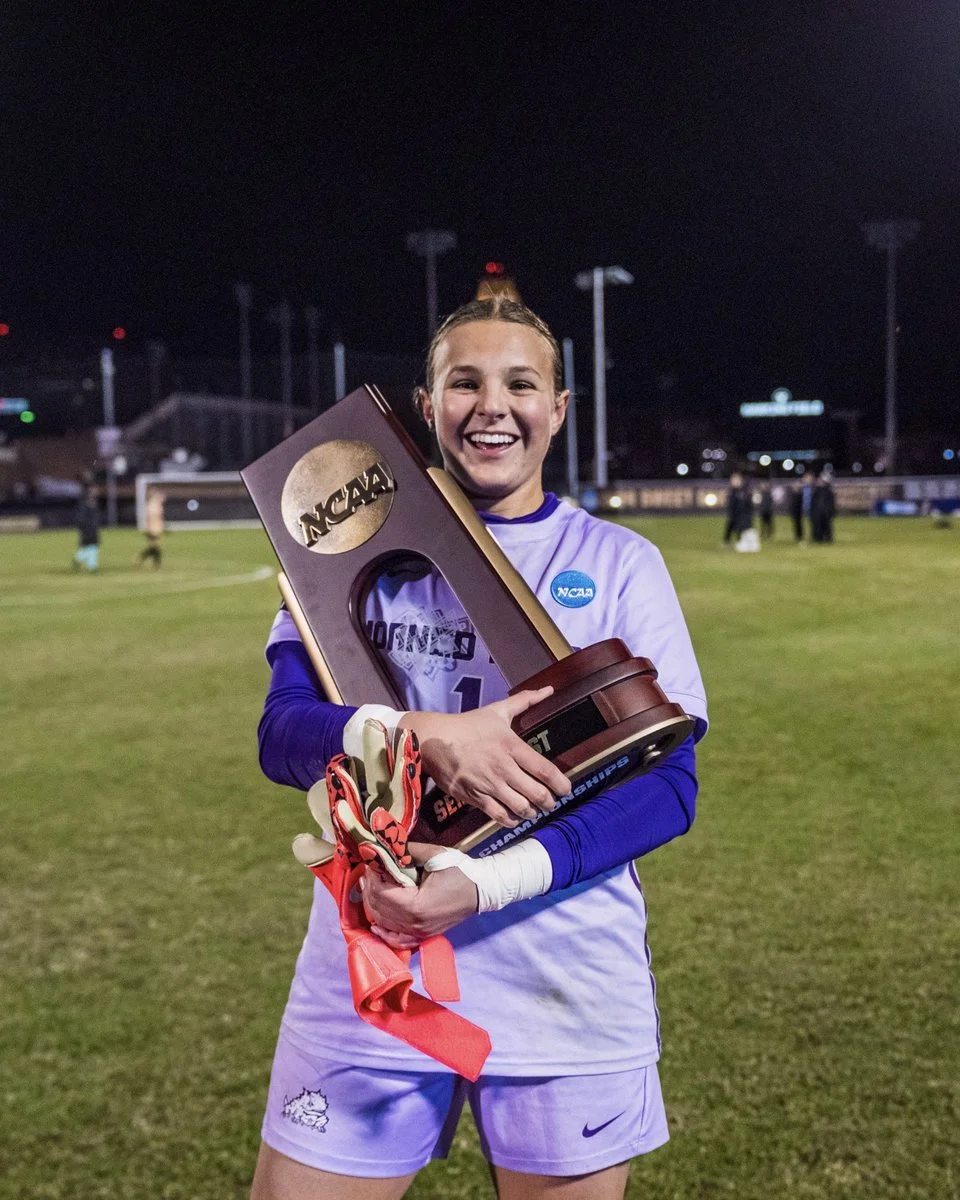
TCU goalkeeper, Liv Geller, looks to collect more hardware in 2026.

Bill says: The USWNT largely breaks down into two categories: athletes and gamers. Although there are some hybrids at the top of the list, goalkeepers like Kasica, Wy, Emmanuel, Brown, and Pritchard all have eyebrow-raising saves in their arsenal but their development now rests on their ability to absorb more responsibility in the game outside of shot-stopping. On the other side of the coin, goalkeepers like Geller, Ockene, and O’Steen aren’t the towering goalkeepers one might expect, yet they welcome some of the more complex moments of the game through grit and good goalkeeping intuition. But can they compete at the next level or will they always be a step behind?

All that to say, the pool feels a little incomplete. Whereas the men’s prospects are typically over-crafted and edging on a soulless, robotic entities in between the posts, the women’s pool leans the other way with goalkeepers relying heavily on their improvability. It’s a sense of relief that there aren’t any robots in the women’s game so obsessed with being hyper-technical, but that doesn’t mean there isn’t significant work to do.

Atop the mountain sit Lee, Justus, and Beardsley, who have all had impressive moments with their limited action and are just waiting on their chance to take over an NWSL side.

USWNT goalkeeper prodigies are often untested but, if things line up, their stock can skyrocket overnight. Unfortunately, none of them have a clear pathway forward, as even the professional goalkeepers have struggled to obtain consistent play time. But one thing is clear: for a goalkeeper to make it to the senior national team, they have to be playing in a top league in the world. Typically that means the NWSL but Phallon Tullis Joyce’s success overseas has opened an alternative path for aspiring goalkeepers. Now more than ever, there are multiple pathways for a young prospect to prove their ability to play at the highest levels.

USMNT Prospects

1. Chris Brady, 22 - Chicago Fire
2. Julian Eyestone, 20 - Brentford B
3. Diego Kochen, 20 - Barcelona #
4. Gavin Beavers, 21 - Brondby
5. Gabriel Slonina, 22 - Chelsea FC
6. Kayne Rizvanovich, 18 - Minnesota 2

7. Ethan Scally, 18 - Los Angeles FC 2
8. Duran Ferree, 19 - San Diego FC
9. Jack Kortkamp, 18 - Sporting Kansas City
10. Paul Walters, 22 - FC Cincinnati %
11. Noah Newman, 18 - University of Washington
12. Adam Beaudry, 20 - Colorado Rapids

13. Andrew Rick, 20 - Philadelphia Union
14. Antonio Carrera, 22 - Tigres UANL
15. Fred Heath, 18 - Manchester United U18
16. Zackory Campagnolo, 19 - Colorado Rapids
17. William Mackay, 18 - Huntsville City
18. Nicholas Holliday, 20 - Charlotte FC

19. Nicolas Montoya, 19 - North Texas SC
20. Graham Syrett, 18 - Wake Forest
21. Aidan Stokes, 18 - New York Red Bulls
22. Giorgio De Marzi, 19 - Roma
23. William Lodmell, 18 - Sporting Club
24. Guy Bar, 18 - Hapoel Jerusalem

# - loaned to Lyngby
% - loaned to Bohemian FC

Bill says: After a middling World Cup result, the USMNT’s goalkeeping department turns to prospects who skew towards the younger side. With Chris Brady making the World Cup roster, he’s currently the leading candidate for the 2030 World Cup number one, despite entering the summer tournament with only one cap to his name. Although he doesn’t have the technical cleanliness as Freese and Turner, he does have the ability to claw out a game-saving moment that most American goalkeepers are currently lacking. Time and time again, he’s done his best Tim Howard impression to keep the Fire in the game.

If you asked most people, the next runner-up for 2030 would likely be Diego Kochen, who spent time in Spain’s fourth division with Barcelona’s reserve side. However, for the 2026/27 season, Kochen steps into the deep end of the pool with a loan move to Lyngby BK, a recently promoted Danish side desperate not to face a return trip to the second division. It’s hard to set expectations as the move is very reminiscent of Slonina’s time with Eupen, where the young American played fine but not great. Although Slonina had a brief spell with Barnsley on another loan move, he spent the entirety of 2025 at Chelsea hidden away somewhere from the public. Kochen needs a strong run in Denmark to avoid getting typecast as “just okay” and maintain his early momentum.

Over the past 12 months, Eyestone, Beavers, and Slonina have effectively been hiding from the public, causing concerns about their developmental track. The unfortunate problem for our young, professional goalkeepers is that once they turn 20, they often disappear for an extended time. And once they resurface, they’re not playing at a level that would make them competitive for the number one slot. But word on the street is Eyestone is being closely monitored by the USSF as the only other goalkeeper to match Brady’s shot-stopping abilities and Brentford is rating the young American highly within their stable.

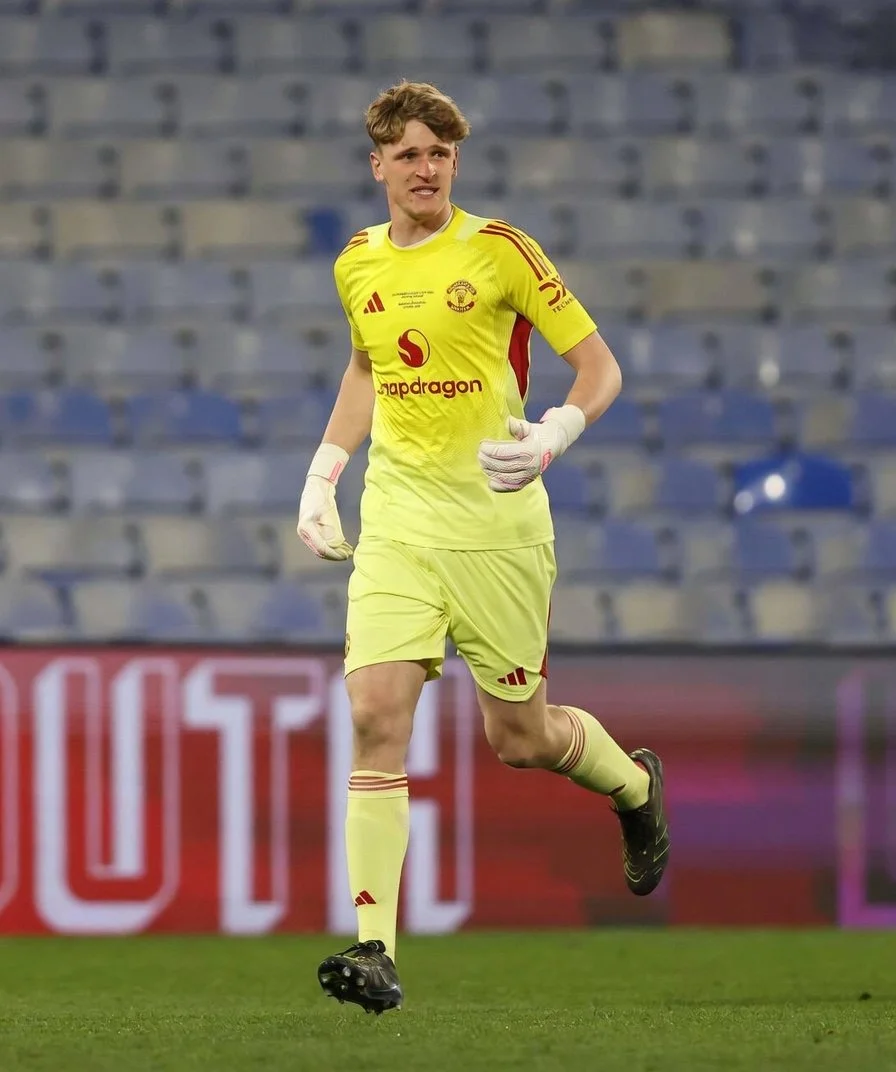
“18-year-old English-American Fred Heath has trained with Manchester United’s first team during their four-day road trip in Dublin. Born in England to an American mother, the 6’7” goalkeeper has been shining at the youth level for the Red Devils this season making 13 appearances with the U18s, keeping 6 clean sheets, and showcasing great presence and consistency between the post” - Footyaccess

Certainly some younger goalkeepers have caused waves for themselves but with so many previous goalkeepers getting buzz in their teenage years and then flatlining, it’s hard to know how much to expect from the younger crew. Even something as simple as expecting Newman and Syrett to continue their momentum as first years at their respective colleges isn’t a sure thing, as the American goalkeeping logjam is well documented within the collegiate ranks. Don’t be surprised if they sit for a year or two before finally seeing action.

For the European goalkeepers listed - Heath, De Marzi, Lomell, and Bar - they’ve all shown encouraging moments but so far they are either lacking consistent minutes or big-time moments where fans would say, “I’d like to see him in a US jersey”. There’s always excitement when a young goalkeeper is attached to a prestigious club like Barcelona or Manchester United but prestige only helps with development so much. USYNT fans are foaming at the mouth for a goalkeeper who can put a game on his back and keep his team in contention with clutch saves and a willingness to accept a modern goalkeeper’s responsibility. So far, they’re still waiting.