America's 100 Greatest Goalkeepers (81-90)

These goalkeepers are part of a bigger project, which you can find here. Pictures of the goalkeepers were posted when available. Newspaper clippings’ date and newspaper are found in the file name. Click on the photo galleries to enlarge the picture to read more about the goalkeeper.

81. Tom Presthus

The drive from Minnesota to Texas isn’t a short one but it was one Tom Presthus made to kickstart his collegiate career at Southern Methodist University. Hailing from Edina, Minnesota, Presthus quickly established himself as a standout goalkeeper with the Mustangs. In Presthus’ junior year, SMU received a two-seed entering the national tournament before losing out to eventual winners, Wisconsin, in the Elite Eight. But heading into the 1997 MLS draft, Presthus had put himself on national radars and was selected by DC United with the 20th pick.

The Minnesotan quickly gathered his footing in DC, starting seven games his rookie season and becoming the hero of the penalty shootout against New England in the quarterfinal playoff matchup. The following season, head coach Bruce Arena made a late-season switch to put Tom Presthus in goal over Scott Garlick, and the call paid off with the young goalkeeper leading the team to the final. Although the final was a 2-0 loss to the Chicago Fire, refs would later admit they missed a crucial offside call on one of the goals, casting a large “what if” over the final score.

Looking to avenge a sour final, Presthus and DC United came back strong in 1999. Riding high, Presthus notched his lone cap with the national team in February before starting a dominant run in MLS play that year, winning the Supporters’ Shield and capturing a 2-0 win over the Galaxy in the MLS Cup final.

Unfortunately, the good times did not last long in DC as the team failed to make the playoffs the following year and the franchise immediately entered a rebuild mode. Presthus was traded to Columbus before the 2001 season, where Presthus would face a young upstart goalkeeper named Jon Busch. In 2002, Presthus lost the starting spot to Busch and “rather than sulking, Presthus supported and mentored Busch, who backstopped Columbus to the 2002 Lamar Hunt U.S. Open Cup championship that year.” After the 2003 season, Presthus would retire due to a lingering elbow injury.

From 1998 to 2001, Presthus played in two MLS Cup finals, was capped by the national team, won two MLS Supporters’ Shields, was named an MLS All-Star, and was a finalist for MLS’s Goalkeeper of the Year award twice. Unfortunately, stacking injuries and limited professional opportunities forced the 28-year-old’s hand to call it quits heading into the 2004 season. For newer MLS fans, Tom Presthus’ career is often overlooked but the SMU alum is a great example of a goalkeeper who was a top goalkeeping prospect before injuries derailed his momentum, denying fans a chance to see Presthus’ true ceiling.


82. Ian Feuer

Before skipping college to go play in Europe wasn’t much of a conversation in 1988 but Feuer did just that. Standing at an imposing 6'7", Feuer left the States at 16 to join Club Brugge. While Feuer was a reserve in the Belgian league, the Las Vegas native was called up to the 1992 Olympic team as a backup to Brad Friedel and earned a cap with the senior national team in the same year. As limited opportunities stunted his time overseas, Feuer returned to the US in 1993 to earn Rookie of the Year honors for the Los Angeles Salsa in MLS precursor, the APSL.

Feuer used this success to bounce back across the pond, this time with West Ham United and then a loan-turned-permanent move to Luton Town, following Juergen Sommer’s time with the club. After years of finally grinding in the trenches, Feuer was given the reins at Luton Town in 1995, a second-tier English club, only to have a front row seat to the Hatters relegation in 1996. In spite of Luton Town’s offensive woes (scoring less than one goal a game on average), Feuer was hailed as the player of the season and retained his starting spot for the 1996-97 season, where the team would narrowly miss promotion, finishing third in the table.

Feuer’s 90-game starting streak with Luton Town was broken in the 1997-98 season when inconsistent play and a muscle tear in his shoulder ultimately led to his return to the US. However, Feuer’s persistent efforts to make it in England would be rewarded with his first start in the English Premier League coming with West Ham in April of 2000, before retiring in 2002.

Feuer isn’t just remembered for his imposing height, which granted the ability to display jaw-dropping saves, but his continued efforts helped garner confidence in English managers and owners to bring in more American goalkeepers after Feuer proved Americans could handle England’s physical and unforgiving game.


83. Don Malinowski

Off the heels of a strong showing at the 1950 World Cup, the federation did very little to capitalize on the national team's success. Just two years later, the US would suffer an embarrassing 8-0 loss at the 1952 Olympics against Italy, which would be a sign of more to come. The national team wouldn’t crack the world’s top fifty until the mid 1980’s, leaving goalkeepers like Don “Pug” Malinowski left with little to build off of. Although Don “Pug” Malinowski was named a backup to the 1952 Olympic squad, it was stateside where he shined brightest. Malinowski and the Harmville Hurricanes won the National Challenge Cup in 1952 and 1956, as Malinowski would also take the Hurricanes to the semifinals in ‘53 and ‘57, with a brief effort with Castle Shannon reaching the 1954 semifinal as well. With his team’s success giving him a foundation to showcase his own skills, Malinowski was routinely referred to as one of, if not the best, goalkeeper in the country throughout the 50’s.

In January of 1954, Malinowski joined the national team for their World Cup qualifying, while the US federation had seemingly self-sabotaged their World Cup chances. The federation agreed to play the home-and-home matches exclusively in Mexico, complained about FIFA’s new rules for only allowing fully fledged citizens on the field, scheduled the senior team to arrive just one day before their first match against Mexico, and only organized two international matches in the 3.5 years since the 1950 win over England.

With the USSFA’s secretary JJ Barriskill openly announcing "We seem to have little chance [against Mexico]", the US unsurprisingly dropped the first match against Mexico, 4-0 and effectively were knocked from World Cup contention in just the one game. For the second game, Malinowski started over Frank Borghi and earned much praise for his efforts in the 3-1 loss as the US held a lead going into halftime.

After a 1955 friendly against Iceland, Malinowski was relegated to the alternate goalkeeper for the 1956 Olympic team, which was met with outrage in various outlets, and his time with the national team ended there. Malinowski kept his amateur status his entire career, trying out for the Olympic team one more time in 1960, and was a real hometown hero. Reportedly known for making friends with fans during the game, he was characterized as a good-natured, fun-loving goalkeeper who would do whatever it took to keep the ball out of the net.


84. Walter Romanowicz

After a stint with St. John’s FC of Fall River, Romanowicz joined Ponta Delgada in the mid-1940’s to start a dominant run in national play. Romanowicz and Ponta Delgada reached the National Challenge Cup semifinals three times from 1946 to 1948, winning the prestigious tournament in 1947. Alongside these efforts, Romanowicz retained his amateur status and won the National Amateur Cup three years in a row (1946-48). With Romanowicz and Ponta Delgada winning the rare double in 1947, Romanowicz was propelled to the national team for the two-game 1947 NAFC Championship tournament. Although the US would lose both matches, Romanowicz would continue to be requested back to the national team as far as 1950. Ahead of the iconic 1950 World Cup matchup against England, it was Walter Romanowicz, not Frank Borghi, who was first requested onto the team. Bill Graham wrote for the Brooklyn Eagle in August of 1949, “For the first time in many years there is doubt about the goalie who will cop the place on the team. Walter Romanowicz of Ponta Delgada F.C. of Fall River is the first selection but can’t get away from business. This is the one position that America could formerly challenge the world to produce a better.”

Although a brief tenure with the national team and club soccer as a whole, Romanowicz was a quiet pillar in the post-war era, when American soccer was largely backed by ethnic clubs punching above their weight and players who balanced a playing career without the financial resources that today’s players receive.


85. Dan Kennedy

A four-year starter at UC Santa Barbara, Kennedy’s college career would come to a heartbreaking finish as the Gauchos fell to the Indiana Hoosiers in the 2004 NCAA final. Despite a strong senior season, the Gauchos subbed in penalty specialist Kyle Reynish at the end as Kennedy could only watch from the sidelines. Despite the sour finish, Kennedy showed well enough to be drafted just a month later by Chivas USA in the 2005 MLS SuperDraft, although the California franchise ultimately chose not to sign the new goalkeeper, leading Kennedy to carve his own path elsewhere.

Kennedy’s independence was rewarded as his standout play for the Puerto Rico Islanders led to being named USL’s Rookie of the Year in 2005. He would play for the Islanders for two years before heading south to Chile for a season. Kennedy would eventually make his way back to Chivas USA in 2008, but, once again, a door closed after untimely injuries derailed his return, as well as not being able to fulfill a national team call-up in the winter of 2008-09. Regardless, Kennedy continued pushing forward and in 2012, Kennedy finished third for the MLS Goalkeeper of the Year award. Seven years after each MLS franchise passed on him in the SuperDraft, Kennedy’s resilience proved the doubters wrong as he had now established himself as one of the best not only in MLS, but for all American goalkeepers.

Kennedy wowed fans with his quick reactions, backed by his Hispanic-influenced goalkeeping style. His hyper-mobile approach, as opposed to an English rigid set position, allowed him to bet on his ability through aggressive, front-footed defensive actions. Kennedy’s career isn’t littered with many team awards - as even his best season in 2012 was on the worst team in MLS - yet his determination to not let a closed door define him is an encouraging story for every goalkeeper who’s ever been overlooked before.

86. Charley LaBarge

Over the course of the 1920’s and 30’s, LaBarge quickly made a name for himself inside St. Louis’ soccer circles as a promising young goalkeeper. LaBarge joined Vesper Buick ahead of the 1924 National Challenge Cup and elevated himself into a star player before the club even arrived at the final. Despite the 4-2 loss in the final, Indiana Flooring manager Ernest Viberg said that LaBarge and Dave Barnett’s goalkeeping talent “surpassed anything we have seen in the American Soccer League.”

LaBarge would continually shine in the National Challenge Cup, returning to finals three more times, in 1929, 1932, and 1933, the last two with Stix, Baer, and Fuller. Unfortunately, LaBarge’s career was marred by injuries and much speculation arose on whether he had any talent later in his career. In 1932, Herman Wecke wrote that “At the start of the season, LaBarge was supposed to be ‘all washed up’. But apparently he has taken a new lease on life,” praising the goalkeeper for outstanding recent performances and decision-making in goal.

The road to capturing the Cup in 1933 was no easy task for LaBarge. Less than a week before the final, LaBarge was released from the club for “the welfare of the club” over financial disputes but was oddly reinstated just days later. LaBarge was tight-lipped about the specifics of the affair and set his sights on finally capturing the elusive trophy. The first of the two-legged was a shutout by LaBarge but the St. Louis goalkeeper received a concussion from a blow to the head, leaving his status for the second match in question. LaBarge was ultimately cleared to play by doctors, conceding only one goal in the second leg against the strong ASL representative, the New York Americans, and finally winning the National Challenge Cup.

Alongside David Barnett and Charles McGarry, LaBarge was inducted as one of the first goalkeepers into St. Louis’ prestigious Soccer Hall of Fame in 1971.


87. Joe Willis

Joe Willis’ career can largely be summed up as him banging on the door until someone opened it or the door fell off its hinges. Willis earned a call-up to the U20s in October of 2006 but ultimately lost out to Chris Seitz and Brian Perk being named to the World Cup squad. Willis, not one to take no for an answer, continued his successful, yet quiet, college career. In the 2011 draft, DC United acquired Willis as a backup for Bill Hamid and despite Willis’ clear role established by DC, he would still find moments to shine. In 2012, Willis rode a seven-game unbeaten streak while Hamid was with the U23s and would save a crucial penalty in the quarterfinals during the playoffs when Hamid went off with a red card.

After a trade sent Willis south to Houston, he once again had a difficult battle for the number one spot with Tyler Deric. Willis and Deric would repeatedly trade off time, although Willis would get his chances in the 2017 playoffs and the 2018 Open Cup, the latter of which he picked up his second US Open Cup trophy, this time starting in the Cup final.

After the back and forth with Houston, a trade with Nashville finally gave Willis a chance to showcase his talents. In 2021, Willis finished third in Goalkeeper of the Year voting, proving the long wait was worth it for the Denver Pioneer alum. The no-nonsense and drama-free goalkeeper enters the 2026 season ranked 7th all-time in MLS starts for a goalkeeper and has yet to let go of his starting position in his 16th year as a pro.

88. Theodore Bondi

Theodore “Ted” Bondi was the perennial multi-sport athlete. In addition to being on the basketball, baseball, and swimming teams at Brockport, Ted Bondi was a standout goalkeeper. Despite Brockport’s limited success on the national level, Bondi was named an All-American goalkeeper each year, the only goalkeeper to ever accomplish this.

After graduating Brockport and earning his master’s in education at UNC, Bondi joined the Air Force and eventually returned to his hometown of Genoso, NY, where he would begin playing soccer again, as well as coaching soccer, basketball, football, baseball, lacrosse, and swimming in the area.

Despite domestic soccer being at a very low point in the 1950s, Bondi’s untouched collegiate accomplishment and loyalty to his hometown highlight him as both the common man and an outstanding goalkeeper for his time. Bondi passed away in 2010 after being named in multiple Hall of Fames in the northeast and now has a memorial scholarship named after him.

Whereas goalkeepers like Brad Friedel and Tony Meola managed to dominate the college level at a time when there was no professional structure, Bondi’s accomplishments were a level above even those national team stalwarts when it comes to recognition at the collegiate level, putting the everyday sportsman into a tier of his own.

89. Bob Denton

After stints with Disston (1929-30) and Lighthouse (1931), Denton would make substantial waves for himself in 1933 after a quarterfinal finish in the National Challenge Cup with the Philadelphia German-Americans, as well as capturing the first of two back-to-back trophies in the National Amateur Cup (‘33 and ‘34). Denton would add to his trophy case with an ASL Championship in 1935 and winning the 1936 National Challenge Cup. The success with the German-Americans made Denton a mainstay in the conversation for top goalkeepers in the country during the 1930’s, whether amateur or professional.

For the 1936 Olympics, Denton earned an invitation into the 17-person squad. Although Denton didn’t feature in the Olympics - starter Frank Bartkus was lauded as being the second best goalkeeper at the entire tournament after conceding only one goal to eventual champions, Italy - Denton continued his strong run in ASL play through the back part of the 30’s. A nearly career man with the Philadelphia German-Americans, Denton is one of Pennsylvania’s top goalkeepers of all time.

90. Dragan Radovich

Throughout college soccer’s entire existence, there have been many standout goalkeepers, including Randy Phillips, Skip Gilbert, Peter Mannos, Peter Arnautoff, and Ed Gettemeier. Although all these goalkeepers were standouts for a time, Radovich matched their efforts and then some. A 1978 graduate of St. Francis College, Radovich was a three-time first-team All-American goalkeeper and a first-round draft pick for the NASL’s Washington Diplomats. Radovich reached the playoffs in his rookie season but was later signed by the Timbers in 1982, before the team - and then soon after the league - both ceased operations. Radovich finished with 48 appearances in the NASL during his limited time, 11th all-time for American goalkeepers.

Despite the NASL closing its doors, Radovich’s passion for the game would not be subdued, playing wherever he could for as long as he could. In 1986, Radovich was featured in the NY Mundalito (a "Long Island version of the World Cup") while in 1989, Radovich was featured in the Northeastern Super Soccer League All-Stars squad, facing off against Zalgiris Vilnius of the Soviet Union's First Division. But Radovich’s career was not without its bumps in the road. In 1989, Radovich and the Greek-Americans made it to the US Open Cup final only to fall in extra time. The following year was even more heartbreaking for Radovich, now with the Brooklyn Italians, as a soft goal by the Croatian-American ended up leading to a 2-1 loss in the final. However, in 1991, Radovich’s third trip to the final would appropriately cap off a long and winding career with a 1-0 win over the Richardson Rockets. “We kept our cool,” Radovich would say after the game.

Radovich would later go on to tackle other great feats of strength, but his career can be summed up as a goalkeeper who did everything to continue playing, regardless of each setback and hurdle placed in front of him.

Main Page
Goalkeepers 1-10
Goalkeepers 11-20
Goalkeepers 21-30
Goalkeepers 31-40
Goalkeepers 41-50
Goalkeepers 51-60
Goalkeepers 61-70
Goalkeepers 71-80
Goalkeepers 81-90
Goalkeeper 91-100
Honorable Mentions

America's 100 Greatest Goalkeepers

For 250 years, America has been a melting pot of people from all types of backgrounds living all types of lives. And for over half of that time, American goalkeepers displayed a similar variety in how they played the game, making it very difficult to precisely define an American goalkeeper. They are brave. They are athletic. They are tall. They are short. They played for the national team. They played for a team you’ve never heard of. They played three other sports. They only wanted to play goalkeeper and nothing else. They won many awards. They are a forgotten hero of a time long passed. They played college soccer. They played abroad. They grew up in the heartland of the country, waiting for their time to shine. They immigrated to the US, looking to carve their own way. And for someone, they were the best goalkeeper they’ve ever seen.

When it comes to American goalkeepers proving their worth, Steve Holroyd summed up the challenge the net minders faced when earning a chance on the field, “Americans were always frowned upon. ‘You're not wanted here. We'll take your money but let us play the game.’ But as early as the 1920s, goalkeeper was the one position that Americans were welcomed to play. And the thought was, ‘What do we do well that the rest of the world doesn't?’”

Time and again, the US would play in an international competition and their goalkeeper was praised as not only the highlight of the team, but also as being one of the best goalkeepers in the entire tournament. With the 2026 Men’s World Cup, 2028 Olympics, and 2031 Women’s World Cup all being hosted on American soil, American goalkeepers have yet another chance to establish that they’re a foundational component to their team’s success. But before the tournaments get underway, we look back at our country’s top goalkeepers, dating all the way back to the 19th cenutry.

Goalkeepers 1-10
Goalkeepers 11-20
Goalkeepers 21-30
Goalkeepers 31-40
Goalkeepers 41-50
Goalkeepers 51-60
Goalkeepers 61-70
Goalkeepers 71-80
Goalkeepers 81-90
Goalkeepers 91-100
Honorable Mentions

As the biographies take time to write, they will be released in groups of ten at a later date.

Goalkeepers were rated on their individual skill (based on individual awards, team success, and in-person accounts), national team relevancy, club career, and overall impact on the American scene. With the ever-changing landscape over the past 150 years, it’s important to recognize that today’s high-profile teams, leagues, and tournaments shouldn’t overshadow past events when considering our country’s lineage of goalkeepers. For some goalkeepers, the national team wasn’t an available option, while at other times, great goalkeeping occurred in leagues and teams that no longer exist. Simply moving across the country for a new club wasn’t even a realistic option for most of these goalkeepers. So then rankings consider a goalkeeper’s historical context (injuries, limited playing opportunities, service in the war, etc.) when slotting each goalkeeper on the list.

Each goalkeeper is given a short bio on how their story is relevant to today’s goalkeepers. From day one, goalkeepers have faced countless hurdles on and off the field that still resonate for today’s goalkeepers, as little could stop them from putting their body on the line to give their team a chance at hoisting a trophy. Their continued pursuit drew from their own internal motivation, not fame or financial reward, to chase the challenge that connects goalkeepers of the past like Dennis Shay and Lori Kats to the goalkeepers of tomorrow: keep the ball out of the net.

The series is dedicated to Steve Holroyd, who passed away on April 5, 2025. Steve’s dedication to understanding the past was incredibly helpful in compiling this project. Since the inception of the site, Steve appeared on the Everybody Soccer podcast multiple times, often at the drop of a hat and for extended, lengthy conversations. Steve’s last recorded episode on the podcast is aptly centered on the very beginnings of American goalkeeper. Steve’s selfless attitude, inquisitive mind, and countless hours spent digging into American soccer history will be a constant building block for many generations to come.

America's 100 Greatest Goalkeepers (Honorable Mentions)

Clearly it’s an impossible task to neatly narrow down 150 years into 100 names so we’d be in error to overlook early pioneers like Patrick Hughes (Clark ONT’s stellar goalkeeping from 1884-1889) and J. Crossan Cooper (Princeton’s three-time All-American goalkeeper from 1920-1922). In the early part of the 20th century, goalkeepers like Cooper had limited availability to play, thus making international tournaments not only exciting and novel but also a rare moment for goalkeepers to really test their mettle.

Goalkeepers like Archie Strimel (1948 Olympics) and even - what should have been - 1980 Olympic goalkeepers Paul Coffee and Peter Arnautoff should be remembered for being as good as they were, despite the lowered ceiling that was dropped on them.

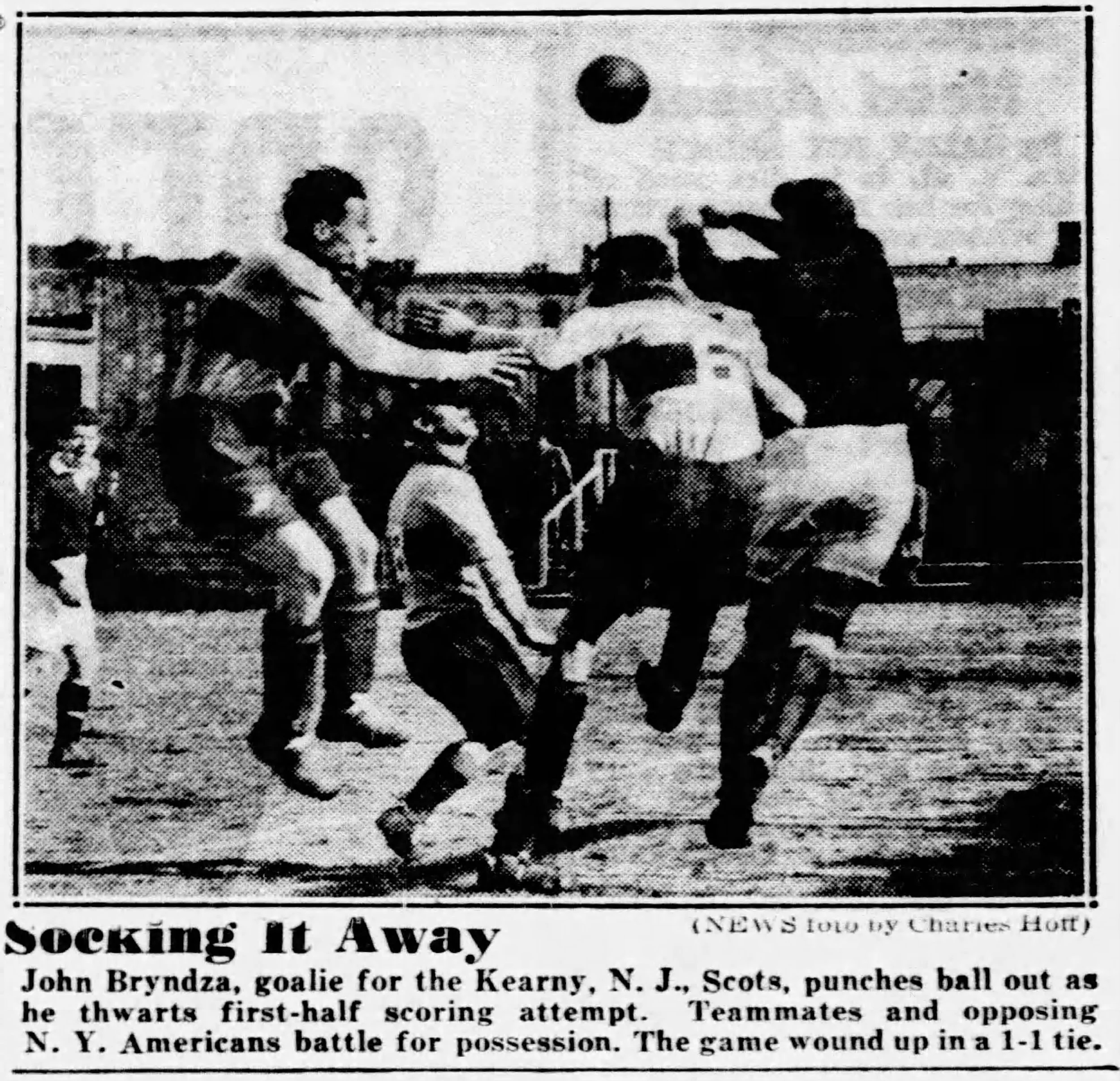
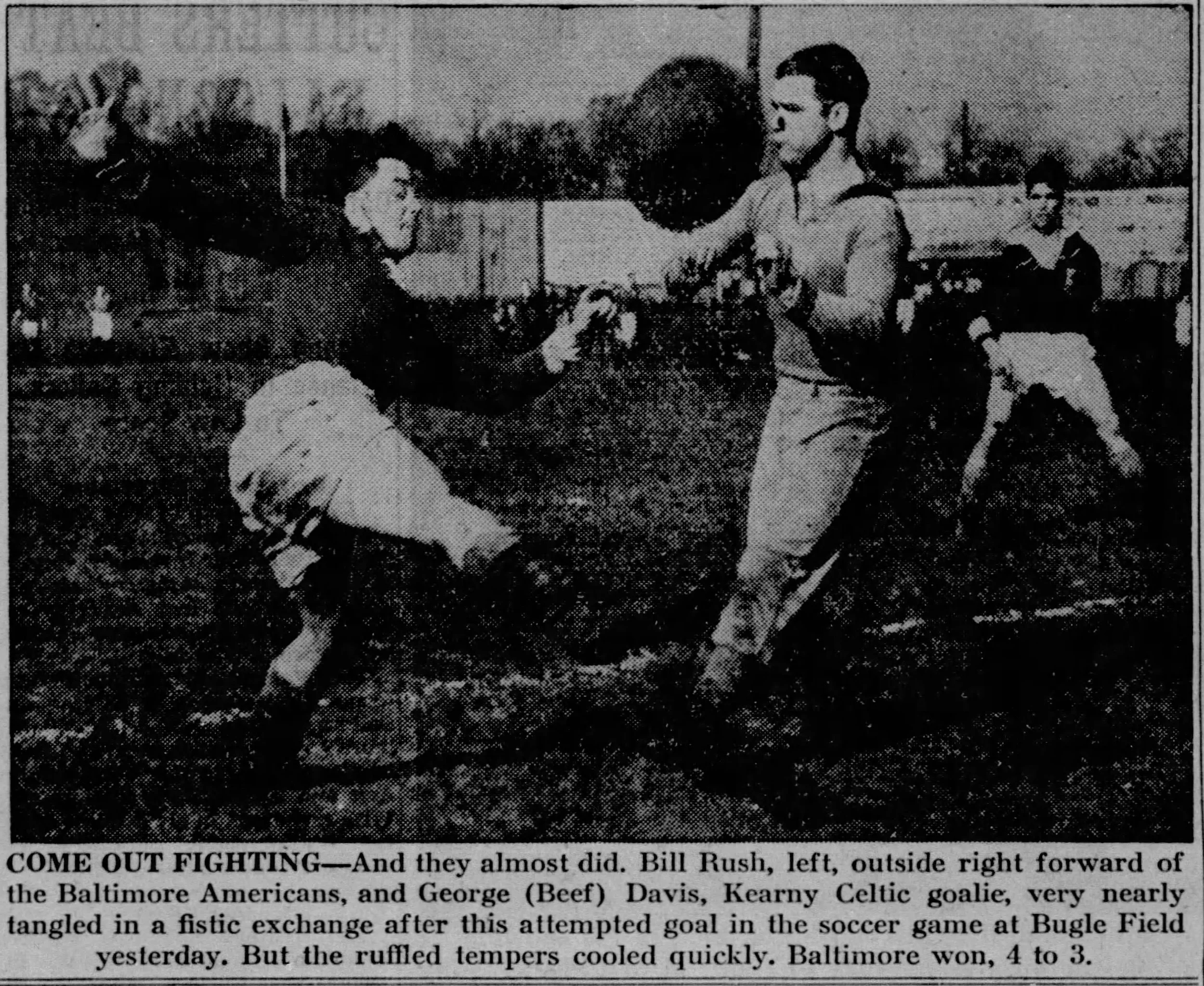
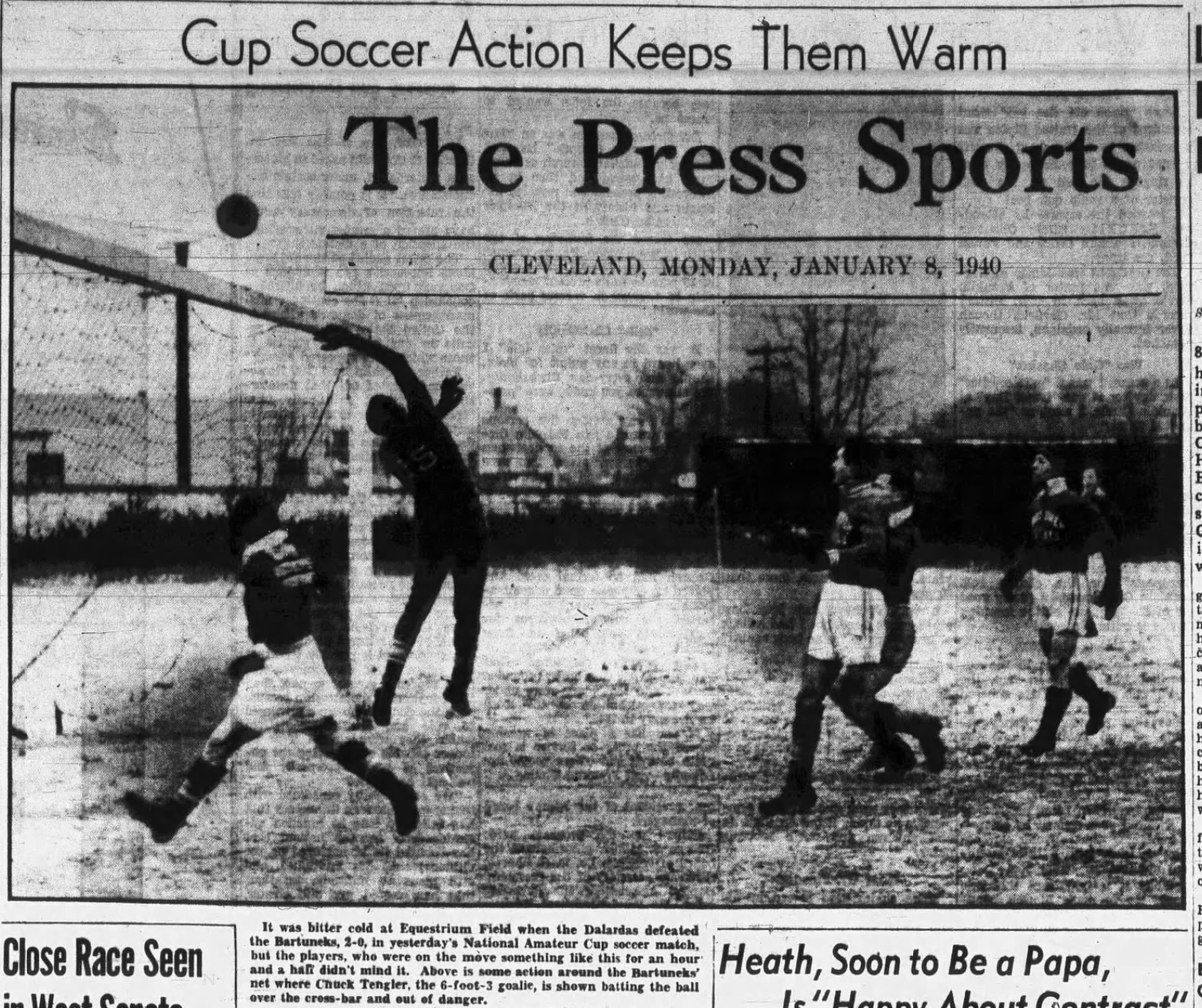
Although the 1920’s was a bright spot for American soccer, the second ASL that followed after the Great Depression is largely overlooked in favor of the NASL or MLS, despite the league producing standout goalkeeping with Johnny Hamm (3x National Challenge Cup finalist) and Steve Rozbora (1945 ASL MVP and triple crown winner). Digging deeper leads us to the likes of Chuck Tengler (Cleveland’s perennial goalkeeper throughout the 1940’s), John Bryndza, and George “Beef” Davis (contemporary ASL goalkeepers in the 1930’s and 40’s).
On the women’s side, early collegiate stars included Heather Taggart, Karen Richter, and Lori Kats (the first All-American goalkeeper in women’s soccer). And then looking outside the box a bit, American soccer history must recognize Karen Bardsley, who was born in the US but went on to be the number one goalkeeper for England’s national team. Inversely, the NASL’s Paul Hammond was born in England but naturalized, allowing him to play for Team America in 1983.

For overlooked stars on the men’s side at the same time, we have highly acclaimed goalkeepers Randy Phillips (3x All-American 1978-80), Jamie Swanner (1983 NCAA GOTY), and Victor Nogueira (2011 Indoor Soccer HOF inductee) paving the way for MLS stalwarts like Scott Garlick, Adin Brown, and Matt Jordan. And of course, rising stars like Angelina Anderson and Jordan Silkowitz follow in the footsteps of Bella Bixby and Melissa Moore as they continue to carve out a career for themselves. From Nogueira to Anderson, each goalkeeper battled year-to-year uncertainty when navigating the professional scene yet persevered in net, showcasing their talent for whichever team was lucky enough to have them.

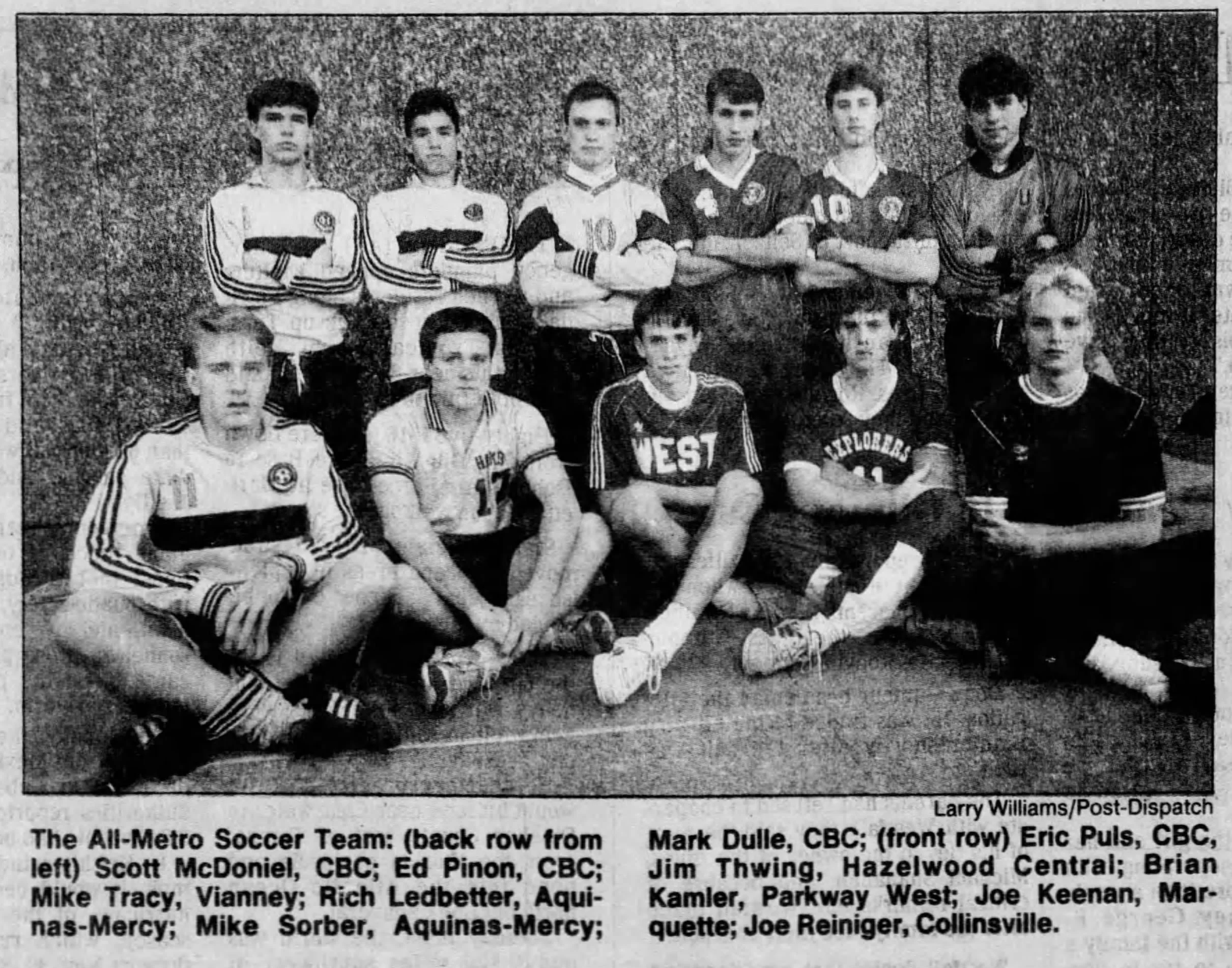
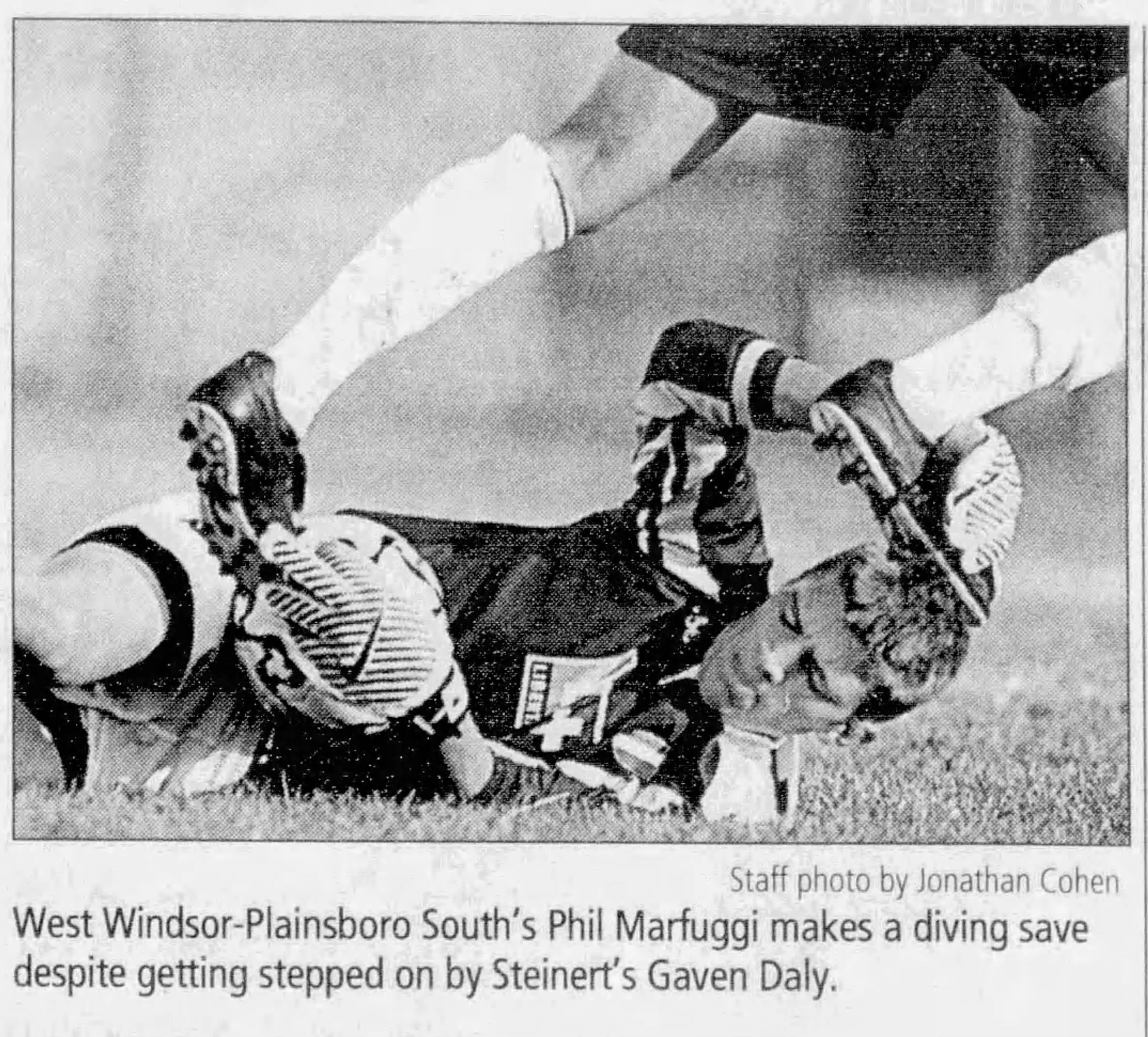
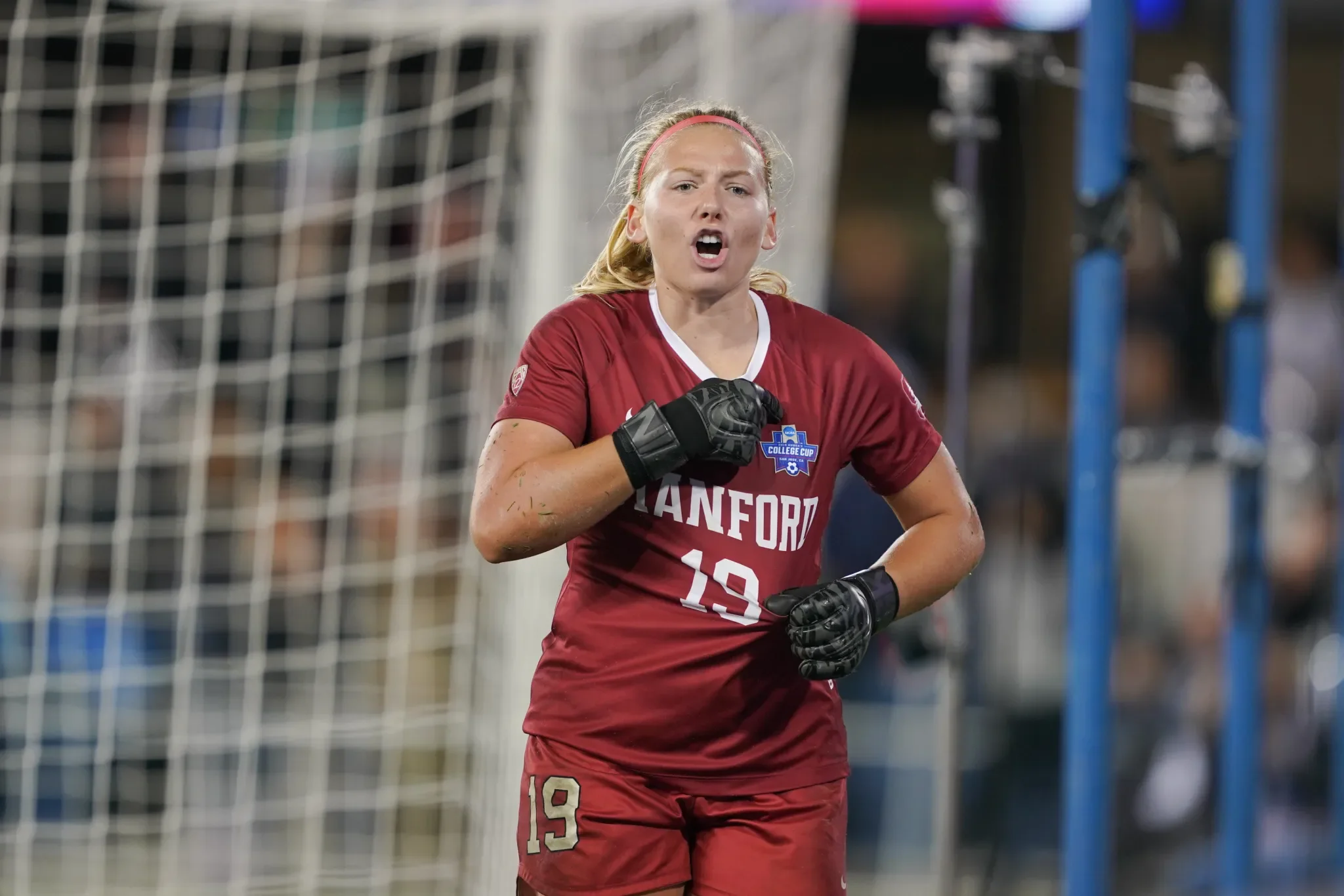
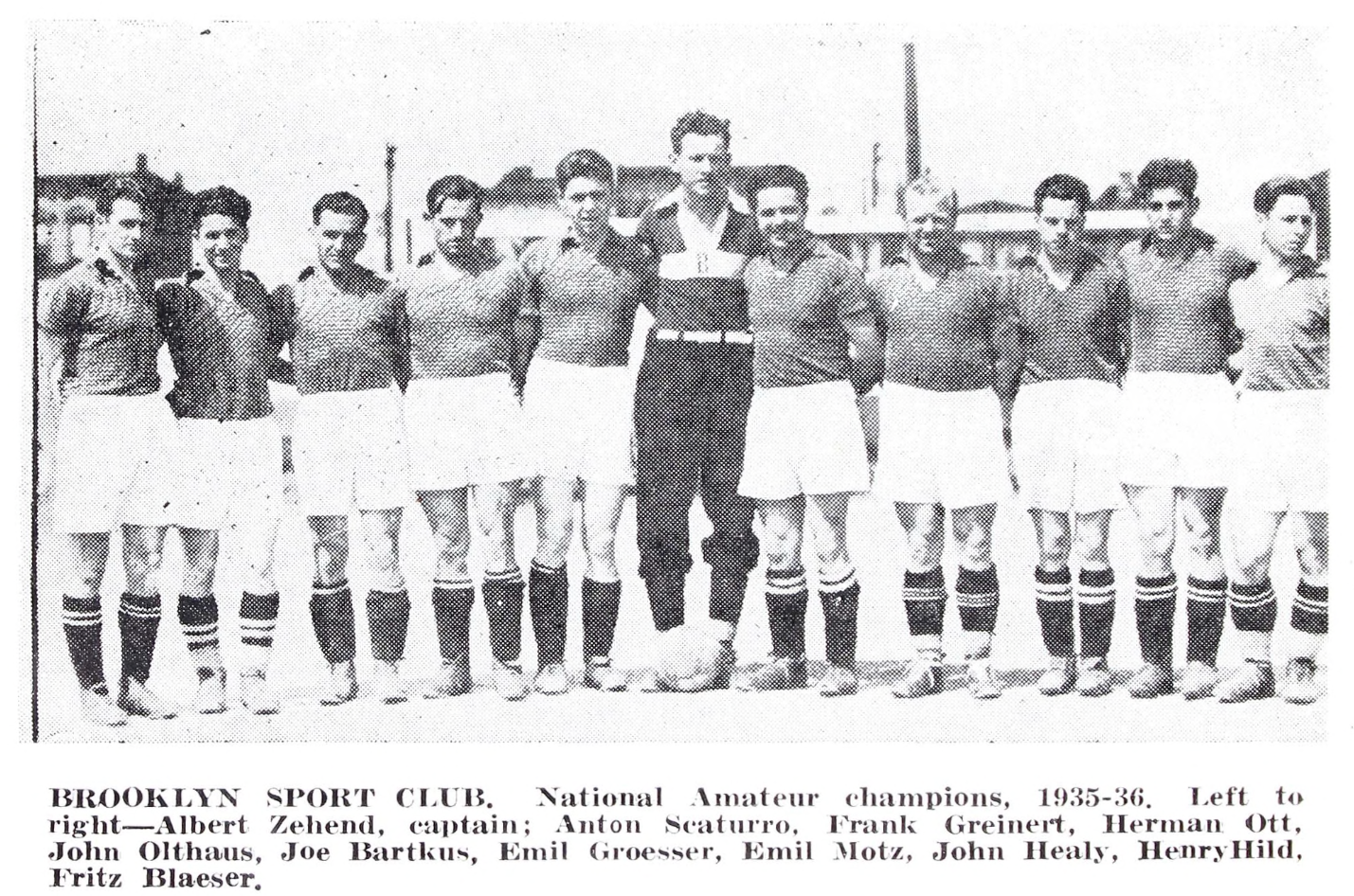
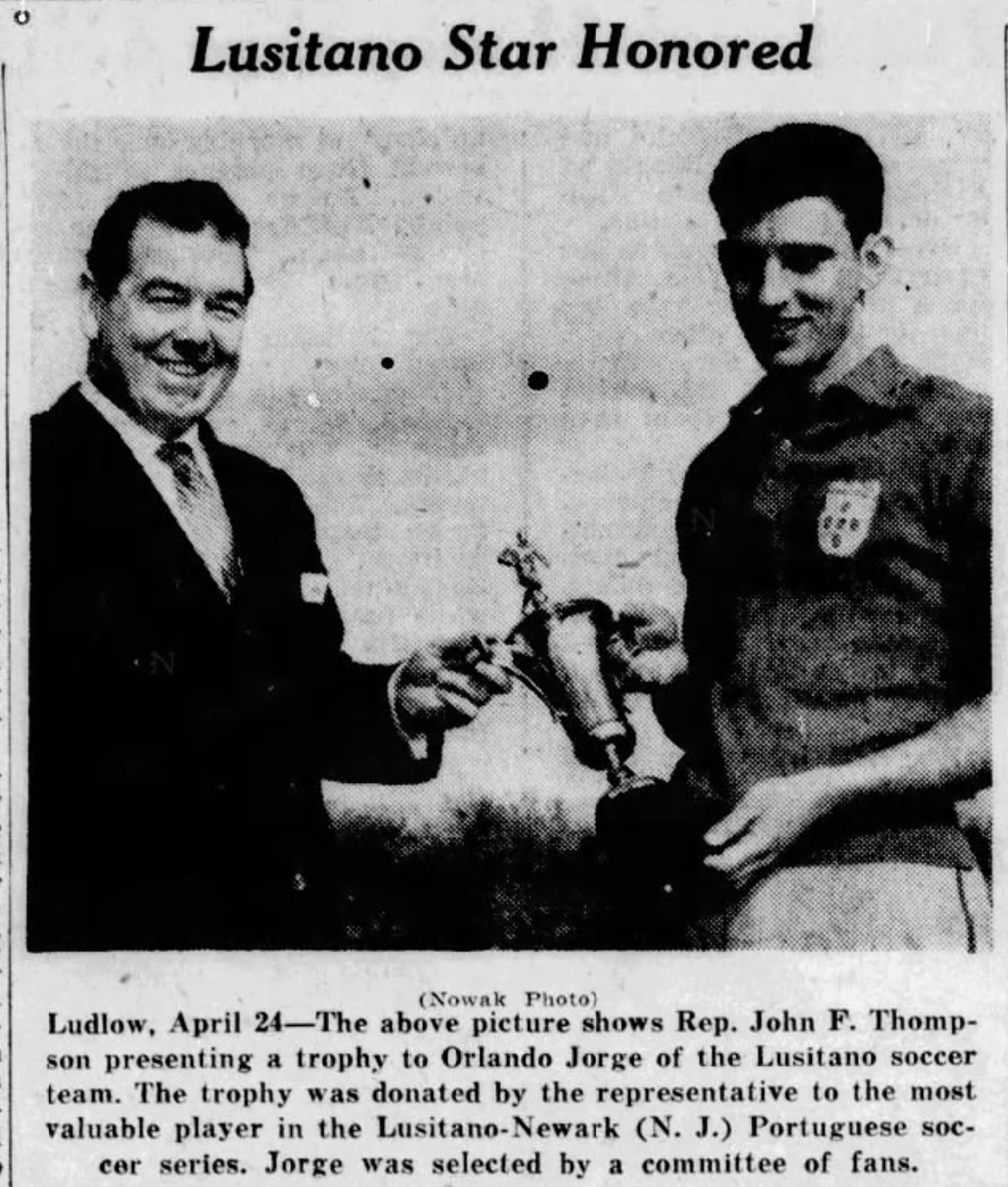
And lastly, some goalkeepers just didn’t get enough time for one reason or another, despite showcasing an immense level of skill. From Frank Bartkus (1936 Olympics) to Orlando Jorge (1950’s ASL standout) to Mark Dulle (1987 U16) to Phil Marfuggi (2003 U17) to Katie Meyer (2019 NCAA Champion), each goalkeeper - and several not named - is remembered fondly by those who were close to the individual, by teammates and family members alike.
The more you dig into the country’s history of goalkeeping, the more amazing stories and people you can find. A career in soccer has long been a difficult pathway for most of our country’s history. Whether it was the Soccer Wars in the 1920s, the dark times between stable professional leagues, or the early attempts at professional women’s soccer, goalkeepers continued their personal journey of stepping between the posts and playing the position most people avoid like the plague. This list of 100 goalkeepers and a handful of honorable mentions only scratches the surface of a deeper history that has always been the backbone of American soccer. Look at any accomplishment in American soccer and you’ll find great goalkeeping nearby.

Main Page
Goalkeepers 1-10
Goalkeepers 11-20
Goalkeepers 21-30
Goalkeepers 31-40
Goalkeepers 41-50
Goalkeepers 51-60
Goalkeepers 61-70
Goalkeepers 71-80
Goalkeepers 81-90
Goalkeeper 91-100
Honorable Mentions

America's 100 Greatest Goalkeepers (91-100)

These goalkeepers are part of a bigger project, which you can find here. Pictures of the goalkeepers were posted when available. Newspaper clippings’ date and newspaper are found in the file name. Click on the photo galleries to enlarge the picture to read more about the goalkeeper.

91. Ray Voltz

It’s not often a 20 year old goalkeeper suits up for the US, but Ray Voltz wasn’t your average goalkeeper. After being in the professional league for just a year, Voltz quickly established himself as one of the top goalkeepers not only in the American Soccer League, but the US as a whole. In 1937, the US called on 43 potential players to later trim down to a small squad for a three-game series against Mexico. Voltz was selected, being picked over other notable goalkeepers like Stanley Chesney and Frank Bartkus, but the trip ended up in disaster, with three blowout losses for the US as the Americans were clearly a level (or two) below the Mexican team at the time.

Unbeknownst to Voltz at the time, these would be the last matches for the US for ten years, not playing again until 1947. Despite the federation’s disappearance, Voltz returned to Philadelphia to keep playing with Philadelphia Passon, shining brightly before joining the Philadelphia German-Americans in 1939. Before stepping away at the age of just 26 years old to join the war, Voltz had racked up two Lewis Cups and an ASL championship, as well as deep National Challenge Cup runs in ‘42 and ‘43.

Although Voltz never got a chance to redeem his time with the national team and his club career was cut short due to the war, Voltz was a top goalkeeper in the country and a significant “what if” story for an emerging goalkeeper in the league.

93. Gino Gardassanich

Thinking of today’s youth goalkeepers’ pathway to reaching the USMNT, the discussion often does not include being born in Flume (a former independent state that is now a part of Croatia), saving people from the SS when Nazi Germany occupied their hometown, and playing for a decade before ever setting foot in the US. But Gino Gardassanich’s pathway was not like most others.

After playing several years across Europe, an eventual marriage led to his move across the Atlantic and, reportedly, earned his eligibility to play for the USMNT without Gardassanich even knowing he had obtained it. Gardassanich joined the Chicago Slovaks in 1949 and was promptly named to the 1950 World Cup roster as a replacement when fellow Chicago goalkeeper Joe Silovsky stepped down. Although Gardassanich never played for the USMNT, he was one of the very few Americans who witnessed first hand the men’s national team’s great win in program history.

Gardassanich would go on to have a successful ten-year run with the Slovaks in the hotbed of Chicago, winning the National Soccer League’s top goalkeeper award in 1950, three league titles (1951, 52, and 54), the 1951 Peel Cup, and was a finalist in the 1953 National Amateur Cup. Gardassanich’s time with the national team was brief, but his winding road is a testament to the goalkeeper’s great composure and positioning, not letting his hardships prevent him from being at the right place at the right time.

93. Victor Gerley

Hartford Courant (1965 07 25)

In 2015, I interviewed Gerley when I realized there was nearly zero information on the goalkeeper available online. The interview was originally published on Soccer Over There (RIP) but like most things in American soccer, it too has gone the way of the dodo. But Gerley embodies a lot about the time he grew up. Gerley played on local semi-professional clubs but never got a shot in the NASL, all the while the federation was largely spinning its wheels in mud. Despite the lack of professional opportunities or decent backing from the federation, Gerley and the US almost slipped past Mexico in the 1966 World Cup qualifying but a controversial penalty was called in the US’s home game against the heated rival, leading to a tie and still being a thorn in Gerley’s side later in life. “So I just brushed him, barely touched him. And he fell to the ground, faking it. Faking it! And the referee gave a penalty kick, which I didn’t save. I should have saved but I didn’t. It would have been wonderful to make it to England.”

Like most goalkeepers in the era, Gerley wouldn’t get another shot at playing in such a high-profile game for the USMNT, despite continuing to play for many years after. Unsurprisingly, Gerley was a talented multi-sport athlete as his skillset translated well to handball, leading him to represent the US one more time, in the 1970 World Championship in France. Although Gerley’s career is filled with “what ifs,” Gerley shone bright in the limited opportunities the late 60’s and early 70’s.

94. William Yarbrough

The pathway to the national team has never been a straight shot. For some, they attend a prestigious university or a heralded European club overseas, while Yarbrough is one of the few American goalkeepers to first find success in Mexico, before playing professionally in the US. Yarbrough played almost a decade for Leon, capturing several titles from 2011-2014 for the club, earning the nickname “White Puma”, as well as a call-up by Jurgen Klinsmann in 2015. Yarbrough’s swapping from Mexico, where he played with their youth national teams, marked the start of a bigger wave of Mexican-Americans who would be highly sought after by both nations. Yarbrough earned three caps with the national team and eventually joined the Colorado Rapids for a four-year stint, with the high point being runner-up in the league table in 2021. Looking back to goalkeepers from a hundred years ago, when the sport was still in its infancy in the US, Yarbrough’s career is a strong reminder that American goalkeeping can include those who weren’t born in the US but were still willing to dive into the fray for their team and country.


95. Jack “Chick” Albion

Like most top goalkeepers in the early 20th century, Albion’s fame was heavily tied to his performances in the National Challenge Cup. A three-time finalist (1916-1918), Albion won the cup twice with Fall River Rovers (1917, 1918). After winning his first final in 1917, The Evening Herald praised Albion’s performance after playing “a wonderful game and three of his six stops were spectacular and seemingly beyond the realm of possibility”. Although Albion reached the American Cup semifinals twice (1916, 1921) and showed well in his lone season with Morse Dry Dock, notching another semifinal appearance in the National Challenge Cup (1919), his “sensational goaltending” (The Standard Times, July 22, 1921) against the talented Scottish side, Third Lanarks, earned him the right to being a part of “the best team in the States today”. Albion’s ability to hold the Third Lanarks to a 2-2 tie broke a 24-game win streak during their summer tour.

In the spring of 1922, Albion became severely ill with stomach trouble. A match was organized by Albion’s former teammates, raising $425 ($8168 in 2025) for Albion. The star goalkeeper had his gratitude published in the Evening Herald. Albion wrote, “I want especially to thank my former teammates, Connie Lynch and Martin Riley, who worked so diligently to put this benefit across. Both of these men have won my lifelong admiration and have certainly given me the greatest of aid through their kindness and sympathy for me in my trouble… Thanking everybody again for their brilliant testimonial. I remain yours in sport, ‘Chick’ Albion”.

Although Albion would not suit back up to play in goal, except for the occasional Old Timers game, Albion’s strong connection with his teammates resonates with every goalkeeper who has had a defender clear a shot off the line, make a perfectly timed tackle, or help them get out of the mud after an opposing shot found the back of the net.

96. Marianne Johnson

Although Title IX was signed into effect in 1972, it would be almost a decade before NCAA women’s soccer would see a fraction of today’s level of investment. Marianne Johnson would join goalkeepers such as Lori Kats, Karen Richter, and Joan Schockow as early pioneers to navigating the position without any blueprint to look to. No YouTube, female goalkeeper coaches, or former goalkeeping teammates could really help goalkeepers like Marianne Johnson, because they hadn’t existed yet. Johnson’s reign at UNC was short, playing only two years before graduating, but impactful.

While UNC goalkeepers would later split time or get overlooked when it came to postseason accolades, Johnson really shined for the Tar Heels, winning second-team All-American honors in back-to-back years and established herself as the starting goalkeeper as a first year, earning praise from Dorrance himself saying that “She’s awesome” and “I venture to say she’s the best goalkeeper in America.”

Although there was no professional scene, nor a national team around in 1983, Johnson’s final year with UNC, Johnson stood tall despite having nearly zero hints as to how to play the position and truly embraced the DIY aspects of goalkeeping to its fullest.

97. Johnny Reder

Reder (right) with Boston Red Sox teamtes Earl Webb (left) and Marty McManus (central).

As the debate on specialization vs. multi-sport rages on in 2026, it’s nothing new, as Johnny Reder faced this problem 100 years ago. Like many American goalkeepers, Reder was praised in a losing effort during the 1929 National Challenge Cup before joining Fall River FC later in the year, starting a three-year stretch where the defensive standout won six trophies. With no goalkeeper coming near his exploits at the time, Reder put his boots in the backseat at just 23 years old, favoring his glove and bat.

Reder joined the Boston Red Sox in 1932 as the American Soccer League started waning in money and investment. Reder’s abilities carried over well and helped him become a defensive standout, although his offensive contributions at the plate limited his ability to find success at the top level. Still, the multi-sport standout continued earning praise for his work with his new leather glove. Although many can weigh in on the debate for specialization, Reder is a good reminder that everyone’s pathway is a little different, and that ultimately only the individual can make the hard decisions of where and when they should dive into the dirt.

98. Mark Dougherty

For a generation that grew up on the glitz and glamor of the NASL, it seems criminal that those players had to navigate an era without a fully professional league to aspire to, not to mention their alma mater shutting down their soccer team not long after their college graduation. Mark Dougherty was a standout player at Fresno State (a top four school from 1986-1987) and successfully navigated the wild wild west of post-NASL but pre-MLS years. After appearing in the WSL/APSL final three years in a row with the San Francisco Bay Blackhawks (1989-1991), Dougherty was rewarded as a first-round pick in the 1996 MLS inaugural draft. (The second goalkeeper selected in the draft? Fellow Fresno State alum, David Kramer.) The Mutiny were rewarded with Dougherty’s addition as he would be named to the first MLS all-star team in 1996.

In spite of Dougherty’s first MLS team eventually closing its doors, Dougherty’s pathway is a great testament to individual determination and a reminder that just because a team doesn’t suit up anymore, it doesn’t mean their players weren’t willing to test their mettle as far as it could go.

99. Bob Yingling

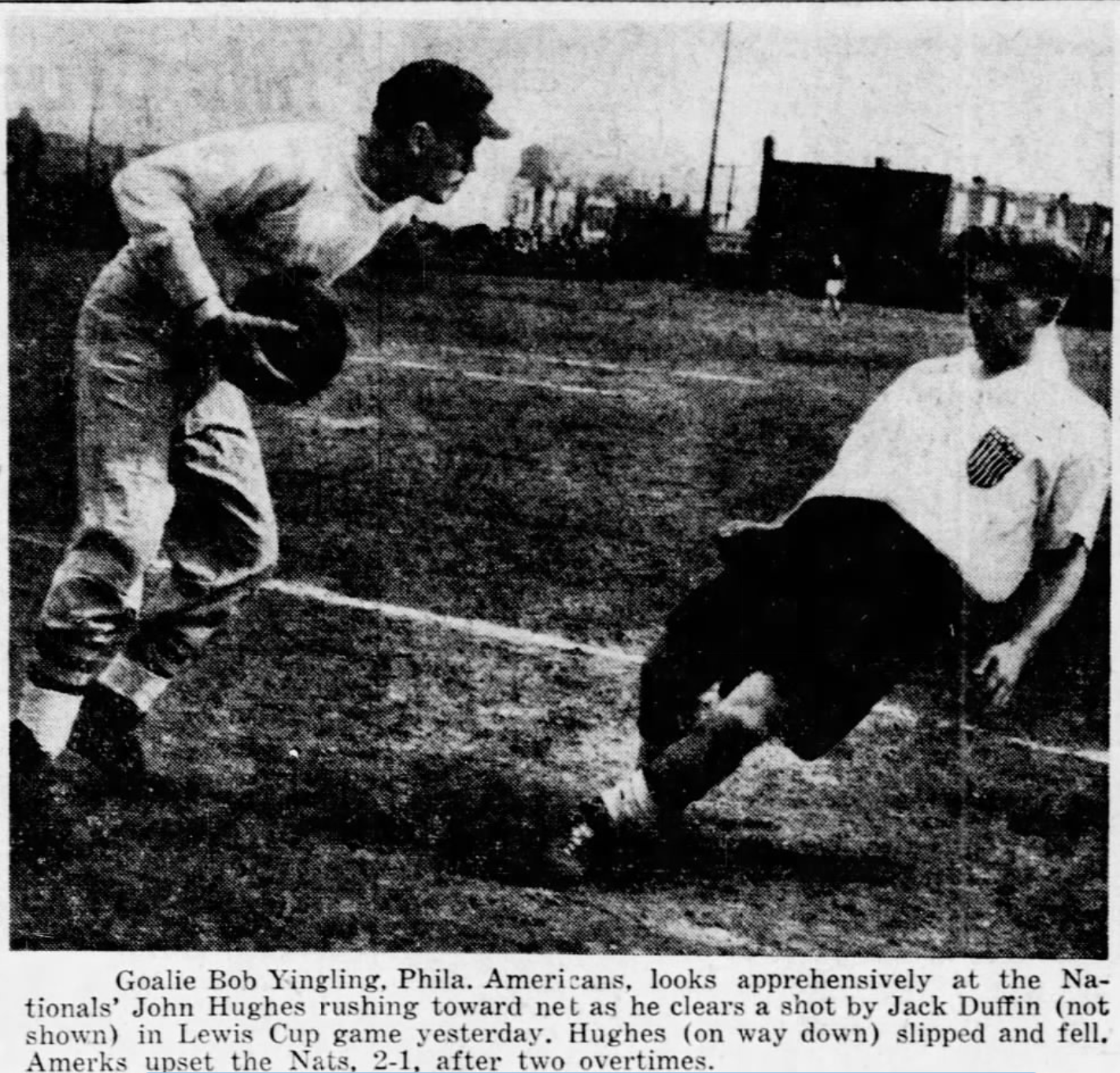
Yingling was an accomplished multi-sport athlete at Memorial High School, playing soccer, baseball, and football, but his kicking prowess was of note throughout his long career. Known for his incredibly long punts, Yingling enjoyed an illustrious 18-year career in the American Soccer League, playing for clubs like Kearny Scots (‘41 ASL Champions), Brookhattan (‘43 ASL runner-up), New York Americans (‘47 USOC quarterfinalist), Philadelphia Americans (‘52 ASL Champions), and Uhrik Truckers (‘55 ASL and Lewis Cup champions). The extended tenure for the goalkeeping mercenary culminated in a near triple crown with the Truckers, losing in the semifinal of the National Challenge Cup to the eventual winners, SC Eintracht.

The truest and best definition of a professional journeyman, Yingling credited an early supporter for a significant impact on his career, “Ed [Carroll] was athletic director at Memorial [High School] when I played football there. It was during the depression and it was difficult getting sports equipment but Ed always made certain his athletes had enough to keep going. Only for that I probably never would have developed as much as I did.”

100. Johnny Hamm

If there’s one attribute that has been consistent in American goalkeeping, it’s being a notable shot-stopper, and Johnny Hamm was no exception. The St. Louisan spent time with Ben Millers, reaching the National Challenge Cup semifinal in 1931, and established himself as a strong point in the team. Throughout his career, Hamm was frequently cited as being a part of “an airtight defense” (St. Louis Globe-Democrat, March 8, 1931) and being the team’s “brilliant goaltender” (St. Louis Globe-Democrat, March 26, 1928). Multiple times, Hamm and his team would be subject to a pummeling, but writers would defend his play as a reason why the scoreline wasn’t worse, crediting his outstanding play.

From 1932 to 1937, St. Louis established itself as a top soccer city in the nation as one of its clubs were featured in the final of the National Challenge Cup each year, with Hamm reaching the final three years straight (1935-37). Hamm would later be enshrined in the St. Louis Soccer Hall of Fame in 1973 as one of the first goalkeepers inducted, two years before Frank Borghi’s induction, establishing Hamm’s early important on the St. Louis scene. Hamm is remembered for his strong defensive play in goal, being the “best-looking man on the team”, and an early pioneer in a long line of strong goalkeepers coming out of St. Louis.


Main Page
Goalkeepers 1-10
Goalkeepers 11-20
Goalkeepers 21-30
Goalkeepers 31-40
Goalkeepers 41-50
Goalkeepers 51-60
Goalkeepers 61-70
Goalkeepers 71-80
Goalkeepers 81-90
Goalkeeper 91-100
Honorable Mentions