Top 100 American Goalkeepers (USMNT Depth Chart)

Cover photo Maor Alexelsi.

After over a decade of updates, the top 100 returns once again with this spring’s lineup. Each goalkeeper is ranked by a number of factors: historical individual results, current individual level of play, and projected on-field performance. The Everybody Soccer top 100 removes exterior noise from various media outlets, past accolades, and team statistics to isolate the goalkeeper’s current level of play in ranking the goalkeepers in order of who would give the US the best chance to win a hypothetical knockout game tomorrow. To see how the top 100 rankings have evolved since July 2013, click here.

1. Chris Brady
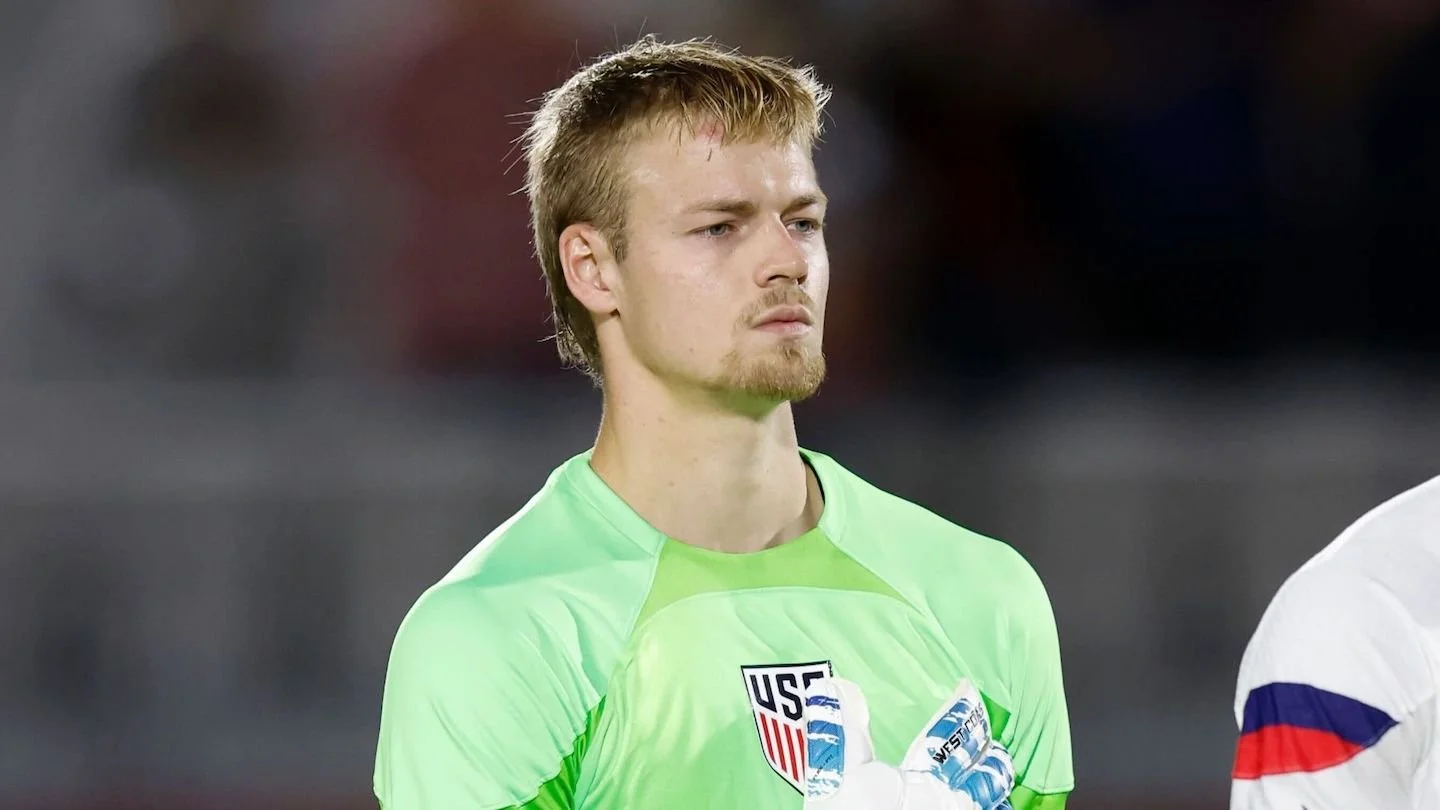
Admittedly, it’s hard to put any goalkeeper at the number one slot for the US at the moment as the goalkeeping department has dipped to its lowest point since the 1980’s. Brady is awarded top billing largely for a combination of his big-time save ability and, unfortunately, every other goalkeeper continuing to have nervy moments or struggle to simply keep the ball out of the net. Considering that the US will be the underdog to any top soccer nation, they need a reliable goalkeeper to limit mistakes while making the big-time save in the knockout rounds that past American goalkeepers are known for. Simply having a goalkeeper that’s good in possession won’t be enough to beat the Belgians of the world (see 2014).

Long after being in Slonina’s shadow, Brady’s decision to carve his pathway in MLS is paying off as 2025 saw Brady surpass Slonina in career shutouts and games played. Chicago Fire’s goalkeeper coach, Zach Thornton, seemingly has given Brady a massive green light to play how he wants, not instilling hard guidelines on how he has to play every situation. The upside allows Brady to lean on his intuition and showcase his ability to make saves that few Americans can pull off. The downside is that some odd approaches can arise in Brady’s game, as shown in the 2026 opener for the Fire with an odd rebound and awkward attempt on the second save.

Understandably Brady’s window to prove himself as the number one will likely be after this World Cup, leaving fans to likely grind their teeth and tense their shoulders through the summer tournament, hoping whoever the number one for the USMNT can simply limit mistakes and not cost the team the game.

2. Ethan Horvath
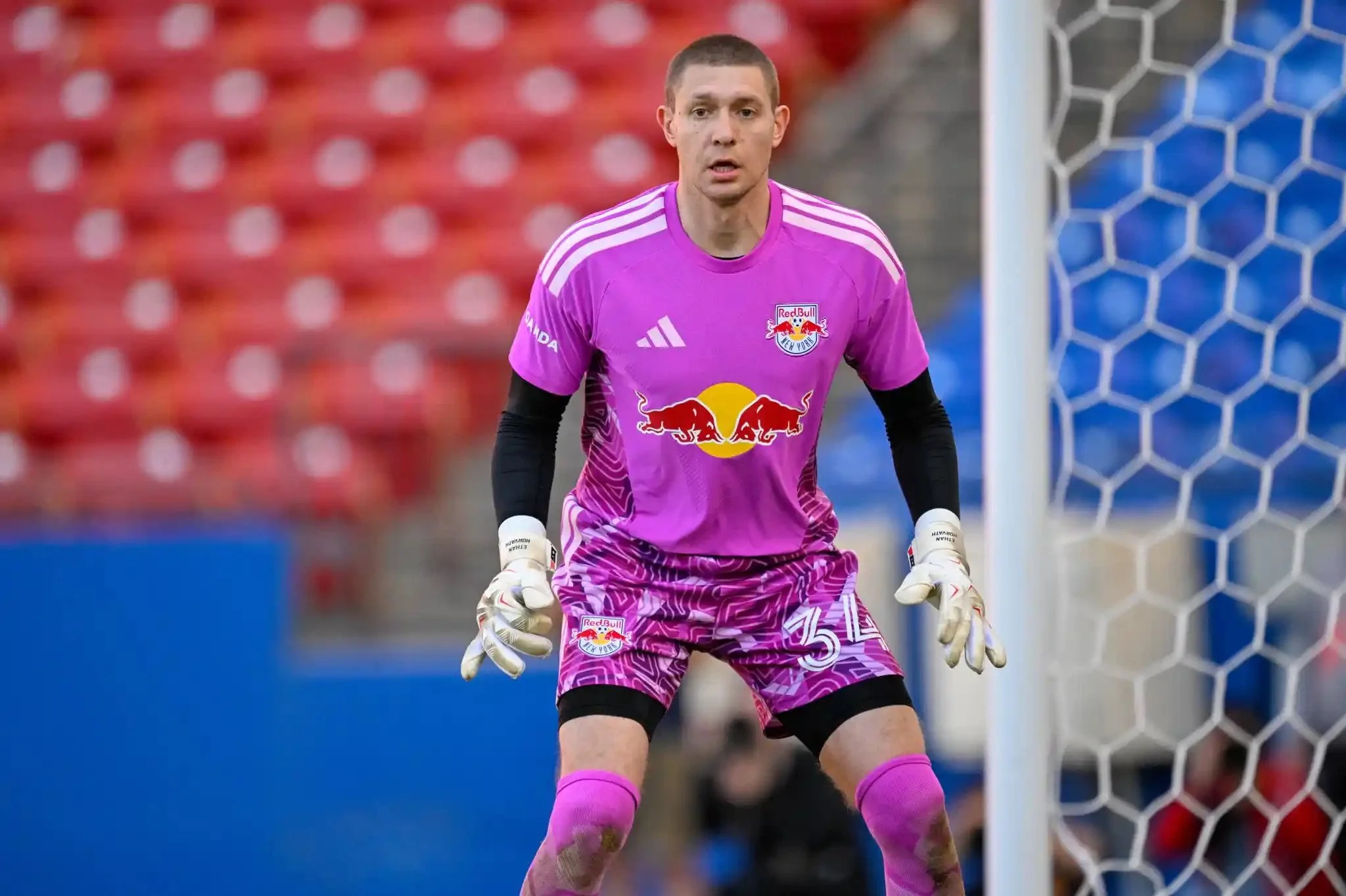
Prior to joining the Red Bulls, minutes have been hard to come by for Horvath as English clubs’ hyper-competitive environment makes every goalkeeper earn their spot week-in, week-out. However, Horvath has proven himself to be a fair replica of 90’s goaltenders: good shot stoppers who can control the 18. Although he isn’t the goalkeeper to ping around 40 passes on a dime, his ability to cover the box and goal frame is hard to come by, especially in the USMNT goalkeeping pool.

After ten caps already under his belt, it’s not unheard of to see Horvath back in net for the USMNT and his strong start to the MLS season gives weight behind his name. However, Horvath isn’t known for flawless play himself, as the inconsistent minutes led to inconsistent play overseas over the past couple years. If he can keep the Red Bulls atop the standings and they can keep their starting goalkeeper confident, look to see Horvath make a strong run at the number one position for the US.

3. Gabriel Slonina
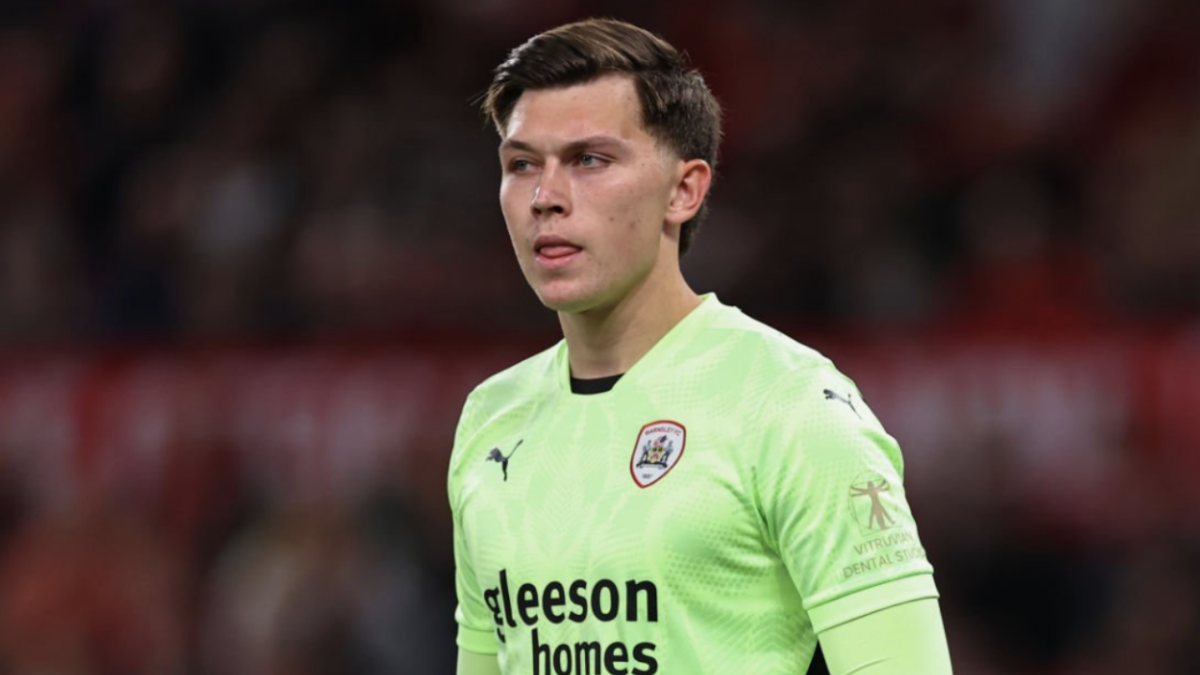
Following on the heels of Steffen’s move to Manchester City and Turner’s move to Arsenal, Slonina transferred to Chelsea in 2022. Fast forward almost four years and Slonina is averaging about one match per month since penning the transfer. Slonina was once expected to be the can’t miss prospect but similar to Steffen and Turner, he’s found himself in Premier League purgatory and the expectations to become the Blues’ future starter have hit an all-time low. A move back to MLS would be a disappointing backward step for the young goalkeeper, still just 21 years old, but his move forward seems difficult to chart out. He played good, but not great, on his loan to Eupen for the 2023-24 season, the former Belgian Premier League team that Slonina was present for in the failed relegation battle.

Prestige aside, if Slonina can finally gain some traction overseas, whether it be in Italy or France or Belgium, he could make a run at the national team. The window to start at the 2026 World Cup seemingly has closed for the former Chicago Fire product but that’s not to say his future with the national team is closed as well. The eventual move out of Chelsea can bring good fortune to Slonina, as long as he’s not kicked around to another English club whose efforts will amount to just a random EPL2 game here and there.

4. Roman Celentano
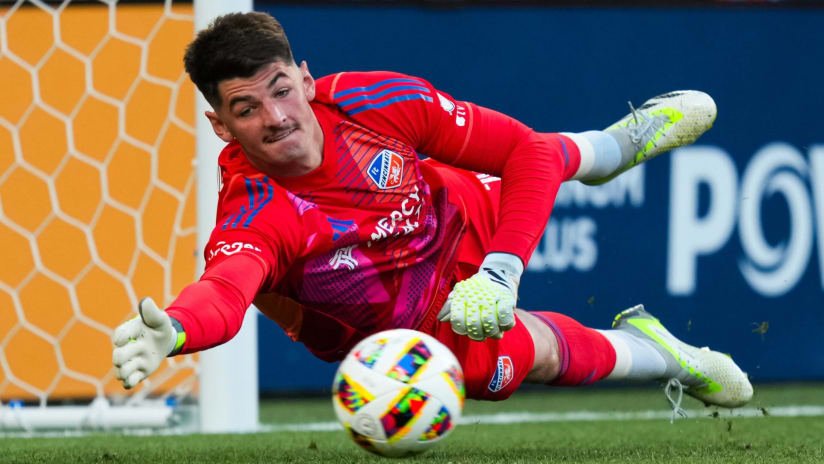
With Brady’s free-flowing approach to goalkeeping, Celentano’s meticulous approach is the complete opposite side of the coin. The midwesterner approaches goalkeeping with a clear black-and-white, right-and-wrong mindset for what works inside his game. There are very few moments we see Celentano look out of sorts, although his ultra-passive mindset helps sort out most of his decision-making.

Despite an impressive career 1.82 PPG in MLS league play, Celentano and Cincinnati have struggled to connect the pieces in the playoffs, compiling a meager 7-6 record in postseason play. Although it’d be nice to see Celentano stick around until Cincinnati can finally lift the Cup, there are several cases of young goalkeepers who stayed in MLS too long and the efforts to push the boulder up the hill only amounted to it rolling down the side. If Celentano wants to continue his upward trajectory, leaving MLS needs to happen sooner than later and challenge himself in a league where he must take more responsibility on the field, lest he become one of the many goalkeepers who stayed comfortable in MLS as a 10 year starter and plateaued in their mid 20’s

5. Zack Steffen
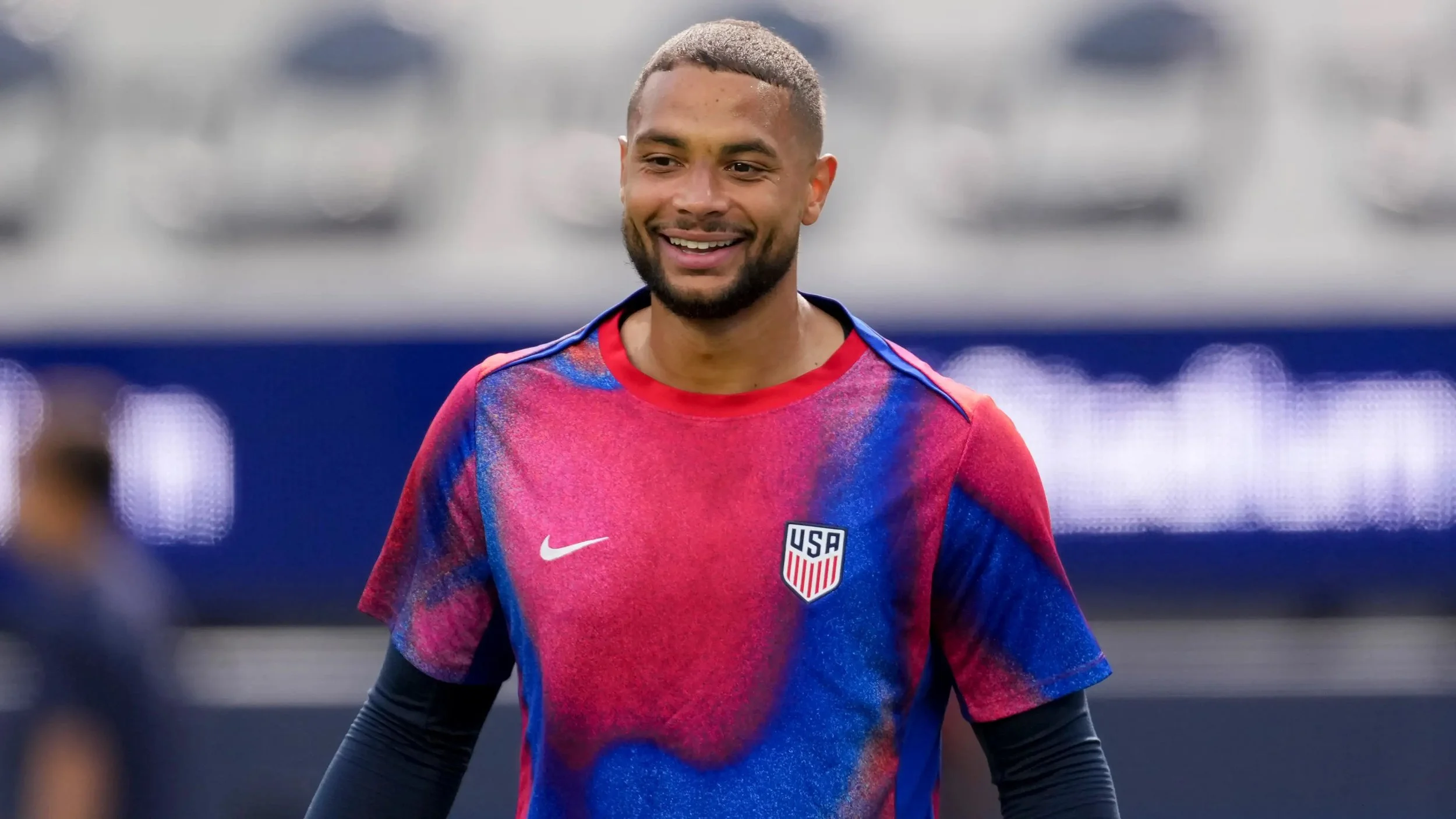
There aren’t many goalkeepers whose career has been more of a rollercoaster ride than Zack Steffen’s. Steffen’s journey to Manchester City back in 2019 seemed like a resurgence of the olden days for American goalkeeping, one that couldn’t possibly go wrong. However, the back 20’s prove to be a crucial time to maintain momentum for aspiring goalkeepers and Steffen is a great example of how a clear number one for the national team - one who’s amassed 30 caps - can easily tumble down the pecking order, only receiving one game with the USMNT since the spring of 2022.

Steffen’s game can best be summed up as erratic. One moment, he’s making the big-time save we all grew to expect, while the next moment, a bad rebound makes Steffen look like a goalkeeper playing above his level. xG proponents will point to Steffen’s low numbers but in spite of xG being far from a repeatable stat, there’s a reason why Tim Howard and Landon Donovan touted the journeyman. If Steffen can limit the bad goals and return to form, the goalkeeper with the seventh most wins of all-time for the USMNT can finally start a World Cup match.

6. Matt Turner
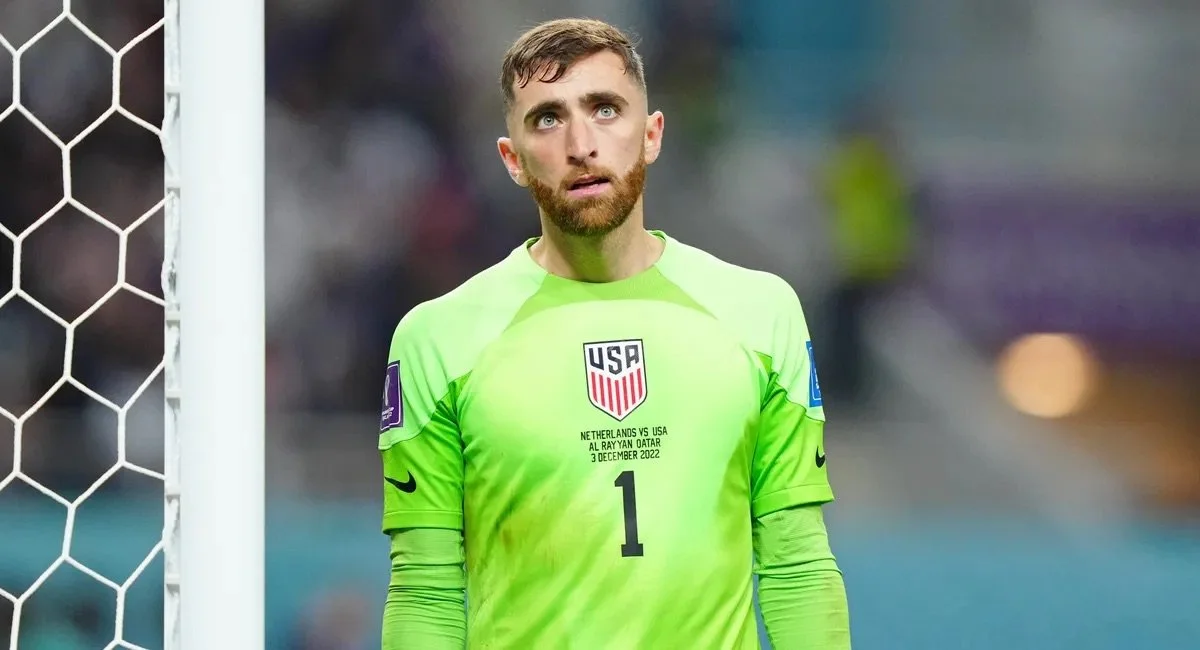
Advanced stat darling Matt Turner bounced out of MLS in 2022 to the English Premier League after the once undrafted goalkeeper produced a +.38 prevented goals per 96 minutes from 2019-2021, a stat that was twice that of second place Steve Clark and essentially lapped every other starter in the league. Unfortunately, Turner finding the cheat code that an ultimate line sitter in MLS can do well in the xG column didn’t translate overseas and the tumultuous time bouncing around Europe - including a situation that saw Nottingham Forrest and Lyon fight to not have him on their roster - seems to have taken a hit to Turner’s confidence and run of form. Opening weekend back with the Revs saw a 4-1 loss for Turner, clearly trying to regain the 2021 form he had before leaving for Arsenal. Turner isn’t terribly off the mark but still not looking like the goalkeeper with 50+ caps to his name. At 31, it’d be a shame to see Turner start declining so early but Turner’s supporters don’t have many successes to point to in warrant a return to the USMNT starting spot. If Turner can turn around the Revs winless season, he might be able to make a case for a spot on the 2026 roster.

7. Matt Freese
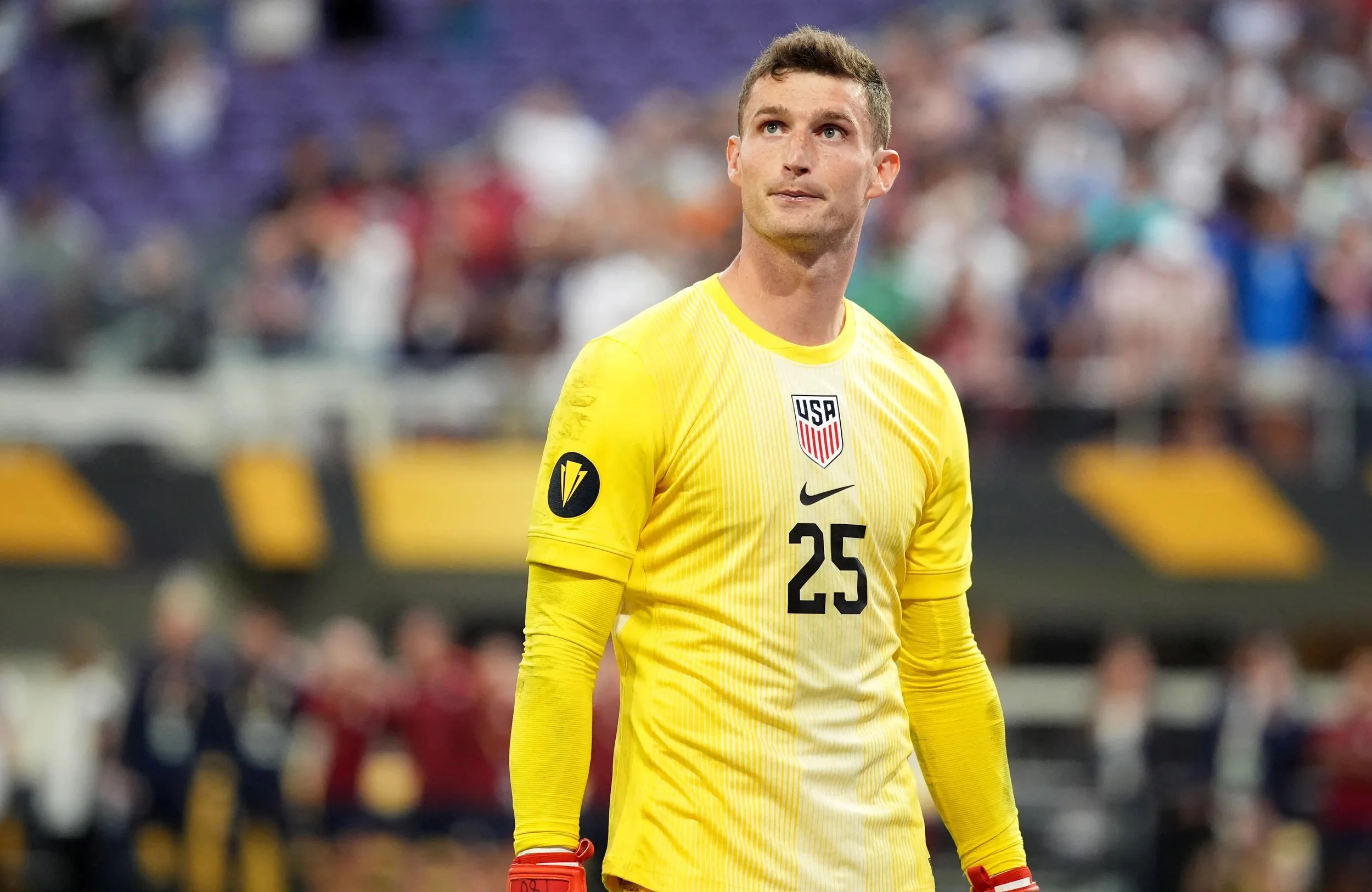
After turning down Manchester United to start his degree at Harvard University, Freese eventually made a name for himself as a “steady Eddy” type of goalkeeper. Freese would rarely concede poor goals in MLS play and always gave his team, New York City, a chance to stay in the match. Freese did this so well that when Matt Turner’s form plummeted while navigating England’s lower divisions, Freese was given a chance last summer as the number one for the US. Since June of 2025, Freese amassed 13 caps but it’s a different beast at the international level. Shortcomings like misplaying a through ball, retreating to his line on a collectable slotted ball, sitting too deep on his line, struggling to handle a backpass on his weak foot, spilling rebounds in front of goal, and simply not diving on shots - ones you’d see the likes of Tim Howard or Kasey Keller sprawl out for with every inch of their body - have led to Freese struggling to maintain shutouts when his prodecessors did.

Although there have been positives in Freese’s past twelve months, most recently his performance against his former MLS team, USMNT fans expect to see game-saving saves from the starter, not just reliable play in covering the middle third shots on the goal. If the former Crimson goalkeeper can continue to play at his peak, expect him to maintain the number one jersey through the summer. Otherwise, look for the USMNT number one to continually get passed around.

8. Jonathan Klinsmann
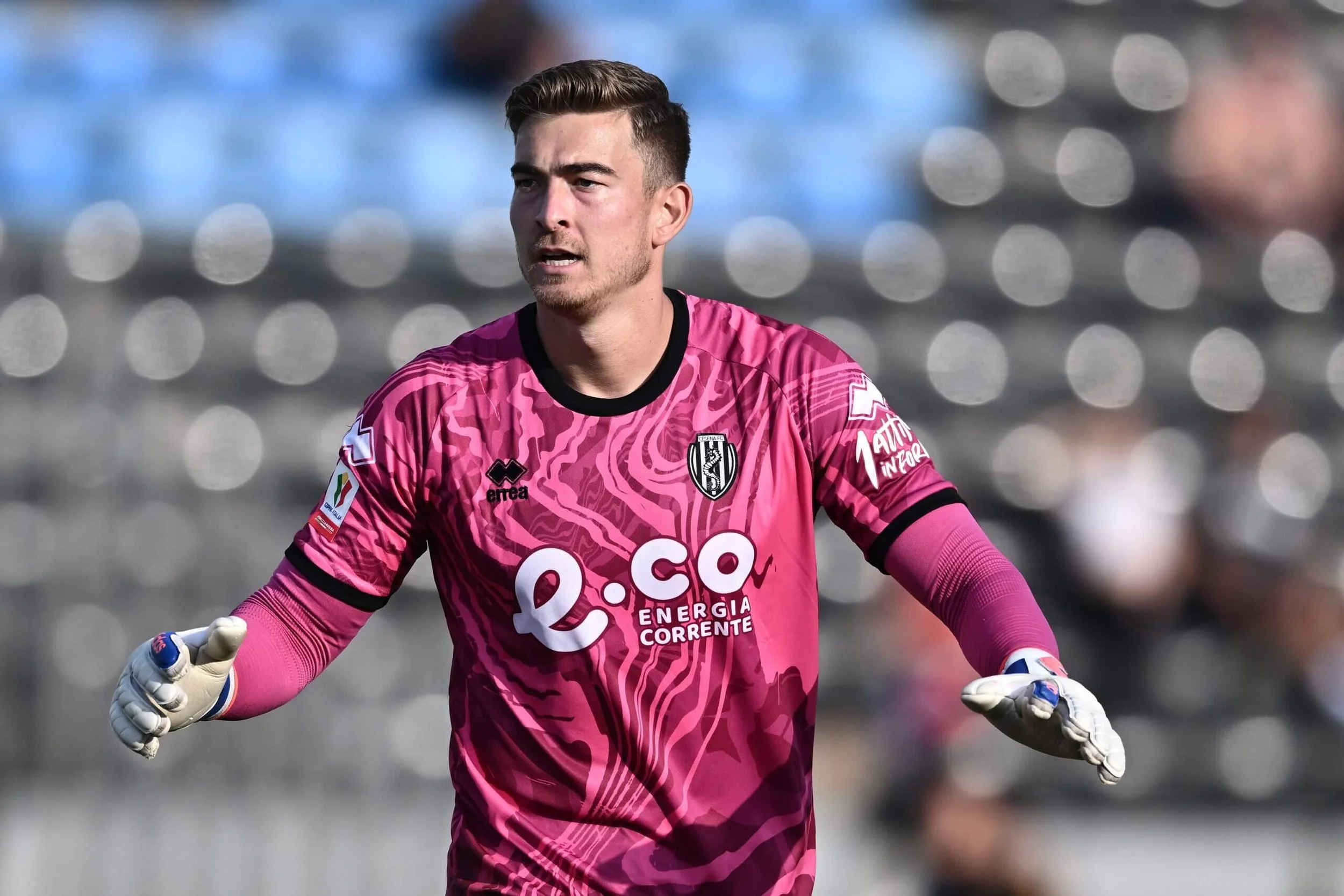
If you haven’t tracked Klinsmann’s career over the past few years, well no one can blame you for not following his move to Serie C with enthusiasm. After a completely unremarkable 2023 season with the Galaxy, Klinsmann wisely opted for Italy instead of spinning his wheels in mud in England. Klinsmann watched Cesena promote to Serie B from the bench and then, seemingly out of nowhere, Klinsmann found a form we’d never seen from Berkley Bear. In the fall of 2024, Klinsmann took over the starting spot and conceded just 30 goals in 27 matches, narrowly missing out on back-to-back promotions. This season Klinsmann and Cesena once again sit in the promotion playoffs and eye a jump to Serie A.

Klinsmann’s game has cleaned up mightily since starting for the U20s. He’s more mobile, which allows him to tap into his power more easily, and his game sense has skyrocketed. The awkward plays that break down in front of net no longer leave him looking unsure. That’s not to say he’s unbeatable, but we’re seeing fewer moments where he’s struggling to find solutions to implement. In true American fashion, he is simply “betting on himself” and playing without hesitation, which is wonderful to see. Jumping to Serie A would certainly get Klinsmann back on people’s radars and raise the question of what his ceiling actually is.

9. CJ dos Santos
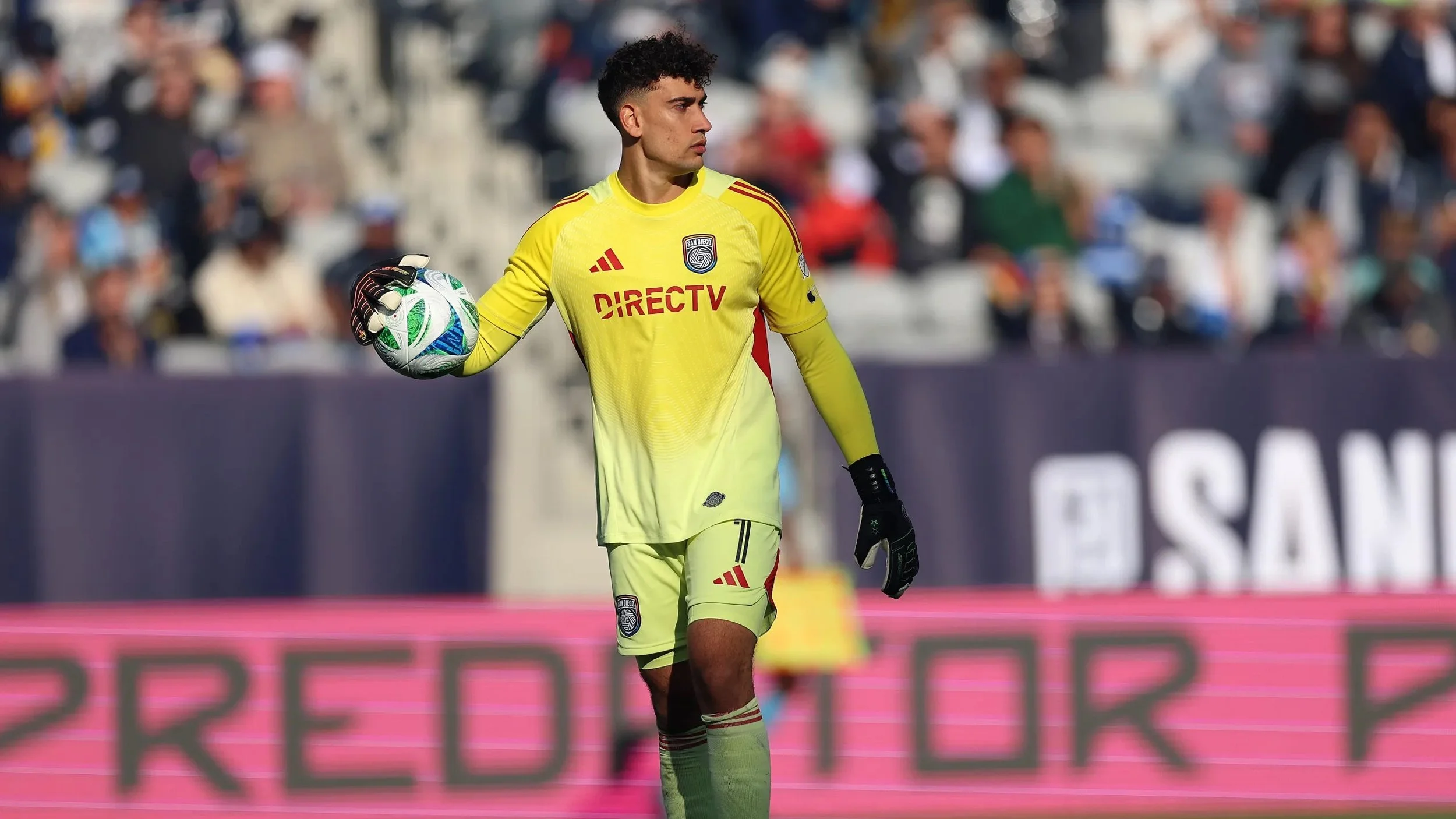
2026 hasn’t gotten off to quite the start that the Benfica product was hoping for. Not only is dos Santos still waiting to fully recover from his fractured cheekbone that he sustained in November of 2025, but his backup is now catching headlines as the next big thing. This stings all the more as dos Santos had finally found his footing after a tumultuous time in Miami and 2026 should have been his big break out year. The clock hasn’t ticked down all the way yet so there’s still plenty of time but it’s a rough start to the season nonetheless.

As for chances with the USMNT, it’ll be interesting to see if dos Santos’ style would match what the national team is looking for. Dos Santos loves playing off his line and wants the ball at his feet but American sides (both MLS and the USMNT) are reluctant to embrace the pitfalls of true liberos. Because of this, we’ve seen a bit of a hybrid come out in dos Santos’ play. It can be tough trying to marry the two styles but some goalkeepers have found success in the past - Dan Kennedy being a standout here - although most suffer from indecision and hesitation with two drastically different styles being smooshed into one. So far, getting out of Miami seems to have rejuvenated dos Santos a good bit, allowing him to play with confidence, but American sides are typically going to err on the side of pragmaticness instead of an artistic philosophy. As to how much confidence dos Santos can play with moving forward with higher and higher stakes, it has yet to be seen.

10. Drake Callender
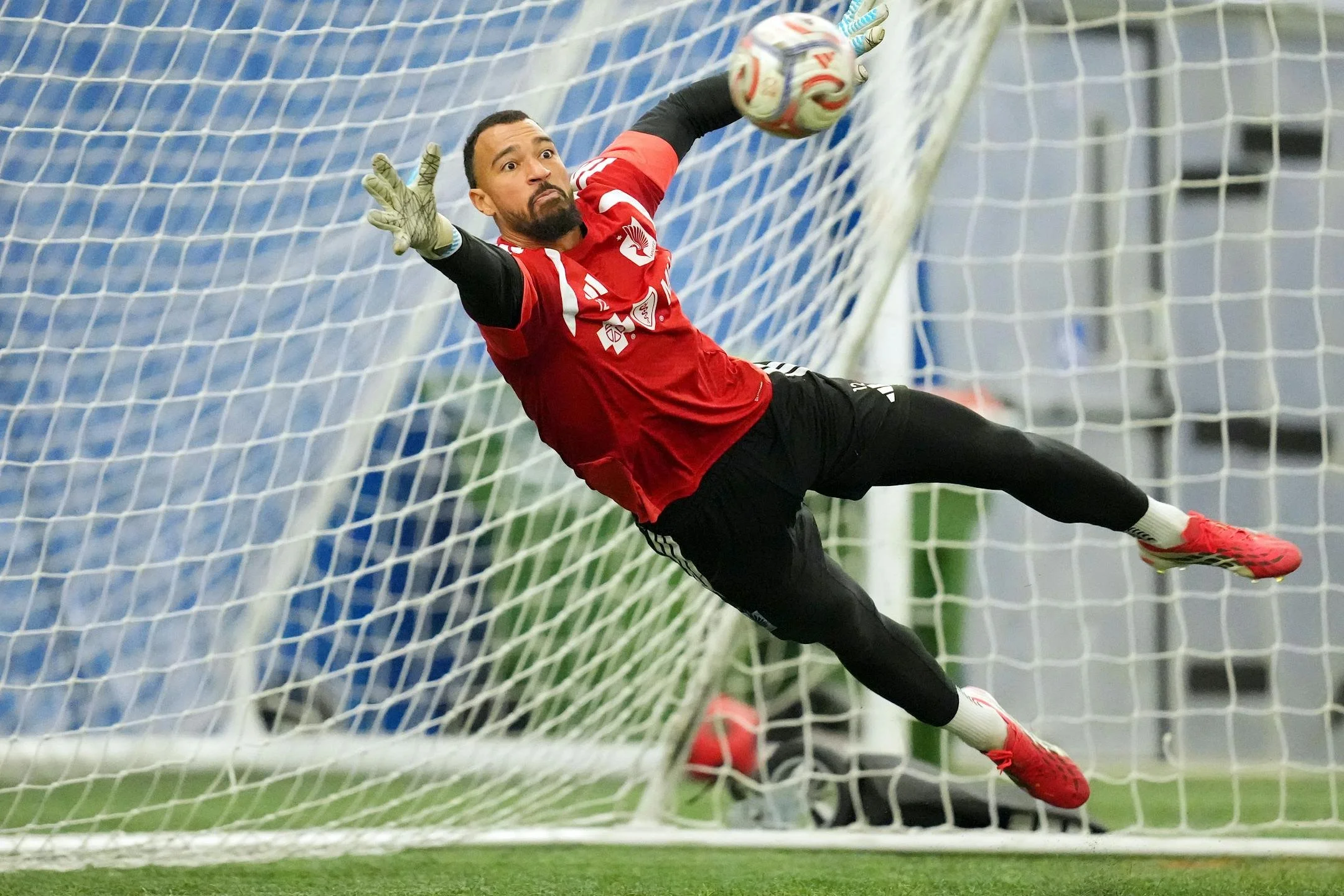
It’s never a good look to bounce from team to team so quickly but greener and snowier pastures seem to be working out for the former Inter Miami starter. With Messi’s arrival in Miami, American starters quickly became a thing of the past and it didn’t take long for Callender to be relocated out of Miami completely. Callender thrives on being allowed to play with his gut and embrace chaos. Harnessing his inner Steve Clark, Callender doesn’t shy away from the gritty plays, but his success in those moments can waver severely. In 2023, Callender was rewarded with a national team call-up, while in the following seasons he looked like someone who might put his gloves on the wrong hands, playing beyond poorly and not shocking fans when he finally was told to pack his things. It’s a high ceiling, low floor situation with Callender but so far 2026 has gotten off to a good start for the California native. Here’s hoping Callender can continue to advocate for himself with strong “do whatever it takes to keep the ball out of the net” play for the rest of the season.

Outside Looking In

11. Gavin Beavers, 20 - Brondby (Denmark.1)
12. Andrew Thomas, 27 - Seattle Sounders
13. JT Marcinkowski, 28 - Los Angeles Galaxy
14. Joe Willis, 37 - Nashville SC
15. Brad Stuver, 34 - Austin FC
16. John McCarthy, 33 - New York Red Bulls
17. Josh Cohen, 33 - Chicago Fire
18. Tyler Miller, 33 - Charlotte FC
19. Patrick Schulte, 25 - Columbus Crew
20. John Pulskamp, 24 - Sporting Kansas City

Bill says: Gavin Beavers. Beavers is finally starting to see some minutes from Brondby - two starts in February - but the Danish SuperLiga table is incredibly tight at the moment so distributing minutes to a 20 year old isn’t likely high on the manager’s priorities. In his two starts, Beavers displayed a real sense of urgency to not let his chance to shine go by. (For MLS fans, think Tim Melia when he finally got a chance at SKC.) 2026 is likely to still be pretty quiet for the young RSL product but so far he’s checking the right boxes. Brondby’s willingness to give him any minutes at all is encouraging but if there’s one thing to take away from Americans’ past attempts at making it abroad, it’s that one shouldn’t stick around if the club doesn’t want you. Hopefully Brondby will give Beavers a longer and longer leash as time goes on, otherwise he needs to get out of dodge quick and find a side that will.

Best of the Rest

21. Stefan Cleveland, 31 - Sporting Kansas City
22. Brian Schwake, 24 - Nashville SC
23. Earl Edwards, 34 - San Jose Earthquakes
24. Luis Barraza, 29 - Inter Miami
25. Antonio Carrera, 22 - Tigres UANL (Mexico.1)
26. Stefan Frei, 39 - Seattle Sounders
27. Pablo Sisniega, 30 - San Diego FC
28. Evan Louro, 30 - FC Cincinnati
29. Julian Eyestone, 19 - Brentford B (England.1)
30. Diego Kochen, 20 - Barcelona (Spain.1)

31. Danny Vitiello, 30 - Sacramento Republic
32. Bill Hamid, 35 - Free Agent
33. Logan Ketterer, 32 - Lexington SC
34. Mike Lansing, 31 - Kristiansund (Norway.1)
35. Alex Bono, 31 - DC United
36. George Marks, 26 - Philadelphia Union
37. Sean Johnson, 36 - DC United
38. Kendall McIntosh, 32 - Oakland Roots
39. Mason Stajduhar, 28 - Real Salt Lake
40. David Bingham, 36 - Free Agent

41. Vicente Reyes, 22 - Norwich (England.2)
42. William Yarbrough, 37 - Toronto FC
43. Sean Lewis, 33 - Tormenta FC
44. Eric Dick, 31 - Indy Eleven
45. Edward Delgado, 28 - FC Naples
46. Jimmy Maurer, 37 - Houston Dynamo
47. Hunter Sulte, 23 - Portland Timbers
48. Jeff Gal, 32 - Chicago Fire
49. Rashid Nuhu, 30 - Union Omaha
50. Luke Dennison, 29 - Drogheda United (Ireland.1)

51. Danny Rogers, 32 - St. Patrick's Athletic (Ireland.1)
52. Nicolas Hansen, 24 - Colorado Rapids
53. Colin Shutler, 27 - Colorado Springs Switchbacks
54. Paul Walters, 21 - FC Cincinnati
55. Jordan Farr, 31 - DC United
56. Antony Siaha, 27 - Hartford Athletic
57. Luis Zamudio, 27 - Charleston Battery
58. Carlos Saldaña, 29 - Detroit City
59. Rocco Rios Novo, 23 - Inter Miami
60. Michael Collodi, 24 - FC Dallas

61. Andrew Rick, 20 - Philadelphia Union
62. Jake McGuire, 31 - Sporting JAX
63. Adam Beaudry, 19 - Colorado Rapids
64. Jacob Jackson, 25 - Free Agent
65. Carlos Merancio, 27 - Spokane Velocity
66. Ethan Bandre, 27 - Loudon United
67. Johan Penaranda, 26 - Lexington SC
68. Seth Torman, 27 - Greenville Triumph
69. Duran Ferree, 19 - San Diego FC
70. Adrian Zendejas, 30 - Vancouver Whitecaps

71. George Tasouris, 30 - Charlotte Independence
72. Abraham Romero, 28 - El Paso Locomotive
73. Alec Smir, 26 - Minnesota United FC
74. Chituru Odunze, 23 - Charlotte FC
75. Max Weinstein, 21 - New England Revolution II
76. Alex Borto, 22 - Fulham U21s (England.1R)
77. Andrew Pannenberg, 27 - Carolina Core
78. Brady Scott, 26 - Los Angeles Galaxy
79. Hunter Morse, 27 - Hearts of Pine
80. Jacob Castro, 26 - Rhode Island FC

81. Jared Mazzola, 27 - Las Vegas Lights FC
82. John Berner, 35 - Charleston Battery
83. Richard Sanchez, 31 - San Antonio FC
84. Carlos Herrera, 28 - Detroit City
85. James Sneddon, 20 - Richmond Kickers
86. Trey Muse, 26 - Portland Timbers
87. Benjamin Machini, 29 - Hapoel Haifa (Israel.1)
88. Jonathan Burke, 28 - Knoxville
89. Benny Diaz, 27 - FC Juarez (Mexico.1)
90. Michael Stone, 27 - Akademisk BK (Denmark.3)

91. Sebastian Mora-Mora, 27 - El Paso Locomotive
92. Ryan Troutman, 25 - Louisville City FC
93. Santiago Perez, 21 - Monterrey U21 (Mexico.1Y)
94. Brooks Thompson, 23 - Lexington SC %
95. William Popp, 31 - Shonan Bellmare (Belgium.2) #
96. Aidan Stokes, 18 - New York Red Bulls
97. Kris Shakes, 24 - New Mexico United
98. Derrek Chan, 27 - New York Cosmos
99. Cabral Carter, 21 - LAFC
100. Nicholas Holliday, 20 - Charlotte FC
Why Messi is the American Secret Weapon for 2026 World Cup Glory

When Lionel Messi stepped off that plane in Miami, I'll admit—I had mixed feelings. The greatest player of all time choosing MLS for his twilight years? Was this a retirement tour or something more? But as an absolute diehard USMNT supporter counting down the days until we host the 2026 World Cup, I've come to realize something incredible: Messi isn't just good for MLS. He might be the best thing that's ever happened to American soccer, and our boys in red, white, and blue are the ultimate beneficiaries.

The Messi Effect: More Than Just Goals and Highlights

Let's talk numbers for a second. Since Messi arrived at Inter Miami, MLS viewership has absolutely exploded. We're talking record-breaking TV ratings, sold-out stadiums from coast to coast, and a level of international attention that American soccer has been desperately chasing for decades. When the world's best player chooses your league, suddenly everyone's watching. And when everyone's watching, the money follows.

This isn't just about one team or one superstar—it's about transforming the entire ecosystem of American soccer. The increased revenue from broadcasting deals, sponsorships, and ticket sales is flowing into every MLS franchise. That means better training facilities, improved youth academies, and most importantly, the financial muscle to attract genuine world-class talent who can elevate our domestic players every single day in training.

Building a Pipeline: How Better Competition Creates Better Americans

Here's where it gets really exciting for us USMNT fans. When MLS can recruit top-tier international players, our American guys aren't just competing against them—they're learning from them. Think about young American talents like Diego Luna, Cade Cowell, and Benjamin Cremaschi training alongside and against players who've competed at the absolute highest level. That's invaluable experience you simply cannot replicate in a classroom or through video analysis.

The presence of elite talent raises everyone's game. Our domestic players are forced to adapt, to think faster, to execute with more precision. It's like having a world-class training camp running 365 days a year across the entire league. As MLS continues to invest in talent thanks to the Messi-driven boom, that competitive environment only intensifies, creating a virtuous cycle of development.

The Investment Tsunami: Money Talks, Champions Walk

Let's be real—professional sports run on investment, and Messi has opened the floodgates. Major brands that previously overlooked MLS are now scrambling for partnerships. Apple's massive streaming deal has transformed how fans engage with the league globally. Stadiums are being renovated and expanded. Most crucially for 2026, youth development programs are receiving unprecedented funding.

This matters because the pathway from youth academy to professional contract to national team call-up is becoming smoother and more accessible than ever before. When clubs can invest properly in scouting and development, talented kids from every corner of America get discovered and nurtured. We're not just relying on the traditional soccer hotbeds anymore—we're building a truly national talent pool. And as fans look toward future competitions, many are exploring opportunities for sport betting to engage even more deeply with the beautiful game.

The Credibility Factor: MLS as a Legitimate Destination

Perhaps Messi's most underrated contribution is legitimacy. For years, European-based players viewed MLS as a retirement league or a stepping stone at best. But when an eight-time Ballon d'Or winner in his prime competitive years chooses MLS, that narrative shatters. Suddenly, talented South American and European players in their mid-twenties see MLS as a viable career move, not a career end.

This credibility shift is already bearing fruit. We're seeing younger, hungrier international signings who want to compete for titles and championships, not just collect paychecks. That competitive intensity transforms MLS from a comfortable landing spot into a genuinely challenging league—exactly the kind of environment that forges championship-caliber national team players.

2026: Perfect Timing for Perfect Glory

Here's what gets me absolutely pumped: the timing couldn't be more perfect. The 2026 World Cup isn't just any tournament—it's happening right here in our backyard during America's 250th birthday celebration. Can you imagine a more iconic moment than the USMNT lifting the trophy on home soil during our Semiquincentennial?

Thanks to the Messi effect accelerating MLS development, our 2026 squad will be the most prepared, most experienced, and most talented group we've ever fielded. Players like Christian Pulisic, Weston McKennie, and Tyler Adams will be hitting their absolute prime, backed by a new generation of MLS-developed stars who've been training in an elite environment. The foundation Messi helped build will manifest in real World Cup success.

The beautiful game has given America an incredible gift in Lionel Messi, and smart money says we'll repay that gift with our best-ever World Cup performance when it matters most—in front of our home fans, in our home stadiums, at the most significant moment in American history since 1976. Let's make 2026 unforgettable.

Can Italy Miss the World Cup for a Third Consecutive Time?

The last time Italy played in a World Cup, they won it. That was 2006. They attended 2010 and 2014, accomplishing nothing of note in either, and then failed to show up to the next 2 altogether.

A 4-time world champion was reduced to watching from home while nations with a fraction of their football history competed. It happened in 2018. It happened again in 2022. And now, with the 2026 tournament approaching, Italy finds itself in the playoffs for a third straight qualifying cycle, staring at the same trapdoor that swallowed them twice before. The situation is familiar in a way that should unsettle anyone wearing an Azzurri shirt.

How Italy Ended Up Here Again

Italy finished second in Group I of UEFA’s qualifying round, behind Norway. They collected 18 points across the group, winning 6 matches but losing twice to Norway. That second-place finish meant they could not book a direct ticket to the 2026 World Cup in the United States, Canada, and Mexico. Instead, they were funneled into the playoff bracket, a place that has brought them nothing but misery in recent years.

In 2017, Sweden knocked Italy out over 2 legs in the playoff round, and the Azzurri missed the 2018 World Cup in Russia. It was the first time since 1958 that Italy had failed to qualify. Then, in March 2022, North Macedonia beat them 1-0 in the playoff semi-finals. A single goal from a country with a population smaller than Rome kept the reigning European champions out of Qatar. The defeats were different in character but identical in outcome.

The Playoff Draw and What It Means

Italy will host Northern Ireland on March 26 in a single-legged semi-final at Bergamo. There is no return leg, no aggregate scoreline to fall back on. One match, one result. If Italy wins, they travel away to face the winner of Wales versus Bosnia and Herzegovina on March 31 in the playoff final.

The single-leg format is worth paying attention to. It compresses the margin for error into 90 minutes. North Macedonia proved in 2022 that anything can happen in that kind of setup. Italy was at home that night too, and it did not save them.

Gattuso’s Preparations and Squad Building

Gennaro Gattuso took over the national team with this playoff as his first real test. Reports indicate he has been traveling to meet with key players ahead of the March window. He and Gianluigi Buffon, now serving in a team ambassador or advisory role, reportedly sat down with Marco Verratti to discuss a potential return to the squad.

Gattuso has also visited Gianluigi Donnarumma and Sandro Tonali in England, as well as Mateo Retegui in Saudi Arabia.

These meetings suggest that Gattuso is treating the playoffs with the urgency they deserve. The squad he selects will tell us a lot about his priorities, specifically how much he values veteran presence against Northern Ireland versus younger legs who might carry the team through both rounds if they advance.

Where the Betting Lines Sit for Italy’s Playoff Path

Sportsbooks have priced Italy as heavy favorites to beat Northern Ireland, with ESPN listing them at -320 on the moneyline. DraftKings and BetMGM both offer outright World Cup odds of +3000 and +3300 on Italy to win the tournament, placing them well behind favorites like France, Argentina, and England. Those numbers tell you bookmakers expect Italy to qualify, but see them as long shots beyond that.

Playoff Path A odds sit at 1.53 for Italy to advance through both rounds. Wales and Bosnia and Herzegovina remain as possible final opponents if Italy gets past Bergamo.

What Happens If They Get Through

Should Italy qualify, they land in Group B at the 2026 World Cup alongside Canada, Qatar, and Switzerland. On paper, that group looks manageable for a team of Italy’s pedigree, though pedigree has proven to be an unreliable predictor in their case lately.

The +3000 and +3300 odds to win the tournament outright show where the market thinks Italy sits among the contenders. They are not considered serious threats to win the whole thing. Getting there would be the first real achievement for this generation.

Why Northern Ireland Should Not Be Underestimated

Northern Ireland earned their playoff spot through the Nations League after finishing third in Group A behind Germany and Slovakia. Their squad is made up almost entirely of lower-division English league players, with Conor Bradley at Liverpool being the notable exception. On paper, they have no business being in this conversation. But Michael O’Neill has called this group young and fearless, and that description should sound familiar.

The history between these two teams adds an uncomfortable footnote. Northern Ireland beat Italy 2-1 in Belfast in January 1958 and knocked them out of that year’s World Cup. Their most recent meeting was a 0-0 draw in Belfast in November 2021, a result that helped push Italy into the very playoff round where North Macedonia eliminated them.

Northern Ireland has not qualified for a World Cup since 1986, and they have nothing to lose. Italy, on the other hand, has everything to lose, and recent history says that imbalance tends to work against it.

The Real Question

Can Italy miss the World Cup for a third straight time? Yes. The probability is low according to betting markets, but the probability was low the last 2 times as well. Italy were the favorites against Sweden in 2017. They were heavy favorites against North Macedonia in 2022. Favorites lose in football. It happens with enough regularity that the word “favorite” comes with an asterisk in knockout rounds.

Northern Ireland is a significant underdog at +900. They are not expected to win. But expectation and outcome have parted ways for Italy before, and the Azzurri know better than anyone that qualification is earned on the pitch, not on a betting slip. March 26 in Bergamo will answer the question one way or the other.

America's 100 Greatest Goalkeepers (81-90)

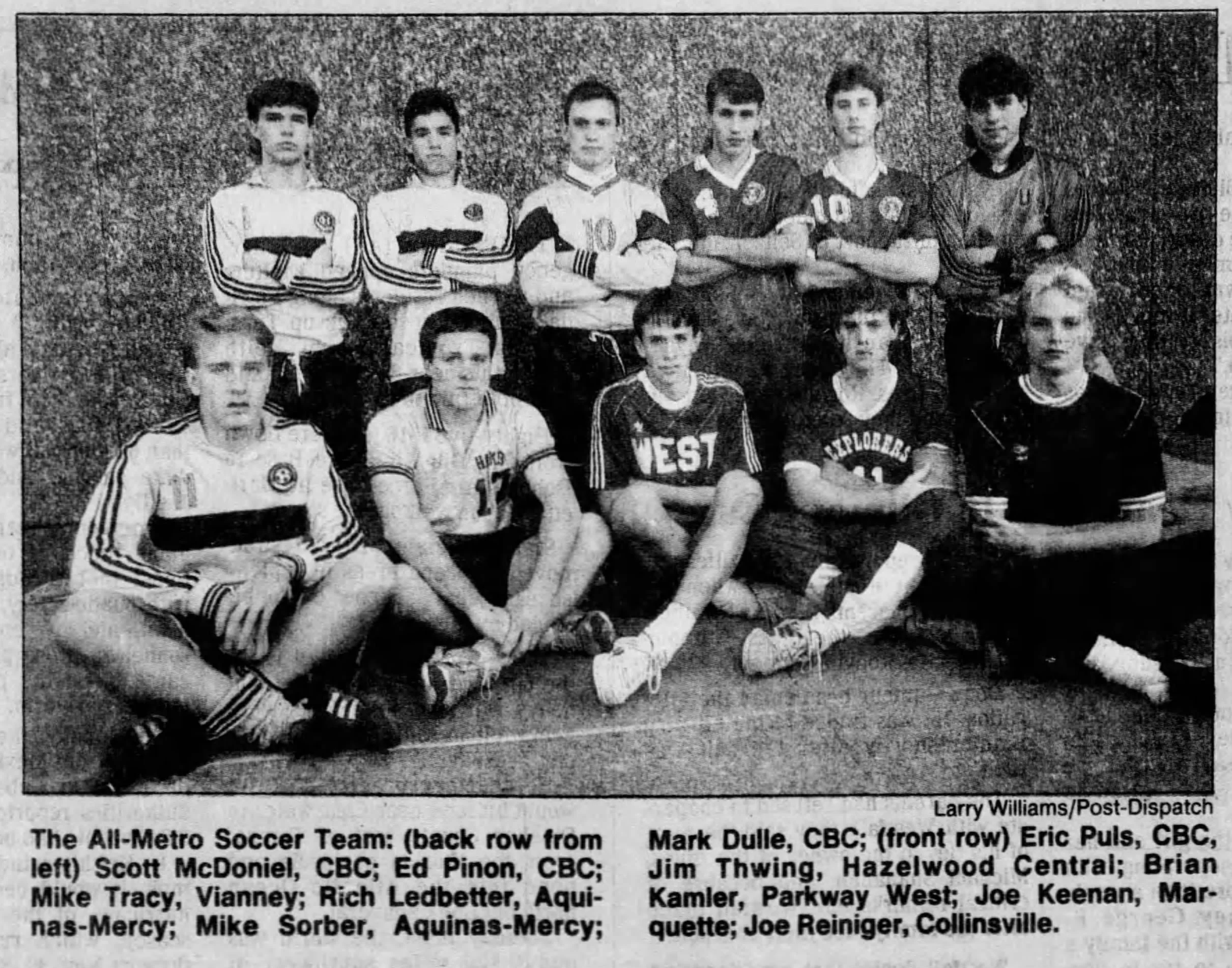
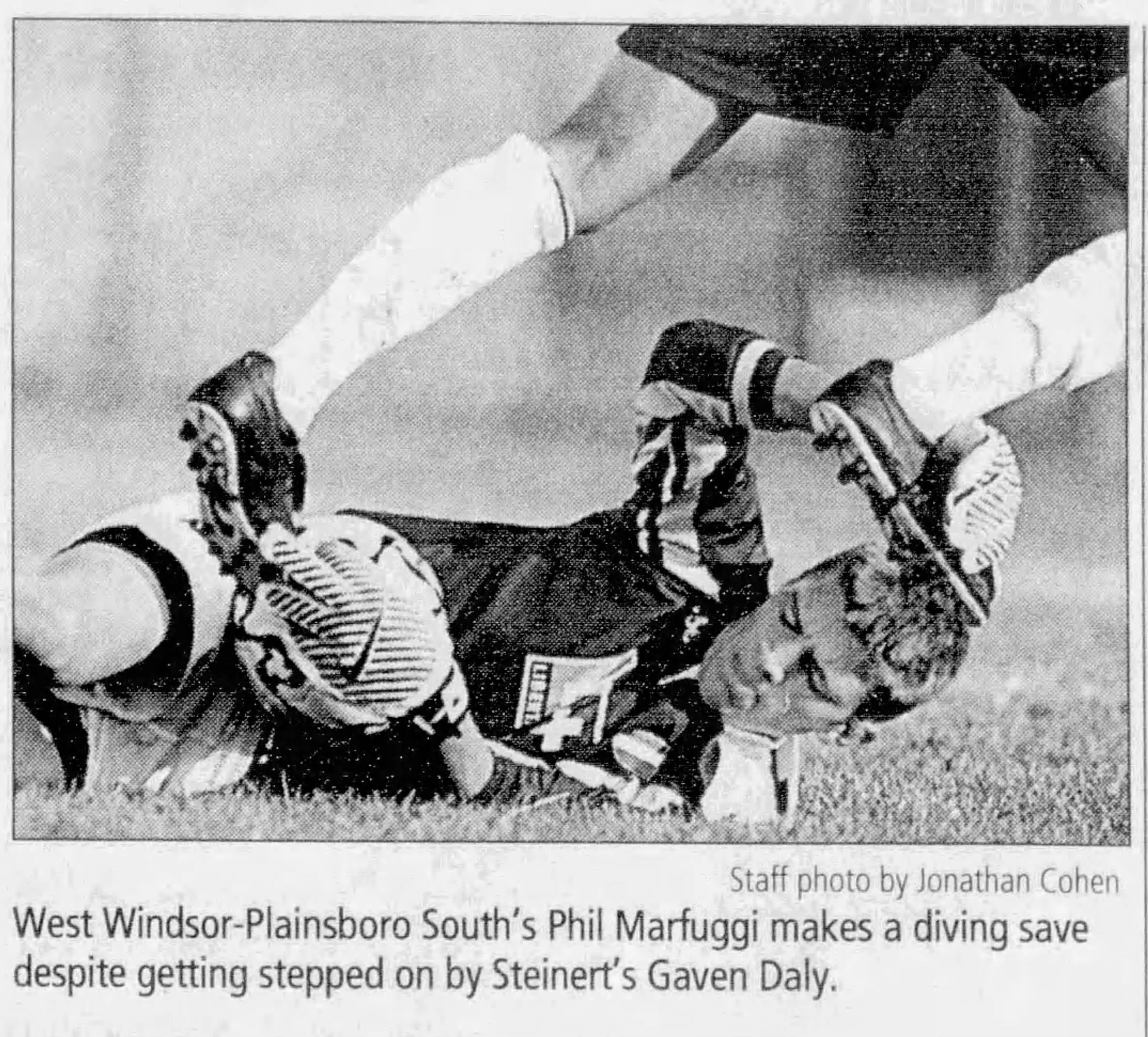
These goalkeepers are part of a bigger project, which you can find here. Pictures of the goalkeepers were posted when available. Newspaper clippings’ date and newspaper are found in the file name. Click on the photo galleries to enlarge the picture to read more about the goalkeeper.

81. Tom Presthus

The drive from Minnesota to Texas isn’t a short one but it was one Tom Presthus made to kickstart his collegiate career at Southern Methodist University. Hailing from Edina, Minnesota, Presthus quickly established himself as a standout goalkeeper with the Mustangs. In Presthus’ junior year, SMU received a two-seed entering the national tournament before losing out to eventual winners, Wisconsin, in the Elite Eight. But heading into the 1997 MLS draft, Presthus had put himself on national radars and was selected by DC United with the 20th pick.

The Minnesotan quickly gathered his footing in DC, starting seven games his rookie season and becoming the hero of the penalty shootout against New England in the quarterfinal playoff matchup. The following season, head coach Bruce Arena made a late-season switch to put Tom Presthus in goal over Scott Garlick, and the call paid off with the young goalkeeper leading the team to the final. Although the final was a 2-0 loss to the Chicago Fire, refs would later admit they missed a crucial offside call on one of the goals, casting a large “what if” over the final score.

Looking to avenge a sour final, Presthus and DC United came back strong in 1999. Riding high, Presthus notched his lone cap with the national team in February before starting a dominant run in MLS play that year, winning the Supporters’ Shield and capturing a 2-0 win over the Galaxy in the MLS Cup final.

Unfortunately, the good times did not last long in DC as the team failed to make the playoffs the following year and the franchise immediately entered a rebuild mode. Presthus was traded to Columbus before the 2001 season, where Presthus would face a young upstart goalkeeper named Jon Busch. In 2002, Presthus lost the starting spot to Busch and “rather than sulking, Presthus supported and mentored Busch, who backstopped Columbus to the 2002 Lamar Hunt U.S. Open Cup championship that year.” After the 2003 season, Presthus would retire due to a lingering elbow injury.

From 1998 to 2001, Presthus played in two MLS Cup finals, was capped by the national team, won two MLS Supporters’ Shields, was named an MLS All-Star, and was a finalist for MLS’s Goalkeeper of the Year award twice. Unfortunately, stacking injuries and limited professional opportunities forced the 28-year-old’s hand to call it quits heading into the 2004 season. For newer MLS fans, Tom Presthus’ career is often overlooked but the SMU alum is a great example of a goalkeeper who was a top goalkeeping prospect before injuries derailed his momentum, denying fans a chance to see Presthus’ true ceiling.


82. Ian Feuer

Before skipping college to go play in Europe wasn’t much of a conversation in 1988 but Feuer did just that. Standing at an imposing 6'7", Feuer left the States at 16 to join Club Brugge. While Feuer was a reserve in the Belgian league, the Las Vegas native was called up to the 1992 Olympic team as a backup to Brad Friedel and earned a cap with the senior national team in the same year. As limited opportunities stunted his time overseas, Feuer returned to the US in 1993 to earn Rookie of the Year honors for the Los Angeles Salsa in MLS precursor, the APSL.

Feuer used this success to bounce back across the pond, this time with West Ham United and then a loan-turned-permanent move to Luton Town, following Juergen Sommer’s time with the club. After years of finally grinding in the trenches, Feuer was given the reins at Luton Town in 1995, a second-tier English club, only to have a front row seat to the Hatters relegation in 1996. In spite of Luton Town’s offensive woes (scoring less than one goal a game on average), Feuer was hailed as the player of the season and retained his starting spot for the 1996-97 season, where the team would narrowly miss promotion, finishing third in the table.

Feuer’s 90-game starting streak with Luton Town was broken in the 1997-98 season when inconsistent play and a muscle tear in his shoulder ultimately led to his return to the US. However, Feuer’s persistent efforts to make it in England would be rewarded with his first start in the English Premier League coming with West Ham in April of 2000, before retiring in 2002.

Feuer isn’t just remembered for his imposing height, which granted the ability to display jaw-dropping saves, but his continued efforts helped garner confidence in English managers and owners to bring in more American goalkeepers after Feuer proved Americans could handle England’s physical and unforgiving game.


83. Don Malinowski

Off the heels of a strong showing at the 1950 World Cup, the federation did very little to capitalize on the national team's success. Just two years later, the US would suffer an embarrassing 8-0 loss at the 1952 Olympics against Italy, which would be a sign of more to come. The national team wouldn’t crack the world’s top fifty until the mid 1980’s, leaving goalkeepers like Don “Pug” Malinowski left with little to build off of. Although Don “Pug” Malinowski was named a backup to the 1952 Olympic squad, it was stateside where he shined brightest. Malinowski and the Harmville Hurricanes won the National Challenge Cup in 1952 and 1956, as Malinowski would also take the Hurricanes to the semifinals in ‘53 and ‘57, with a brief effort with Castle Shannon reaching the 1954 semifinal as well. With his team’s success giving him a foundation to showcase his own skills, Malinowski was routinely referred to as one of, if not the best, goalkeeper in the country throughout the 50’s.

In January of 1954, Malinowski joined the national team for their World Cup qualifying, while the US federation had seemingly self-sabotaged their World Cup chances. The federation agreed to play the home-and-home matches exclusively in Mexico, complained about FIFA’s new rules for only allowing fully fledged citizens on the field, scheduled the senior team to arrive just one day before their first match against Mexico, and only organized two international matches in the 3.5 years since the 1950 win over England.

With the USSFA’s secretary JJ Barriskill openly announcing "We seem to have little chance [against Mexico]", the US unsurprisingly dropped the first match against Mexico, 4-0 and effectively were knocked from World Cup contention in just the one game. For the second game, Malinowski started over Frank Borghi and earned much praise for his efforts in the 3-1 loss as the US held a lead going into halftime.

After a 1955 friendly against Iceland, Malinowski was relegated to the alternate goalkeeper for the 1956 Olympic team, which was met with outrage in various outlets, and his time with the national team ended there. Malinowski kept his amateur status his entire career, trying out for the Olympic team one more time in 1960, and was a real hometown hero. Reportedly known for making friends with fans during the game, he was characterized as a good-natured, fun-loving goalkeeper who would do whatever it took to keep the ball out of the net.


84. Walter Romanowicz

After a stint with St. John’s FC of Fall River, Romanowicz joined Ponta Delgada in the mid-1940’s to start a dominant run in national play. Romanowicz and Ponta Delgada reached the National Challenge Cup semifinals three times from 1946 to 1948, winning the prestigious tournament in 1947. Alongside these efforts, Romanowicz retained his amateur status and won the National Amateur Cup three years in a row (1946-48). With Romanowicz and Ponta Delgada winning the rare double in 1947, Romanowicz was propelled to the national team for the two-game 1947 NAFC Championship tournament. Although the US would lose both matches, Romanowicz would continue to be requested back to the national team as far as 1950. Ahead of the iconic 1950 World Cup matchup against England, it was Walter Romanowicz, not Frank Borghi, who was first requested onto the team. Bill Graham wrote for the Brooklyn Eagle in August of 1949, “For the first time in many years there is doubt about the goalie who will cop the place on the team. Walter Romanowicz of Ponta Delgada F.C. of Fall River is the first selection but can’t get away from business. This is the one position that America could formerly challenge the world to produce a better.”

Although a brief tenure with the national team and club soccer as a whole, Romanowicz was a quiet pillar in the post-war era, when American soccer was largely backed by ethnic clubs punching above their weight and players who balanced a playing career without the financial resources that today’s players receive.


85. Dan Kennedy

A four-year starter at UC Santa Barbara, Kennedy’s college career would come to a heartbreaking finish as the Gauchos fell to the Indiana Hoosiers in the 2004 NCAA final. Despite a strong senior season, the Gauchos subbed in penalty specialist Kyle Reynish at the end as Kennedy could only watch from the sidelines. Despite the sour finish, Kennedy showed well enough to be drafted just a month later by Chivas USA in the 2005 MLS SuperDraft, although the California franchise ultimately chose not to sign the new goalkeeper, leading Kennedy to carve his own path elsewhere.

Kennedy’s independence was rewarded as his standout play for the Puerto Rico Islanders led to being named USL’s Rookie of the Year in 2005. He would play for the Islanders for two years before heading south to Chile for a season. Kennedy would eventually make his way back to Chivas USA in 2008, but, once again, a door closed after untimely injuries derailed his return, as well as not being able to fulfill a national team call-up in the winter of 2008-09. Regardless, Kennedy continued pushing forward and in 2012, Kennedy finished third for the MLS Goalkeeper of the Year award. Seven years after each MLS franchise passed on him in the SuperDraft, Kennedy’s resilience proved the doubters wrong as he had now established himself as one of the best not only in MLS, but for all American goalkeepers.

Kennedy wowed fans with his quick reactions, backed by his Hispanic-influenced goalkeeping style. His hyper-mobile approach, as opposed to an English rigid set position, allowed him to bet on his ability through aggressive, front-footed defensive actions. Kennedy’s career isn’t littered with many team awards - as even his best season in 2012 was on the worst team in MLS - yet his determination to not let a closed door define him is an encouraging story for every goalkeeper who’s ever been overlooked before.

86. Charley LaBarge

Over the course of the 1920’s and 30’s, LaBarge quickly made a name for himself inside St. Louis’ soccer circles as a promising young goalkeeper. LaBarge joined Vesper Buick ahead of the 1924 National Challenge Cup and elevated himself into a star player before the club even arrived at the final. Despite the 4-2 loss in the final, Indiana Flooring manager Ernest Viberg said that LaBarge and Dave Barnett’s goalkeeping talent “surpassed anything we have seen in the American Soccer League.”

LaBarge would continually shine in the National Challenge Cup, returning to finals three more times, in 1929, 1932, and 1933, the last two with Stix, Baer, and Fuller. Unfortunately, LaBarge’s career was marred by injuries and much speculation arose on whether he had any talent later in his career. In 1932, Herman Wecke wrote that “At the start of the season, LaBarge was supposed to be ‘all washed up’. But apparently he has taken a new lease on life,” praising the goalkeeper for outstanding recent performances and decision-making in goal.

The road to capturing the Cup in 1933 was no easy task for LaBarge. Less than a week before the final, LaBarge was released from the club for “the welfare of the club” over financial disputes but was oddly reinstated just days later. LaBarge was tight-lipped about the specifics of the affair and set his sights on finally capturing the elusive trophy. The first of the two-legged was a shutout by LaBarge but the St. Louis goalkeeper received a concussion from a blow to the head, leaving his status for the second match in question. LaBarge was ultimately cleared to play by doctors, conceding only one goal in the second leg against the strong ASL representative, the New York Americans, and finally winning the National Challenge Cup.

Alongside David Barnett and Charles McGarry, LaBarge was inducted as one of the first goalkeepers into St. Louis’ prestigious Soccer Hall of Fame in 1971.


87. Joe Willis

Joe Willis’ career can largely be summed up as him banging on the door until someone opened it or the door fell off its hinges. Willis earned a call-up to the U20s in October of 2006 but ultimately lost out to Chris Seitz and Brian Perk being named to the World Cup squad. Willis, not one to take no for an answer, continued his successful, yet quiet, college career. In the 2011 draft, DC United acquired Willis as a backup for Bill Hamid and despite Willis’ clear role established by DC, he would still find moments to shine. In 2012, Willis rode a seven-game unbeaten streak while Hamid was with the U23s and would save a crucial penalty in the quarterfinals during the playoffs when Hamid went off with a red card.

After a trade sent Willis south to Houston, he once again had a difficult battle for the number one spot with Tyler Deric. Willis and Deric would repeatedly trade off time, although Willis would get his chances in the 2017 playoffs and the 2018 Open Cup, the latter of which he picked up his second US Open Cup trophy, this time starting in the Cup final.

After the back and forth with Houston, a trade with Nashville finally gave Willis a chance to showcase his talents. In 2021, Willis finished third in Goalkeeper of the Year voting, proving the long wait was worth it for the Denver Pioneer alum. The no-nonsense and drama-free goalkeeper enters the 2026 season ranked 7th all-time in MLS starts for a goalkeeper and has yet to let go of his starting position in his 16th year as a pro.

88. Theodore Bondi

Theodore “Ted” Bondi was the perennial multi-sport athlete. In addition to being on the basketball, baseball, and swimming teams at Brockport, Ted Bondi was a standout goalkeeper. Despite Brockport’s limited success on the national level, Bondi was named an All-American goalkeeper each year, the only goalkeeper to ever accomplish this.

After graduating Brockport and earning his master’s in education at UNC, Bondi joined the Air Force and eventually returned to his hometown of Genoso, NY, where he would begin playing soccer again, as well as coaching soccer, basketball, football, baseball, lacrosse, and swimming in the area.

Despite domestic soccer being at a very low point in the 1950s, Bondi’s untouched collegiate accomplishment and loyalty to his hometown highlight him as both the common man and an outstanding goalkeeper for his time. Bondi passed away in 2010 after being named in multiple Hall of Fames in the northeast and now has a memorial scholarship named after him.

Whereas goalkeepers like Brad Friedel and Tony Meola managed to dominate the college level at a time when there was no professional structure, Bondi’s accomplishments were a level above even those national team stalwarts when it comes to recognition at the collegiate level, putting the everyday sportsman into a tier of his own.

89. Bob Denton

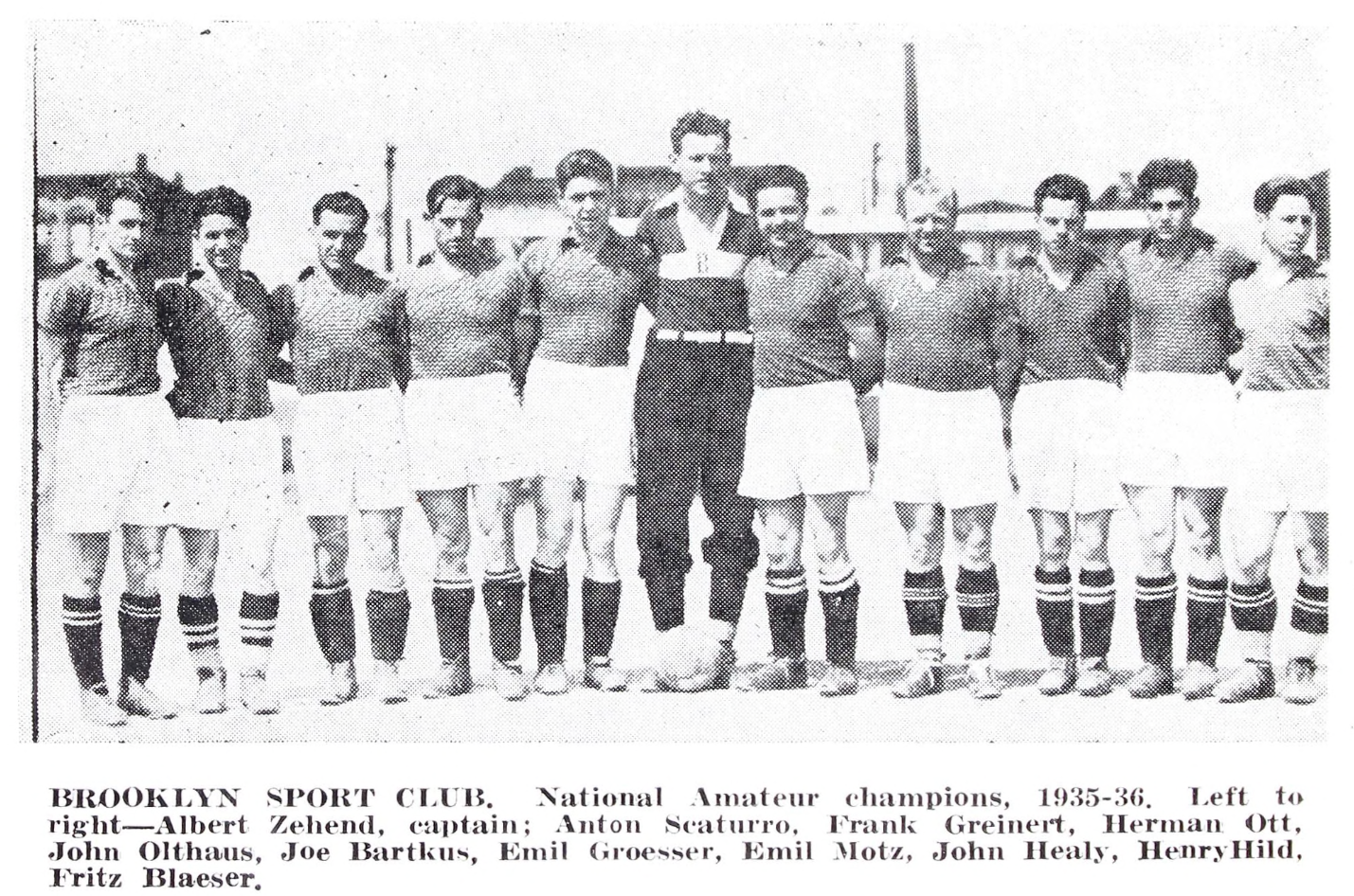
After stints with Disston (1929-30) and Lighthouse (1931), Denton would make substantial waves for himself in 1933 after a quarterfinal finish in the National Challenge Cup with the Philadelphia German-Americans, as well as capturing the first of two back-to-back trophies in the National Amateur Cup (‘33 and ‘34). Denton would add to his trophy case with an ASL Championship in 1935 and winning the 1936 National Challenge Cup. The success with the German-Americans made Denton a mainstay in the conversation for top goalkeepers in the country during the 1930’s, whether amateur or professional.

For the 1936 Olympics, Denton earned an invitation into the 17-person squad. Although Denton didn’t feature in the Olympics - starter Frank Bartkus was lauded as being the second best goalkeeper at the entire tournament after conceding only one goal to eventual champions, Italy - Denton continued his strong run in ASL play through the back part of the 30’s. A nearly career man with the Philadelphia German-Americans, Denton is one of Pennsylvania’s top goalkeepers of all time.

90. Dragan Radovich

Throughout college soccer’s entire existence, there have been many standout goalkeepers, including Randy Phillips, Skip Gilbert, Peter Mannos, Peter Arnautoff, and Ed Gettemeier. Although all these goalkeepers were standouts for a time, Radovich matched their efforts and then some. A 1978 graduate of St. Francis College, Radovich was a three-time first-team All-American goalkeeper and a first-round draft pick for the NASL’s Washington Diplomats. Radovich reached the playoffs in his rookie season but was later signed by the Timbers in 1982, before the team - and then soon after the league - both ceased operations. Radovich finished with 48 appearances in the NASL during his limited time, 11th all-time for American goalkeepers.

Despite the NASL closing its doors, Radovich’s passion for the game would not be subdued, playing wherever he could for as long as he could. In 1986, Radovich was featured in the NY Mundalito (a "Long Island version of the World Cup") while in 1989, Radovich was featured in the Northeastern Super Soccer League All-Stars squad, facing off against Zalgiris Vilnius of the Soviet Union's First Division. But Radovich’s career was not without its bumps in the road. In 1989, Radovich and the Greek-Americans made it to the US Open Cup final only to fall in extra time. The following year was even more heartbreaking for Radovich, now with the Brooklyn Italians, as a soft goal by the Croatian-American ended up leading to a 2-1 loss in the final. However, in 1991, Radovich’s third trip to the final would appropriately cap off a long and winding career with a 1-0 win over the Richardson Rockets. “We kept our cool,” Radovich would say after the game.

Radovich would later go on to tackle other great feats of strength, but his career can be summed up as a goalkeeper who did everything to continue playing, regardless of each setback and hurdle placed in front of him.

Main Page
Goalkeepers 1-10
Goalkeepers 11-20
Goalkeepers 21-30
Goalkeepers 31-40
Goalkeepers 41-50
Goalkeepers 51-60
Goalkeepers 61-70
Goalkeepers 71-80
Goalkeepers 81-90
Goalkeeper 91-100
Honorable Mentions