How the 2026 World Cup Could Grow Soccer in the USA

Ask almost anyone around the world about sports, and chances are you’ll hear about soccer. In the U.S., though, soccer has always been somewhere behind football, basketball, and baseball. But things are shifting. With the 2026 FIFA World Cup set to take place across the U.S., Canada, and Mexico, there’s a buzz in the air. This isn’t just another tournament—it’s a rare shot for soccer to become a much bigger deal in the States. Let’s explore what this could mean for fans, players, and the future of American sports culture.

Rising Popularity of Soccer in the U.S.

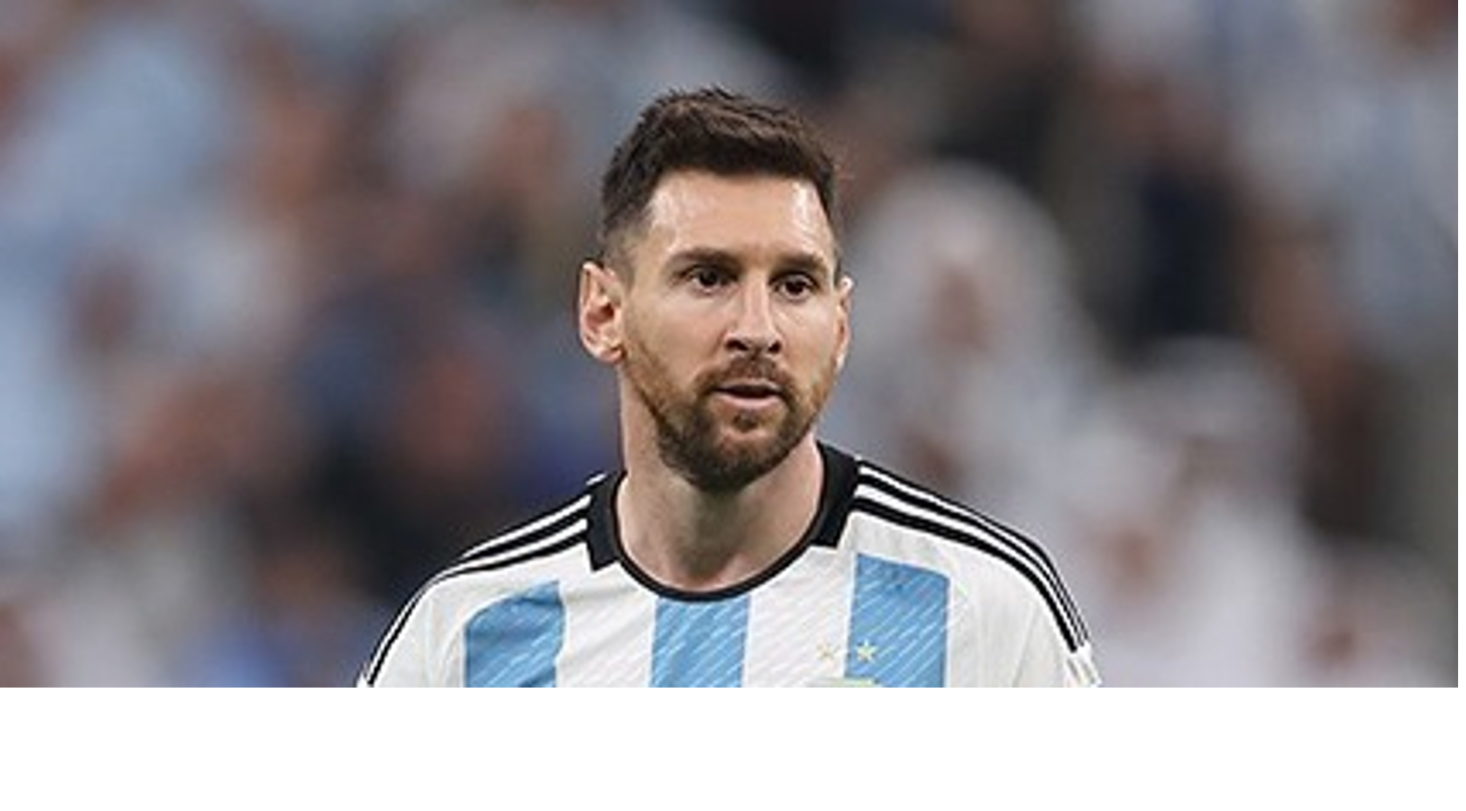
Over the past two decades, soccer has quietly worked its way into the American mainstream. Major League Soccer (MLS) has grown to 29 teams, and fans are backing new clubs with real passion. On neighborhood fields and school playgrounds, the number of kids lacing up their cleats is higher than ever. International superstars—think Lionel Messi or Cristiano Ronaldo—are household names now, and American players are carving out their own places in Europe’s top leagues, too.

Turn on the TV during a big match, and you’ll notice—ratings are climbing, and stadiums are packed with fans from every background. America’s melting pot means there are passionate supporters from all over the globe, each bringing their own soccer traditions. Social media and streaming platforms make it simple to catch games, highlights, and soccer news from anywhere. Another sign of growing interest is how fans are engaging more with match predictions, statistics, and free soccer picks by Vegas Odds. What used to be a niche interest is now clearly edging its way into the national sports conversation.

Impact of Hosting the World Cup

Hosting the 2026 World Cup isn’t just about bringing the world’s best soccer teams to American soil—it’s about sparking a movement. Stadiums from coast to coast will be buzzing as millions of Americans, from lifelong supporters to first-time viewers, catch World Cup fever. The excitement will ripple through communities, inspiring new fans and giving kids heroes to look up to. And it’s not just about the matches. Cities will see more tourists, local businesses will get a boost, and investments in stadiums and transportation could leave a positive mark for years. Schools and community centers are likely to jump in with their own soccer events and programs, making it easier than ever for anyone to get involved. The real win? If all goes well, soccer’s popularity in the U.S. could skyrocket, creating a legacy that will shape the sport for generations.

Growth of Youth Academies and MLS

A big part of soccer’s rise in America is what’s happening with young players. All over the country, soccer academies are growing fast—teaching skills, building teamwork, and helping kids fall in love with the game. With more eyes on soccer, these programs are getting more resources, better coaching, and bigger dreams. It’s not just about kicking a ball; it’s about shaping a new generation of athletes who see soccer as their future.

Major League Soccer’s story is a big part of this change. The league isn’t just adding teams—it’s bringing in international stars, building lively stadiums, and creating rivalries that get fans fired up. More MLS clubs are starting their own youth academies, so talented players can go from neighborhood pickup games to pro soccer without ever leaving home. That’s a game-changer for the sport’s future here.

As soccer’s profile grows, so do the opportunities—scholarships, college teams, and pro contracts are becoming more common. That means more young athletes are choosing soccer, raising the competition and pushing the level of play higher every year.

Growing Interest in Soccer Betting in the U.S.

Another sign that soccer is taking off in the U.S. is the growing buzz around betting on matches. With the World Cup on the horizon, even more fans are searching for free soccer picks. It’s not just about winning money—it’s about being part of the action and making every goal or save feel even more thrilling. This new layer of excitement is changing the way many Americans experience the game.

Looking Ahead: Soccer’s Next Era in the USA

The 2026 World Cup isn’t just a sporting event—it’s a turning point. The energy building around soccer is hard to ignore, and it’s set to draw in new fans, spark more investment, and prove that soccer belongs at the heart of American sports. With youth academies growing, MLS thriving, and fans connecting in new ways, the stage is set for soccer to move from the sidelines to the spotlight. The real story will be what comes next, as a new era of the sport gets underway in the United States.
Why the 2026 World Cup Will Reach More Fans Than Ever

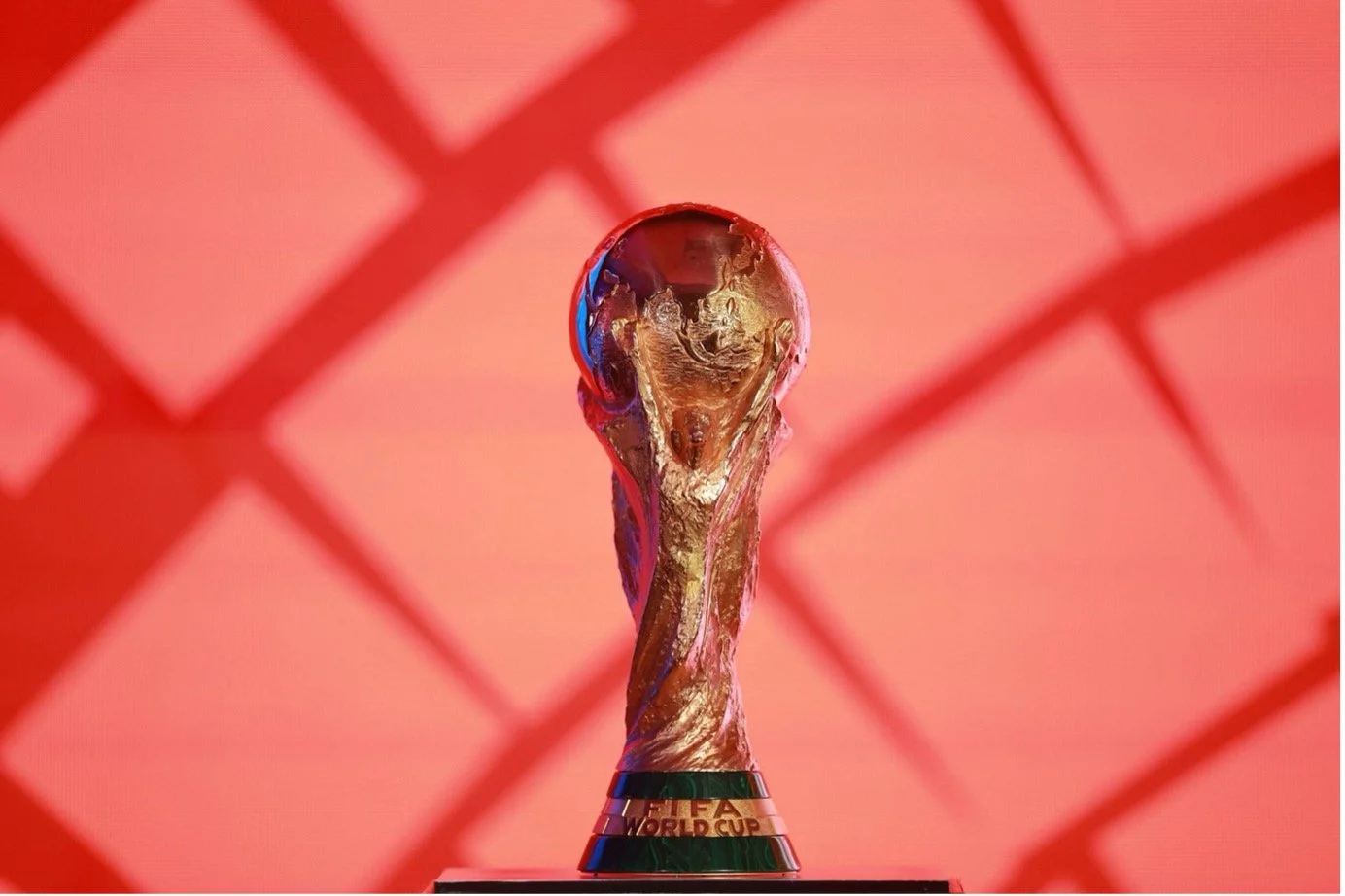
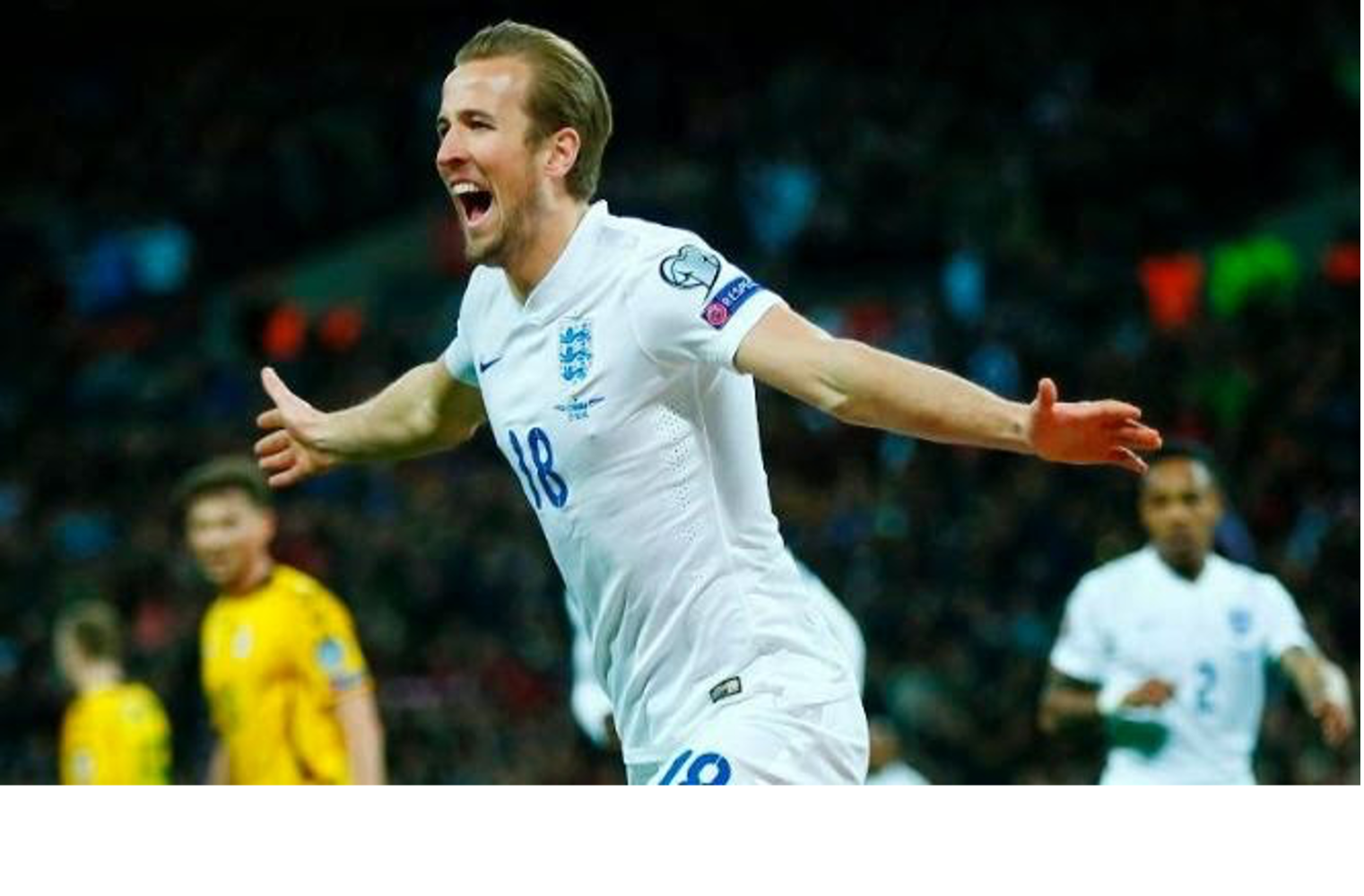
If you think the World Cup has always been huge, just wait for 2026. This tournament is set to be the most accessible and widely shared event in soccer history. With the USA, Canada, and Mexico hosting together, more teams competing, and technology making it easier to watch, everyone can join in. Whether you’re a longtime soccer enthusiast or merely curious about the excitement, here’s why you won’t want to miss the 2026 World Cup.

Three Host Countries, One Huge Celebration

For the first time, the World Cup will be held in three countries: the United States, Canada, and Mexico. This means fans from New York to LA, Toronto to Mexico City, can watch the action live. With most games in the USA, American fans have a rare chance to see top soccer stars close to home. No passport or long flight needed—just grab your jersey and get ready for world-class soccer nearby.


With the tournament happening across three countries, there will be a festival atmosphere all summer. Look forward to cultural celebrations, international food festivals, and public viewing parties in every major city. For many fans, the World Cup is more than just the matches. It’s about sharing the experience, feeling connected, and even making new friends from around the world.

48 Teams: More Nations, More Stories

Another big change is that the 2026 World Cup will have 48 teams instead of 32. This means more countries, more underdogs, and many more stories to follow. Fans will see teams from all over the world, each displaying their own style and traditions. For longtime fans, it’s a dream with more games and more excitement. For newcomers, it’s a great way to discover international soccer.


With more teams, even more communities across North America will feel connected to the tournament. From local watch parties to international fan gatherings, you’ll see flags, face paint, and team colors everywhere. Schools, bars, parks, and offices will all be buzzing as people pick their favorites and share the ups and downs of World Cup excitement together.

Digital Streaming, Global Access, and Social Media Hype

There was a time when you had to wake up at 3 a.m. or search for a poor-quality stream just to watch a World Cup match. That’s changed. Now, with digital streaming, you can watch every game live or on-demand, whether you’re at home, at work, or on the go. In the USA, networks like FOX Sports and Telemundo (for Spanish-language coverage) will show matches, and streaming services like Peacock will bring full coverage to your device.


But it’s not only about watching matches. Social media will make the World Cup experience even bigger. From viral TikToks and Instagram stories to live reactions on X (formerly Twitter) and Facebook, fans will share every big moment as it happens. Players and teams will connect directly with supporters, giving you a behind-the-scenes look at life on and off the field. Hashtags will trend, memes will spread, and you’ll always be in the loop, even if you miss a match. For American fans, this means you can join the global conversation, celebrate wins, and share in the losses, all from your phone.


Highlights, replays, and social media updates will be everywhere, so you’ll never miss a moment, a meme, or a goal. For American fans, it’s easier than ever to follow the action, no matter your schedule or location. All you need is a screen and an internet connection, and the World Cup is right there with you.

Engagement Beyond the Games: Fantasy Leagues and Betting

With so many ways to watch, it’s no surprise that fans are finding new ways to get involved. Fantasy leagues let you pick your own squad of World Cup stars and compete against friends for bragging rights, and maybe even a prize or two. For some, it’s all about the strategy: who to pick, who to bench, and who might surprise everyone by scoring a wonder goal.


With legal sports betting growing in the USA, you can explore top FIFA World Cup betting sites to add more excitement to each match. Whether you’re predicting winners, tracking stats, or just having fun with friends, it’s easier than ever to join in, even if you’ve never placed a bet or tried fantasy sports before. These platforms deliver everything from simple picks to detailed stats and live odds, making it easy for anyone to get involved.

Conclusion

The 2026 World Cup is set to be a celebration like no other, especially for fans in the USA. With games in our own cities, more teams, and every match just a click away, there’s never been a better time to get into soccer. Whether you’re a longtime supporter or merely curious about the excitement, this tournament will offer something for everyone. From public watch parties and viral social media moments to fantasy games and friendly bets, every fan can join in.


Mark your calendar, gather your friends, and get ready for remarkable moments as the world comes together in North America. You won’t want to miss it!

America's 100 Greatest Goalkeepers (71-80)

These goalkeepers are part of a bigger project, which you can find here. Pictures of the goalkeepers were posted when available. Newspaper clippings’ date and newspaper are found in the file name. Click on the photo galleries to enlarge the picture to read more about the goalkeeper.


71. Gil Schuerholz

In the mid-20th century, playing goalkeeper past 40 years old was relatively unheard of, yet Schuerholz continued to step in goal simply from his love of playing. Originally breaking onto the scene in Baltimore, starring for Baltimore SC and the Baltimore Americans, Schuerholz would cap off his career in stellar fashion by heading north to start for the powerhouse Philadelphia Nationals.

As far as accomplished goalkeepers in the 20th century go, Gil Schuerholz’s trophy cabinet was as full as anyone else’s. A maintay in the National Challenge Cup scene, Schuerholz and Baltimore were named co-Champions in 1940, as well as a strong three-year run where he reached the finals (1949) and semifinals (1950, 1951) in consecutive years. Schuerholz was a clear standout in the American Soccer League, especially through the 1940s. Schuerholz first won the league with the Baltimore Americans in 1946, before winning back-to-back-to-back seasons with the Philadelphia Nationals (1949-1951). Schuerholz added three Lewis Cups to his resume as well (1947, 1949, and 1951).

Schuerholz’s resume earned him an honorable mention when the 1954 class for the US Soccer Hall of Fame was named. Although Schuerholz never earned a cap with the national team, his name surfaced around selection committees even when he was nearing 40 in 1950. Relatives of Schuerholz cited his inclusion in the 1936 Olympic squad but despite the games being hosted in the America, the 1936 Olympics unfortunately didn’t feature soccer, although Schuerholz undoubtedly would be considered if there were any talks of a roster to assemble. The unsung hero of 1940’s American soccer was always a strong addition to any side he suited up for.

72. Adrianna Franch

Long-time ODP Goalkeeper Coach, Douglas Cardosi, still speaks about the first time he saw Adrianna Franch at a Midwest ODP regional camp. “Minnesota is playing Kansas. Minnesota is getting chance after chance but this little goalkeeper would not give up a goal. She ran straight sideways batting and swatting and kicking the balls out of the goal. Doing everything absolutely ‘wrong’ but… she’s not letting any shots in. She’s absolutely stifling them. The next day, she’s invited into the pool game. A couple years later, I’m looking at the depth chart for the US national team and there’s Adrianna Franch.”

Citing her immense athleticism and shot-stopping abilities, Carodsi wasn’t surprised to see doors open for the young Kansas native, despite the lack of training in her local area. After high school, Franch traveled south to join Oklahoma State, where she notched 38 shutouts in her four years (more than doubling all but one goalkeeper in the school’s history). Franch made a name for herself on the national scene, where a 2009 matchup against USC saw OSU play upset in a penalty shootout. Franch followed up with strong 2010 and 2011 campaigns that ended in one-goal losses in the Elite Eight to the eventual winners (Notre Dame, Stanford). Although the Cowboys never made a Final Four, Franch elevated the Oklahoma school as their star player earned a MAC Hermann Trophy nomination and USYNT call-up honors.

Franch kept the momentum rolling into her 2013 as she was selected sixth overall by Western New York in the College Draft. The rookie goalkeeper helped the franchise capture the NWSL Shield that season, as well as reaching the final, where they would ultimately fall 2-0 to the Timbers. After a torn ACL caused her to miss the entire 2014 season, it would take until 2017 for her to win back a starting job in the NWSL, this time with the Portland Timbers. But once again the setbacks would not last long for Franch as her side, once again, reached the final, with this time ending in her lifting the trophy. Franch won back-to-back NWSL Goalkeeper of the Year honors in 2017 and 2018 for her highlight reel saves and saw herself get called into camp after camp with the US Women’s National Team. After five seasons, Portland traded Franch to Kansas City, where she would reach the league final yet again in 2022, before eventually heading across the Atlantic to join Birmingham City in the WSL.

All along Franch’s career, she continually defied the odds and setbacks, ultimately earning 10 caps for the USWNT and becoming a two-time NWSL champion by routinely putting her team in a position to win. Regardless of which team she suited up for, she propelled her team forward through her elite shot-stopping abilities. Franch, a classic goalkeeper in many respects, embodied the cornerstone of American goalkeeping: “Whatever it takes, don’t let the ball go into the net.”


73. Katie Fraine

In the history of women’s soccer, there have less than a dozen American goalkeepers who were still playing first division soccer after turning 35 years old and in 2022 Katie Fraine joined that illustrious group. Whereas the establishment of WUSA, WPS, and NWSL marked historic moments in women’s soccer, the sport quietly achieved a level where there were finally enough opportunities for women outside the national team to continue playing at a high level, unlike before where they simply had to retire if they weren’t automatically in the national team pool.

Fraine was a four-year starter at the University of Florida, where she led the Gators to four national tournament appearances, conceding just five goals in ten career matches at the tournament, reaching the Sweet Sixteen twice with Florida.

Although Fraine would get drafted by the Atlanta Beat in 2011, it would ultimately be Europe she would carve out a long career, as NWSL coaches were obstinate in valuing players playing in Europe. Despite the difficulty in getting a chance stateside, Fraine continued being an integral part to every club she played for. For example, in the 2021 season in the Damallsvenskan, Sweden’s premier league, she led Växjö to a top-half finish in the table after the club finished dead last in goals scored.

From 2014-2017, Europe saw the best of Katie Fraine. In the 2014-15 Champions League, Fraine and Linkoping topped Liverpool (led by American goalkeeper Libby Stout) and reached the quarterfinal, joining Tim Howard as the only other American goalkeeper to accomplish the feat. In the Fall of 2017, Fraine (now with Avaldsnes of Norway) won their group stage before facing off against juggernaut Barcelona FC in the knockout round. Fraine capped off 2017 by capturing the Norwegian Cup with Avaldsnes after conceding only three goals in the five cup matches, including a shutout in the final.

Fraine eventually returned to the US after her stints in Sweden, Norway, and Scotland came to an end, signing with the Kansas City Current in 2024. Although she never suited up for an NWSL side, Fraine is a great example of a goalkeeper who pursued clubs that wanted to utilize her, never shying away from a challenge of needing to be the weekly hero to give her team a chance to win. For every team Fraine ever stepped foot on the field for, Fraine knew that if she didn’t play well, her team would likely not have much chance of winning that day. Fraine thrived on the added responsibility and continued displaying a high passion for the game for decades, eventually retiring at 38 years old with 253 appearances for first division clubs, ranking second all-time for female American goalkeepers.

74. David Brcic

David Brcic with the 1985 USA Olympic Team

In the lead-up to the first ever youth World Cup in 1977, David Brcic was trusted as the number one goalkeeper for the U19s at the 1976 CONCACAF qualifying cycle. St. Louis head coach Harry Keough praised Brcic, later in 1985, for returning the investment US soccer placed into him at such a young age. "He was getting more help at his age than any kid in the nation. I think he is one of the best goalies we have in the country."

The US ultimately fell short to Honduras in the semifinals, narrowly missing qualification but Brcic played well in the tournament to catch the eyes of professional scouts. To satisfy a loophole to sign with an NASL side, Brcic dropped out of classes to sign with the New York Cosmos at the end of 1977. Despite a common event nowadays, there were those in the college ranks who complained about the Cosmos stepping over an unspoken line. Brcic, in contrast, cited the poor collegiate conditions preventing his road to becoming a professional, “For me, there was not enough chance to develop. We practiced in Forest Park, where we didn’t even have goalposts for the first two months. I’ve travelled internationally and trained internationally and I know what it takes to be a pro.”

Brcic stayed with the New York Cosmos from his signing at the end of 1977 until the league's folding in 1984, earning just 21 starts over the seven seasons as he sat behind experienced goalkeepers like Yasin Özdenak and Hubert Birkenmeier. But despite the lack of consistent minutes, national teams still valued Brcic’s abilities, even after the NASL folded. At the 1984 Olympics, the US performed admirably with Brcic in goal, shutting out Costa Rica 3-0 and then conceding just one goal each to heavily-favored Egypt (1-1) and Italy (0-1), ultimately failing to reach the knockout round. Brcic was called in again in 1985 for the 1986 World Cup qualifying, starting in a 2-1 win over Trinidad and Tobago.

Although there were brief attempts to revitalize outdoor soccer, Brcic’s focus after 1984 was largely centered on the exploding indoor game. Brcic and the Cosmos reached the NASL indoor final in 1984 and was named All-MISL in 1987 while playing for the bottom-of-the-table Pittsburgh Spirit.

Brcic’s time in the outdoor game was limited, playing less than 50 official matches in his entire career across all competitions. However, his decade with US national teams - from the U19s to the Olympics to the senior team - is a testament to his importance to US soccer during his era.

75. Mandy McGlynn

Before Mandy McGlynn (née Haught) littered Virginia Tech’s record book in every goalkeeping category, McGlynn was working on her craft in Jacksonville, Florida with aspiring goalkeeper coaches like Chris Barocas. “When she was young, she was always very coordinated,” Chris explained. “She could make any save she needed to make, even at U13. She had an unbelievable, athletic, coordinated base. She was one of the fastest learners that I’ve had at that age. She was goofy and outgoing, which I think you need for a goalkeeper. She’s got those leadership qualities that you want in a goalkeeper.” McGlynn was a sponge in her early years, developing good habits that provide a strong foundation to overcome later setbacks. “For some reason, Florida ODP didn’t take her, they cut her. But US Soccer, three years later, said she was good enough to be a national team goalkeeper.”

With McGlynn's success with the USYNTs, Virginia Tech landed the future All-American goalkeeper and worked their way back to the National Tournament. In 2018, McGlynn shut out both Texas and Arkansas on the road, upsetting both teams in 1-0 wins before falling to UNC in the Sweet Sixteen. Although Virginia Tech wouldn’t reach the final four during her time in Blacksburg, McGlynn would be rewarded for positive play with a 2019 All-American award, as well as being the 20th overall selection in the 2020 NWSL College Draft. McGlynn would unfortunately be largely relegated to the bench over the two years, seeing just one league start with Gotham FC (now rebranded from Sky Blue). McGlynn sought time overseas with Piteå IF, helping the Swedish club lock down one of the best defenses in the league for the 2022 season.

McGlynn returned to Gotham FC to show she was championship material, helping the New Jersey franchise capture their first trophy since 2009 before they promptly traded her to Utah. The change in scenery didn’t stop McGlynn from showcasing her strengths as a front-footed goalkeeper who’s as comfortable with the ball at her feet as she is with it in her hands. The standout play, despite Utah finishing near the bottom of the table, led to her receiving an NWSL Goalkeeper of the Year award nomination in 2024 as a top goalkeeper in the league.

With five caps already to her name, McGlynn is looking to help evolve the USWNT goalkeeper position into something more than just a shot-stopper. McGlynn abandons line-sitter mentalities and demands more involvement in the game through offensive and defensive tactical responsibilities, even though the added risk can turn into extra criticism. Over the next few years, look for McGlynn to display her strengths as a “goalplayer” more than a goalkeeper.

76. Valerie Henderson

Knowing Valerie Henderson’s background, it wasn’t much of a surprise to see her find so much success at the collegiate ranks. The two-time NSCAA/adidas Youth All-American and USYNT product is one of two goalkeepers to reach the Final Four as the starting goalkeeper in each of their four years (Cristina Roque, Florida State 2023). Henderson averaged 19 wins a season and still ranks second all-time in minutes played by an NCAA D1 goalkeeper and likely would have captured first, had it not been for her stint with the U20s. In 2006, at the start of her junior year, Henderson joined the national team for the U20 World Cup, where the team would have a disappointing fourth-place finish despite Henderson conceding zero goals in both knockout round losses, losing in penalties to China and then Brazil in the semifinal and consolation match.

Henderson tore through UCLA’s record books, with her 79 wins still ranking first for the school, and likely in the top five for all of NCAA D1 play. But despite having an All-American in net, UCLA came up short all four years and hold the bittersweet distinction of being one of the most dominant teams to never win a championship.

However the sour ending to her collegiate career did not stop Henderson from finding success at the next level. In the gap year waiting for the WPS to start, Henderson joined the USL-W Pali Blues to steamroll the competition with a perfect 14-0 season, conceding only 5 goals across regular and postseason play. The standout play led to her getting drafted in the 2009 WPS draft, two spots ahead of USWNT goalkeeping legend Bri Scurry.

Over the next three years, Henderson trained alongside national team goalkeepers Karina LeBlanc and Nicole Barnhart, both of whom were in their prime years. Despite this, Henderson still managed to get herself on the field and showcase why she could compete with the league’s top goalkeepers. Although Henderson would only make one start with the Los Angeles Sol, a trade to Philadelphia opened a door for her to win the starting spot and help her side reach the 2010 WPS Championship, falling short to FC Gold Pride in the final. In 2011, with the WPS in its final season, Henderson had an eight-game unbeaten streak while Barnhart was at the 2011 World Cup with the US. Although Barnhart would regain the starting position upon her return to Philadelphia, it was Henderson who had more shutouts and a lower goals against average by the end of the season.

Henderson’s final years featured scattered, brief stints as she was unable to find a solidified spot. Henderson spent time with Swedish premier league club KIF Örebro, then signed with the Atlanta Beat immediately prior to the WPS folding entirely. Henderson went west to join WPSL side Bay Area Breeze before a final preseason run with the newly minted NWSL franchise, Western New York Flash. Although Henderson’s career was cut short due to a lack of a stable domestic league, Henderson still climbed the highest of heights in an era when the women's game was still finding its footing in the U.S.

77. Joe Silovsky

There are few goalkeepers who were as accomplished in the club scene throughout the 20th century as Joe Silovsky. Over the 1930s and 1940s, Chicago ranked as a top soccer hotbed, led by nationally recognized clubs such as Chicago Sparta. A product of Sparta’s reserve side, Silovsky broke onto the scene in his first year with the senior squad by winning the National Challenge Cup in 1938, marking the first Cup win for Chicago in 25 years. Over the next decade, Sparta and Silovsky navigated a turbulent time in American history as World War II disrupted several local leagues in the country.

Historian David Litterer writes, “The war years hit Chicago hard, and many players went off to serve the country, leaving the leagues decimated… Before the war, there was some sentiment towards establishing a fully professional league for the Midwest, but that was sidetracked after Pearl Harbor. But the idea would return once the war was over…After World War II ended, the NSL was fortified by a flood of players returning from military service, and by 1947, was probably the largest amateur league in the country, boasting 42 senior, 12 junior and 5 youth teams within its divisions, covering a radius of approx. 55 miles, with teams in Illinois, Indiana and Wisconsin.”

Over the decade, Sparta would be a formidable force in any competition they could find. Whether that was the one-off invite in the St. Louis Soccer League in 1939 - where they topped the out-of-state league - or within prestigious cups like Illinois’ Peel Cup or the National Challenge Cup play. Sparta captured the National Challenge Cup a second time in 1940, reached the quarterfinals six times in ten years, and captured the Peel Cup four times (1939, 1946, 1947, 1948). Heading into 1950, it was understood that Chicago, and Silovsky specifically, were a clear standout on the national scene.

Silovsky’s success with Sparta would ultimately lead to the greatest “what if” in American goalkeeping history. In 1948, Silvosky was named as an alternate for the 1948 Olympic squad, where National Challenge Cup foe Archie Strimmel would ultimately be named the starter in the lone 9-0 loss to Italy. But Silovsky’s domestic success led him to be on the bench for the World Cup qualifier in Mexico in September 1949. From numerous articles, Silovsky was set to be confirmed for the 1950 squad as late as March 1950, just three months before the tournament. But by April, Silovsky had been replaced by Gino Gardassanich for reasons unknown. In 1976, the entire World Cup squad was inducted into the US Soccer Hall of Fame for their win over England in the 1950 World Cup. However, it was Silovsky, not Borghi nor Gardassanich, who was listed as an honorary runner-up to the 1952 Hall of Fame soccer class due to his exploits on American soil, despite never earning an official cap for the national team.

Although Silovsky’s legacy faded in time and the Hall of Fame never elevated the Chicagoan into the Hall with his peers, Silovsky was still a standout goalkeeper for over a decade. From capturing the National Challenge Cup in his rookie season to narrowly missing the US Soccer Hall of Fame, Silovsky’s entire story embraces the challenges of his era - unstable domestic leagues, limited opportunity, and the weight of an international war - and conquers them through personal success, detrimentation, and an air of mystery over “what could have been”.

78. Shelley Finger

Shelley Finger, featured with the 1994 UNC Women’s Soccer team, sits on the back row, third from right

When people talk about UNC’s dominant run, their superlatives are typically focused on the attacking players while disregarding the goalkeepers, including four-time national champion Shelley Finger. But Shelley Finger’s persistence elevated her to becoming of the top goalkeepers of her era.

After capturing a state championship and All-State honors with Duncanville High School in 1990, Finger earned national attention her first year at UNC by being named second-team All-American. Although voters would typically diminish the accomplishments of UNC goalkeepers over the years - despite the goalkeepers’ continued success at the next level - Finger would have daily battles for the number one spot inside Anson Dorrance’s “competitive cauldron” by competing against future USWNT goalkeeper Tracy Noonan. Although Finger didn’t win as many awards as she should have, she was quietly developing into one of the nation’s top goalkeepers through UNC’s practices. The high training level led to Finger earning multiple call-ups with the U19s and leading Finger’s senior class at UNC with an unheard of 97-1-1 record over four years, with Finger’s personal .43 goals against average providing a much needed cornerstone in capturing the four national championships.

Most players graduating from college in the ‘90s faced immediate retirement if the national team didn’t work out for them, but even as a child, Finger wanted to play professional soccer. This determination led Finger to Germany, where she played for Wacker München (1994-95) and then TSV Fortuna Sachsenross (1995-96). However, serious investment was largely reserved for the top teams in the Bundesliga. So Finger, disappointed in the league’s lack of professionalism, returned to the US, where she would continue earning call-ups into the national team and playing wherever she could, including Texas A&M’s men’s club team and the USWISL summer league. In the USWISL’s second season, Finger joined the Dallas Lightning and immediately planted the team as a top contender. Along the way, she would earn high praise, such as from Rockford coach Frank Mateus, “That save (by Finger) was the best I've ever seen.”

Finger and the Dallas Lightning reached the USASA Women's Open Cup finals three years in a row (1996-98) but it wouldn’t be until the start of WUSA that Finger would have a shot at finally earning a professional contract. An untimely injury sidelined her for the 2001 season but Finger’s persistence was rewarded in 2002, where the WUSA draft saw Finger - now seven years out of college - not only get picked up by the San Diego Spirit, but also get selected ahead of recently graduated UNC goalkeeper Kristin DePlatchett.

Although her stint in WUSA didn’t amount to time on the field as the league was already trying to roll back spending in just their second year, Finger made the most of an era with limited opportunity. At each level, she was a standout on the field for any team she played with, capturing multiple championships across several leagues and tournaments. Finger eventually retired from goalkeeping at the age of 50, as she continued pursuing her passion for being the last line of defense for her teammates through adult leagues and the USASA Veterans Cup national tournaments. Finger’s career should be remembered for continuing to pursue excellence and not letting barriers prevent her from finding individual and team success, no matter the level of infrastructure.

79. Jen Grissinger

The photo is edited using artificial intelligence from an older picture found here. If the original photo with higher resolution becomes available, this photo will be replaced.

Every first-year at Notre Dame is expected to have to face an extended wait to get on the field due but that wasn’t the case for Jen Grissinger (nee Renola). Grissinger not only managed to start her very first game, but continued to hold onto the starting spot for all four years, never missing one game and compiled an astonishing 87-8-3 record with 62 shutouts. But Grissinger wasn’t any ordinary goalkeeper, as her youth featured training with the country’s top goalkeepers like Janine Szpara, Amy Griffin, and Mary Harvey through the ODP programs. Grissinger recounts Szpara’s demand for precise footwork, “She probably, to this day, still has the best footwork of any goalkeeper that ever played the game. She was so big on footwork. I can literally hear her still saying, “It’s your feet that get your hands to the ball.”

Grissinger and Notre Dame had their fair share of tough opponents but their battles with UNC topped the bill. The 1994 National Championship featured a 5-0 drubbing by the Tar Heels in Grissinger’s sophomore year, but that didn’t prevent the Fighting Irish goalkeeper from earning first-team All-American. Notre Dame would play spoiler in the 1995 season, topping UNC 1-0 in the semifinal, with Grissinger being the obvious player of the match. Notre Dame completed the dream season with a 1-0 win over Portland, capping off 396 minutes of shutout postseason play for Grissinger. Notre Dame and UNC would once again meet in the 1996 National Championship, and although Notre Dame pushed the game into double overtime, UNC would come back out on top, despite Grissinger earning yet another first-team All-American award her senior year.

In an era where goalkeeping had little established framework - and often resulted in goalkeepers leaning on hope over thoughtful play - Grissinger utilized her elite-level coaches to perfect her technique and tactical play, rarely costing her team a goal, even under the highest amount of pressure. Holding a spot in the NCAA’s all-time leaders in minutes and goals-against average, Grissinger was understandably named to the NCAA Division I Women's Soccer 25th Anniversary Team in 2006.

Despite the lack of a professional league at the time, Grissinger’s career was another stepping stone in the early pioneers of women’s soccer. Her consistency and clutch performances cemented her status as not only an incredible ironwoman in net, but she also crafted a collegiate career that has been etched into the history of women’s soccer as one of the best four years any goalkeeper has ever had.

80. Matt Freese

When Freese was in the Philadelphia Union’s academy system, the young goalkeeper was showing such signs of promise that Manchester United reached out to sign the Pennsylvania native but Matt Freese turned down the heralded Premier League giant to attend Harvard University. Freese spent two years at Harvard, earning a second-team All-Ivy award in his sophomore season, and despite Freese notching only three wins over the two seasons, Freese signed with MLS side Philadelphia Union to forgo the rest of his college eligibility.

Now a professional, Freese once again got off to a slow start, collecting under 30 starts in his first three seasons. However, 2022 proved to be a sign of more to come as he started gaining traction with Philadelphia’s second team, earning more and more play time. Clearly knocking on the door as an MLS starter, the Union’s commitment to long-time starter Andre Blake led the franchise to deal Freese to NYC for six figures of General Allocation Money at the start of 2023.

Finishing the 2024 season and at 26 years old, Matt Freese’s playing career was limited with just 57 MLS games played but 2025 would prove to be a breakout year. NYC’s new number one followed in Matt Turner’s footsteps as Freese’s xG numbers not only garnered national attention, but he was rewarded with entry into the men’s national team. Although Freese had spells with the U19s and U23s, Freese earned his first camp invite to the senior team at the start of 2025. Continued strong domestic league play led Freese to receive his first cap just one week before the start of the 2025 Gold Cup. With Matt Turner dropping in form, Freese took the number one spot and led the US to a runner-up finish, losing to Mexico in the final.

As the 2026 World Cup looms, all eyes are on Matt Freese as the assumed starter for the prestigious tournament on home soil. The Harvard graduate, who was able to finish his degree through online courses in June of 2022, has many more years ahead of him to surprise expectations and give himself a chance to shine on the field.

Main Page
Goalkeepers 1-10
Goalkeepers 11-20
Goalkeepers 21-30
Goalkeepers 31-40
Goalkeepers 41-50
Goalkeepers 51-60
Goalkeepers 61-70
Goalkeepers 71-80
Goalkeepers 81-90
Goalkeepers 91-100
Honorable Mentions